As the holiday season surrounds us with warmth, family, and gratitude, we want to take a moment to thank you for your steadfast support of Americans for a Stronger Navy.
This year has been a testament to the resilience and dedication of our sailors, their families, and all who work tirelessly to ensure the strength and readiness of our Navy. Your engagement, advocacy, and belief in our mission have made an incredible impact, and we are deeply grateful.
This Christmas, as we celebrate the joys of the season, let us also remember the brave men and women serving at sea and abroad. Their sacrifices ensure the peace and freedoms we hold dear.
From our family at StrongerNavy.org to yours, we wish you a Merry Christmas filled with love, laughter, and hope for the year ahead.
Fair Winds and Following Seas, Bill Cullifer Founder, Americans for a Stronger Navy
NATO Aircraft Carrier to Visit West Pacific France’s Charles de Gaulle Carrier Strike Group is scheduled to visit Japan in early 2025 during its Indo-Pacific deployment, with stops in Okinawa. This reflects NATO’s growing strategic focus on the region.
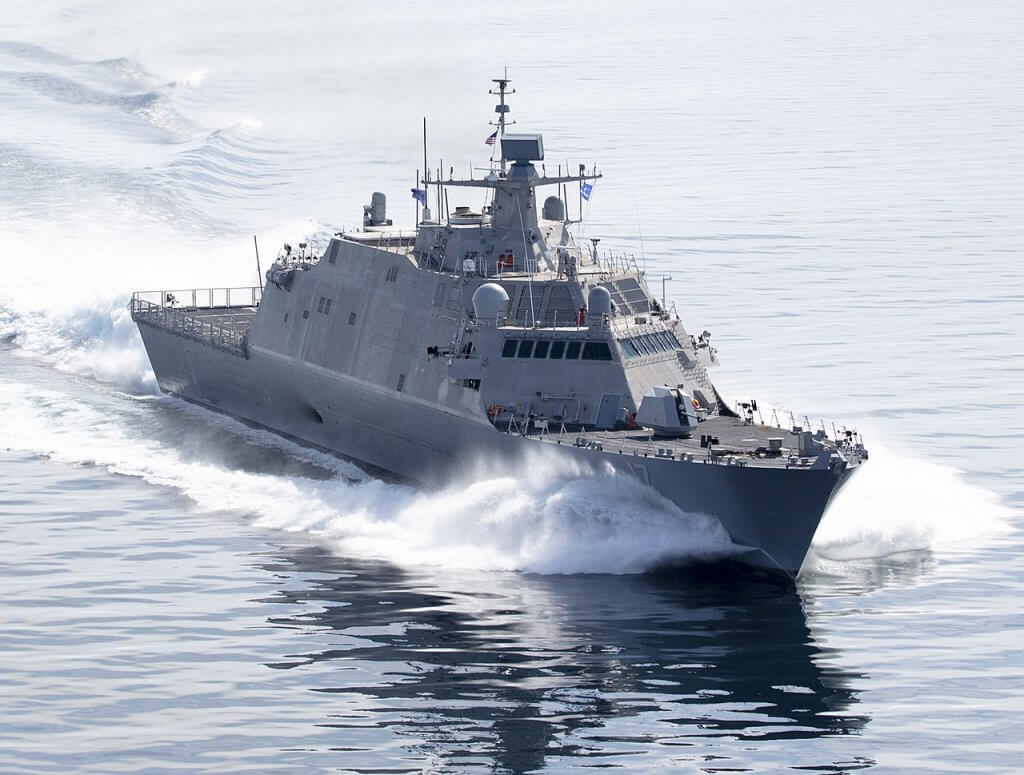
USS Savannah Makes Historic Cambodian Port Call The Littoral Combat Ship USS Savannah docked in Sihanoukville, Cambodia, from December 16–20, marking the first U.S. Navy port call in Cambodia in eight years.
USS Harry S. Truman Enters Middle East Waters The USS Harry S. Truman Carrier Strike Group transited the Suez Canal on December 15, bringing U.S. carrier presence back to the region after a month-long absence.
Strike Fighter Squadron (VFA) 151 Returns for Holidays The “Vigilantes” of Strike Fighter Squadron (VFA) 151 returned to Naval Air Station Lemoore on December 14 after a 5-month deployment in U.S. 7th and 5th Fleet areas.
U.S. Navy Tests Hypersonic Missile A successful test of the Common Hypersonic Glide Body showcased advancements in the Navy and Army’s hypersonic strike capabilities, achieving speeds at extended ranges.
U.S. Navy Awards Textron $106M for Mine Sweeping Technology A new contract for the Mine Sweeping Payload Delivery System aims to expand semi-autonomous mine-clearing operations, ensuring maritime security.
U.S. Navy’s Next-Gen Jammer Completes First Deployment Advanced electronic warfare systems, capable of disrupting enemy air defenses, completed their inaugural deployment with notable success.
New Constellation-Class Frigate Honors Female Naval Pioneer The USS Joy Bright Hancock (FFG 69) will commemorate one of the first female Navy officers and her trailblazing contributions to military gender integration.
U.S. Navy Intercepts Houthi Attacks in Gulf of Aden For the second time this month, destroyers USS Stockdale and USS O’Kane intercepted missiles and drones from Houthi forces in the Gulf of Aden.
Quantum Computing for Naval Applications The Navy explores quantum computing for tasks such as simulating war games, enabling secure communications, and solving maintenance challenges, aiming for transformative operational impacts.
Congress Allocates $5.7 Billion for Virginia-Class Submarines A stopgap funding bill includes significant investments for the Virginia-class program, emphasizing the importance of submarine force expansion.
U.S. Navy to Expand Constellation-Class Frigate Production To mitigate delays, the Navy considers adding a second shipyard to accelerate the production of these versatile surface combatants.
China Watch China Releases ‘Hit List’ Targeting U.S. Navy Systems The PLA published plans to target U.S. Navy carrier groups, including AEGIS vessels and E-2C Hawkeyes, by overwhelming electronic warfare systems.
Pentagon Warns of China’s Growing Naval Power. The People’s Liberation Army Navy (PLAN) of China has significantly expanded its global reach over the past year, moving more frequently and in greater force beyond its regional waters. This growth is attributed to the ongoing development and deployment of advanced warships and logistics support vessels, which enable the PLAN to operate at greater distances from its home waters
Report: Despite Corruption Problems, China Progresses Toward Modernization The Defense Department today released the annual “Military and Security Developments Involving the People’s Republic of China” report, a congressionally mandated annual report that offers insight into the capabilities, strategies and goals of China and its military.
China Conducts Largest Naval Drill in Decades Near Taiwan A massive PLA naval exercise, involving 100 ships, heightened regional tensions as unannounced drills continued close to Taiwan.
Satellite Image Shows Chinese Aircraft Carrier Near Vietnam’s Shores. A satellite image captured on Tuesday reveals a Chinese aircraft carrier operating in the contested South China Sea, close to Vietnam’s coastline.
Russia Watch Russia Disrupts Baltic Communications Russian forces have interfered with mobile and maritime communication in the Baltic Sea, testing NATO’s response and posing risks to shipping and energy supplies.
Russia’s Investment in Underwater Drones Increases Russia and other global powers advance unmanned undersea capabilities, focusing on drones capable of long-range and deep-sea operations.
Iran Watch Iran’s New Drone Corvette Operates Undetected The Shahid Bagheri drone corvette patrolled the Persian Gulf for weeks, showcasing Iran’s increasing maritime stealth capabilities.
U.S. Strikes Houthi Command Hub in Yemen Retaliatory strikes on a Houthi hub responsible for launching attacks in the Gulf of Aden emphasized the Navy’s commitment to regional security.
Upcoming Developments French Carrier Strike Group Deployment to Japan France’s Charles de Gaulle Carrier Strike Group will reinforce Indo-Pacific partnerships in early 2025 with planned stops in Okinawa.
U.S. Navy’s E-130J Aircraft Contract Announced A $3.5 billion contract for the E-130J “Doomsday Plane” will enhance nuclear command and control capabilities.
An F-35C Lightning II from the “Argonauts” Strike Fighter Squadron (VFA) 147 sits on the flight deck on Nimitz-class aircraft carrier USS Carl Vinson (CVN 70).
Now, in Part 3, we turn our attention to the future. The world of aerial combat is rapidly evolving with breakthroughs in drones, artificial intelligence, and hypersonic technology. The question before us: how do these advancements fit into the U.S. Navy’s strategy, and what role should the public play in shaping the future of defense?
Emerging Technologies: What’s Next for Aerial Combat?
The battlefield of the future is being shaped by cutting-edge technologies that promise to redefine the rules of engagement. Here are some key advancements poised to transform aerial combat:
Drones and Uncrewed Systems
Uncrewed aerial vehicles (UAVs) are revolutionizing military operations, offering cost-effective, stealthy solutions for surveillance and strikes.
Programs like the MQ-25 Stingray, designed for refueling and reconnaissance, demonstrate the Navy’s commitment to integrating drones into its operations.
However, drones cannot fully replace manned aircraft like the F-35. While they excel in certain missions, their limited autonomy and susceptibility to electronic warfare highlight the need for complementary systems.
Artificial Intelligence (AI)
AI is enhancing decision-making on the battlefield, from targeting systems to predictive maintenance for aircraft.
The integration of AI with the F-35’s advanced sensor systems could further enhance its capabilities, making it an indispensable tool in contested environments.
Yet, the ethical and security implications of relying on AI demand careful consideration.
Hypersonic Technology
Hypersonic missiles and aircraft are reshaping global military strategies with their unmatched speed and maneuverability.
The U.S. Navy is investing heavily in hypersonics to maintain a competitive edge, but these advancements also require robust defense systems to counter similar developments by adversaries.
The Role of Public Engagement
The future of aerial combat is not just a matter for defense experts—it’s a conversation that requires active public participation. Here’s why your voice matters:
Accountability and Oversight: Defense programs like the F-35 involve significant taxpayer investments. Public scrutiny ensures these funds are used efficiently and transparently.
Shaping National Priorities: The public has a vital role in influencing decisions about where resources should be allocated—whether to traditional programs, emerging technologies, or a balanced combination of both.
Building Trust: A well-informed citizenry fosters trust in the military’s strategic decisions, strengthening national unity and support.
Balancing Innovation and Readiness
The future of aerial combat will require a delicate balance between embracing innovation and maintaining readiness. Programs like the F-35 exemplify this challenge. While critics point to cost overruns and delays, proponents highlight the aircraft’s unmatched capabilities and its role in deterring adversaries.
At the same time, emerging technologies like drones and AI offer new opportunities to enhance efficiency and effectiveness. The key lies in integrating these advancements without compromising the proven strengths of existing systems.
Call to Action: Your Role in Shaping the Future
As Americans for a Stronger Navy, our mission is to raise awareness and foster public engagement in these critical discussions. The future of aerial combat impacts not just our military but every citizen who benefits from the security it provides.
We invite you to:
Stay Informed: Follow our blog for updates on defense issues and emerging technologies.
Join the Conversation: Share your thoughts on the future of aerial combat and the role of programs like the F-35.
Advocate for Accountability: Support efforts to ensure transparency, efficiency, and strategic foresight in defense planning.
Together, we can ensure that America’s Navy remains not only stronger but also smarter and more prepared for the challenges ahead.
Welcome Back to Our Series on the F-35: A Closer Look at Defense Planning
Bill Cullifer, Founder
In the first article of this series, we explored the intense debate surrounding the F-35 program, diving into its groundbreaking capabilities, its criticisms, and its significance for the U.S. Navy. If you missed it, we encourage you to catch up by clicking here—it sets the stage for the deeper dive we’re taking today.
In this second installment, we’re peeling back the layers of what goes into planning and sustaining a program as complex as the F-35. From long-term strategic considerations to the technological, geopolitical, and logistical hurdles faced by planners and engineers, this article offers a behind-the-scenes look at the monumental efforts required to develop and maintain advanced military technology.
Here’s what you’ll find inside:
Strategic Planning: How the Navy balances current operational needs with future threats.
Technological Challenges: The complexities of integrating cutting-edge features into a carrier-based fighter.
Economic and Geopolitical Factors: The program’s impact on global alliances, jobs, and military readiness.
Transparency and Accountability: Why oversight and public engagement are critical to sustaining programs like the F-35.
This journey isn’t just about understanding the aircraft—it’s about appreciating the intricate process that ensures the U.S. Navy remains a global leader. So, let’s dive into the complexities of defense planning and explore why it’s so important for all Americans to stay informed and engaged.
Behind the Scenes of Defense Planning
Strategic Long-Term Planning
Planning for advanced defense technologies like the F-35C involves decades of conceptualization, funding, and rigorous testing. For the U.S. Navy, the decision to adopt the F-35C reflects a commitment to maintaining carrier-based air superiority in a rapidly evolving security environment. Designed specifically for aircraft carrier operations, the F-35C integrates seamlessly into the Navy’s long-term strategy, ensuring that its forces remain capable of operating in contested environments.
The Navy’s investment in the F-35C stems from a broader strategic need to modernize its air fleet while phasing out aging fourth-generation aircraft. This decision underscores the complexity of defense planning, which requires balancing current operational needs with anticipated future threats. As adversaries like China and Russia rapidly develop their military capabilities, platforms like the F-35C are essential to preserving the U.S.’s global dominance.
Technological Integration Challenges
The F-35C showcases the challenges of integrating cutting-edge technology into military operations. Unlike its Air Force and Marine counterparts, the Navy’s F-35 variant required extensive modifications to meet the unique demands of carrier-based operations. These include larger wings, foldable wingtips, and a sturdier undercarriage to withstand the harsh conditions of catapult launches and arrested landings. Additionally, the F-35C incorporates enhanced resistance to saltwater corrosion, a necessity for sustained operations at sea.
Despite its technological advancements, the F-35C program has faced significant hurdles, including cost overruns and delays. For example, the Technology Refresh-3 (TR-3) upgrade, intended to enhance the aircraft’s computing power, has been a source of frustration for the Navy. These challenges illustrate the iterative nature of developing and refining advanced military systems.
Geopolitical Considerations
The F-35C’s capabilities extend beyond its technical specifications. As a multi-role platform, it serves as a powerful deterrent to adversaries. The Navy’s reliance on the F-35C signals to nations like China that the U.S. is committed to maintaining its edge in contested regions, such as the South China Sea. The aircraft’s stealth, speed, and ability to conduct precision strikes make it an invaluable tool in both conventional and high-tech warfare scenarios.
Geopolitically, the F-35 program also strengthens alliances. With several allied nations incorporating F-35 variants into their air forces, interoperability becomes a strategic advantage. This network of F-35 operators ensures coordinated responses to shared threats, reinforcing collective security.
Economic and Logistical Complexities
The F-35 program’s economic impact is vast, supporting over 250,000 jobs in the United States alone. For the Navy, the decision to standardize on the F-35C reduces logistical burdens by consolidating multiple roles—air superiority, strike missions, ISR, and electronic warfare—into a single platform. However, this consolidation comes with risks, including higher upfront costs and the potential for system-wide vulnerabilities if issues arise.
Lockheed Martin, the primary contractor, has faced scrutiny over the program’s ballooning costs, now estimated at over $1 trillion for the lifecycle of the aircraft. Yet, these investments are seen as critical to maintaining the U.S.’s technological edge. The challenges of balancing cost-efficiency with operational effectiveness are central to the debate surrounding the F-35C.
Accountability and Oversight
Programs like the F-35 require robust oversight to ensure taxpayer dollars are spent effectively. The Navy’s commitment to transparency in addressing technical challenges and cost overruns reflects its dedication to accountability. Congressional involvement and independent audits play a crucial role in maintaining checks and balances.
Critics, including prominent figures like Elon Musk, have questioned the value of manned fighter jets in the age of drones and artificial intelligence. While such critiques highlight valid concerns, they often overlook the nuanced planning and strategic imperatives that shape programs like the F-35C.
Conclusion
The F-35C is more than just an aircraft—it is a testament to the complexity and ambition of modern defense planning. From its advanced technological features to its role in deterring adversaries and strengthening alliances, the F-35C embodies the challenges and opportunities of 21st-century warfare. By peeling back the layers of this program, we gain a deeper appreciation for the intricate decisions that ensure the U.S. Navy remains a global leader. As Americans, it is vital to stay informed and engaged in these conversations, recognizing the stakes involved in shaping the future of our national defense.
Enhancing Insights with Industry Expertise
Adding context to this discussion, Booz Allen Hamilton’s contributions to the F-35 program highlight the depth of planning involved. By delivering innovative cost-reduction strategies and boosting readiness, Booz Allen’s work underscores the collaborative efforts required to optimize complex defense systems. Their introduction of advanced analytics tools like the Opus lifecycle management suite has driven $5 billion in cost savings, exemplifying how public-private partnerships can refine the program’s efficiency without compromising mission capability.
For example, Booz Allen played a pivotal role in implementing new external coatings and canopy improvements to reduce sustainment costs. These enhancements, coupled with advanced maintenance protocols, are projected to save billions over the program’s lifecycle while boosting readiness.
The integration of technical advancements, such as the F-35’s new external coatings and streamlined maintenance protocols, further demonstrates the ongoing evolution of the platform. These efforts ensure the F-35 remains a cornerstone of U.S. military airpower while addressing concerns about affordability and sustainability.
Public Engagement and Advocacy
At Americans for a Stronger Navy, we believe an informed public is essential to ensuring a strong, transparent, and cost-effective Navy. By highlighting the complexities and achievements of the F-35C program, we aim to empower citizens to engage in discussions about defense priorities. Together, we can advocate for a Navy that reflects the values and vision of the American people while ensuring fiscal responsibility and strategic effectiveness.
As the United States bolsters its defenses in Guam with historic ballistic missile intercept tests, tensions in the South China Sea underscore the broader challenges of maintaining peace and stability in the Indo-Pacific region. These two theaters of strategic importance—Guam and the South China Sea—illustrate the high stakes of countering China’s growing military influence.
A Milestone for Guam’s Defense
This week, the U.S. achieved a critical milestone by successfully intercepting a ballistic missile over Guam for the first time. Utilizing the RIM-161 Standard Missile-3 (SM-3) Block IIA, fired from the advanced Aegis Guam System, this landmark test demonstrates the U.S. military’s ability to defend one of its most strategically vital outposts in the Pacific. Rear Admiral Greg Huffman described the achievement as a “critical milestone,” signaling the readiness of Guam’s defenses amid evolving threats.
Guam’s geographic significance cannot be overstated. Serving as a key hub for American military operations, the island is within range of China’s advanced missile systems, including the DF-26, nicknamed the “Guam Express.” This underscores the urgency of ensuring robust defensive measures for the island, a critical component of the U.S. Pacific Deterrence Initiative.
Parallels in the South China Sea
Meanwhile, in the South China Sea, tensions between China and neighboring nations like the Philippines are approaching a boiling point. The Philippines recently intensified its defense posture, signing agreements with the U.S. for intelligence sharing and deploying advanced missile systems. This deepening U.S.-Philippines partnership is seen as a counterbalance to China’s aggressive territorial claims and military expansion in the region.
China’s construction of military bases on disputed islands and its restriction of access to fishing and energy resources have disrupted regional stability. Filipino fishermen report daily harassment by Chinese vessels, and the country’s energy projects remain stalled due to interference in areas like Reed Bank.
As highlighted in a recent discussion among experts, the Philippines’ moves—though defensive—are seen by Beijing as provocative. One analyst remarked, “The introduction of missile systems in collaboration with external forces creates tension and provokes an arms race in the region.” Despite these criticisms, others argue that bolstering the Philippines’ defenses is necessary to counter China’s aggressive posture.
The Broader U.S. Strategy
The situation in Guam and the South China Sea reflects a broader U.S. strategy of strengthening alliances and military readiness in the Indo-Pacific. By enhancing Guam’s defenses and supporting partners like the Philippines, the U.S. aims to deter aggression and maintain a free and open region. However, these efforts also raise questions about the risks of escalation.
Critics warn that the U.S. approach may be perceived as containment, exacerbating tensions with China. As one observer noted, “The U.S. has placed missiles in forward positions, which China views as aggressive, rather than purely defensive.”
A Precarious Balance
The stories of Guam and the South China Sea demonstrate the complexities of ensuring regional security. While advancements like the Aegis Guam System and U.S.-Philippines military cooperation are essential steps, they also highlight the challenges of managing perceptions and avoiding escalation.
As the Indo-Pacific faces mounting threats, the U.S. and its allies must navigate a precarious balance, strengthening defenses while fostering dialogue and cooperation to prevent conflict.
Conclusion: Strength Through Unity and Preparedness
The recent developments in Guam and the South China Sea highlight the critical need for robust defenses and strategic partnerships to ensure peace and stability in the Indo-Pacific. Guam’s successful missile intercept test marks a significant step in fortifying U.S. military capabilities, while the deepening U.S.-Philippines alliance underscores the importance of standing together against evolving threats.
As the founder of Americans for a Stronger Navy, I believe these efforts demonstrate the value of a well-prepared and adaptable naval force. A stronger Navy is not just about defending our shores—it’s about safeguarding our allies, protecting vital economic interests, and ensuring freedom of navigation in contested waters like the South China Sea. The challenges we face require collective resolve, strategic investments, and public support to maintain a free and open Indo-Pacific for generations to come.
Let us rally behind the mission of a stronger Navy, recognizing that peace is best preserved through preparedness and unity. Together, we can ensure that the U.S. Navy remains a force for stability, strength, and global security.
As technology evolves and global security challenges intensify, the conversation about the future of aerial combat grows increasingly critical. At Americans for a Stronger Navy, we believe this debate is not just for defense experts and policymakers—it’s a conversation that impacts every American. The decisions we make today about our military capabilities will shape the safety, security, and strategic posture of the United States for decades to come.
The stakes are monumental. From the taxpayer dollars funding advanced fighter programs to the geopolitical implications of maintaining air superiority, this is a topic that demands both transparency and public engagement. That’s why we’re launching a comprehensive three-part series to explore this issue from every angle.
What We Plan to Cover
Part 1: The Debate Over the F-35 Program
We will present the current arguments surrounding the F-35 program, including Elon Musk’s critiques of manned fighter jets, Lockheed Martin’s defense of the aircraft, and the U.S. Navy’s position on its strategic importance. This installment will provide a clear and balanced view of the differing perspectives.
Part 2: Behind the Scenes of Defense Planning
This segment will peel back the layers of what goes into planning programs like the F-35. From research and development to operational strategies, we’ll dive into the complexity of balancing current needs with future threats. This part will highlight the challenges faced by military planners and strategists, giving Americans a deeper appreciation of the decisions at hand.
Part 3: The Future of Aerial Combat and Public Involvement
In our final piece, we’ll explore how advancements in technology and evolving geopolitical dynamics will shape the future of aerial combat. This installment will conclude with a call to action, inviting the American public to engage with this issue and weigh in on the path forward.
Why This Topic Is Significant
The F-35 program has been a cornerstone of U.S. airpower, but it is also a lightning rod for criticism. High costs, technical challenges, and emerging alternatives like drone swarms have sparked intense debate. At the same time, the world is witnessing rapid advancements in hypersonics, artificial intelligence, and unmanned systems—technologies that could redefine the very nature of warfare.
This is about more than aircraft. It’s about maintaining America’s technological edge, ensuring national security, and spending taxpayer dollars responsibly. The choices we make today will determine whether the U.S. remains a global leader in military innovation or cedes ground to competitors like China and Russia.
Why Americans Should Care
At its heart, this is a conversation about priorities. Should the U.S. continue investing in programs like the F-35, or pivot to emerging technologies? How can we ensure our military remains strong while being fiscally responsible? These are questions that affect every American, and they deserve thoughtful, informed discussion.
We encourage you to follow this series, engage with the content, and share your thoughts. As citizens, we have a vital role to play in shaping the future of our nation’s defense. Together, we can ensure that America’s Navy remains not only stronger but also smarter and more efficient.
Stay tuned for Part 1 of our series, where we dive into the debate over the F-35 program and explore the arguments from all sides. Let’s navigate this complex topic together.
Introduction This week’s U.S. Navy news showcases advancements in naval technology, significant operational updates, homecomings, and key milestones. From cutting-edge contracts to strategic operations, the Navy continues to push boundaries in safeguarding global security and maintaining maritime superiority.
Advancing Naval Technology
CNO Visits Orca XLUUV Facility Adm. Lisa Franchetti, Chief of Naval Operations, toured Boeing’s Orca Extra Large Unmanned Undersea Vehicle (XLUUV) facility, highlighting the critical role of unmanned systems in expanding multi-mission naval capabilities.
Raytheon Awarded Contract for Next Generation Jammer Raytheon secured a $590 million contract to develop the Next Generation Jammer Mid-Band (NGJ-MB) system in partnership with the Royal Australian Air Force, boosting electronic warfare capabilities.
Trellix Enhances Cybersecurity for Navy Enterprise Grid The Navy has partnered with Trellix to implement AI-driven intrusion prevention systems, enhancing defenses against cyber threats across critical networks.
General Atomics Advances Long Range Maneuvering Projectile General Atomics received funding to advance the Long Range Maneuvering Projectile, enabling precision strike and intelligence, surveillance, and reconnaissance (ISR) capabilities at ranges over 120 km.
Operational Updates
US Navy defeats Houthi attacks in Gulf of Aden for second time in weeks. The attacks took place while destroyers USS Stockdale and USS O’Kane were transiting the Gulf of Aden from Dec. 9 to Dec. 10
Freedom of Navigation Operation in South China Sea USS Preble (DDG 88) asserted navigational rights near the Spratley Islands during a FONOP, challenging excessive maritime claims in the region.
USS Green Bay Homeport Shift After 10 years stationed in Japan, USS Green Bay (LPD 20) returned to San Diego, marking a strategic realignment to enhance fleet readiness.
Sling Stone Exercise in Guam The Indo-Pacific Command’s Sling Stone exercise validated Guam’s Defense System and bolstered multi-domain operational readiness.
USS Stockdale and USS O’Kane Defeat Houthi Attacks The destroyers intercepted Houthi missiles and drones targeting U.S.-flagged ships in the Gulf of Aden, successfully defending maritime trade routes.
Ceremonial and Cultural Milestones
USS Arkansas Christened Virginia-class submarine USS Arkansas was christened by civil rights pioneer Carlotta Walls LaNier, honoring its legacy and future mission readiness.
Pearl Harbor Day Commemorations The 83rd anniversary of Pearl Harbor Day featured ceremonies such as the Blackened Canteen Ceremony and interment of a survivor on the USS Utah, connecting generations in remembrance.
Key Partnerships and Agreements
U.S.-Japan MOU on Electronic Attack Capabilities The U.S. Navy and JMSDF signed a memorandum enhancing bilateral electronic attack operations, strengthening interoperability between the two forces.
University of Hawaiʻi-Navy Partnership A 10-year agreement was signed to support natural and cultural resource conservation on Navy installations in Hawaiʻi, emphasizing climate resilience.
Homecomings and Logistics
USNS Patuxent Returns for the Holidays After a 10-month deployment, USNS Patuxent (T-AO 201) returned to Norfolk in time for the crew to celebrate Christmas with their families.
USS Arleigh Burke Returns to Rota USS Arleigh Burke (DDG 51) completed a successful patrol in Europe, reaffirming NATO partnerships and operational readiness.
Industry Updates
Shipbuilders Address Questionable Welds Newport News Shipbuilding identified issues with preheating steps in some welds and is implementing corrective measures to ensure quality standards.
Keel Laid for USNS Thurgood Marshall The keel-laying ceremony for the USNS Thurgood Marshall, the seventh John Lewis-class replenishment oiler, marked another milestone for General Dynamics NASSCO.
U.S. Public Policy Watch
Federal Judge Upholds Naval Academy Admissions Policy A federal judge upheld the Naval Academy’s race-conscious admissions policy, emphasizing the importance of diversity in strengthening national security.
Congress Discusses Expanding Overseas Naval Repairs Discussions in Congress advocated for utilizing Japanese and South Korean shipyards to address repair needs and counter the growing capabilities of China’s navy.
China Watch
U.S. National Security Memorandum on China: President Joe Biden has approved a national security memorandum addressing the growing cooperation between China, Iran, North Korea, and Russia. The document recommends enhancing interagency cooperation, expediting information sharing with allies, and preparing for simultaneous crises involving these nations.
Satellite Photos Show China’s Warships in Naval Standoff. Chinese and Taiwanese warships were spotted in a standoff in the contested waters near Taiwan on Tuesday as China continued its “extremely rare” large-scale exercises at sea. Photographs captured by the European Space Agency’s Sentinel-2 satellites. The five blue dots are the Taiwanese naval vessels, while the five red dots are the Chinese.
Russia Watch
Russian Military Presence in Syria: Despite the recent overthrow of Bashar al-Assad’s regime, Russian forces continue to control key military installations in Syria, including the Tartus naval base and Hmeimim air base. These bases are vital for Russia’s operations in the Mediterranean and Africa.
Calls for Ceasefire in Ukraine: Following the collapse of the Assad regime in Syria, President-elect Donald Trump has urged Russia to enact a ceasefire in Ukraine, citing Russia’s weakened state due to ongoing conflicts and economic challenges.
Iran Watch
Alleged Iranian Drone Activity Near U.S. Coast: Representative Jeff Van Drew has raised concerns about unidentified drones spotted over New Jersey, suggesting they may be launched from an Iranian “mothership” off the East Coast. The Pentagon, however, has found no evidence supporting this claim.
Potential Strike on Iran’s Nuclear Program: Analysts are debating the implications of a preemptive strike on Iran to halt its advancing nuclear program, noting the acceleration of uranium enrichment and the potential for significant geopolitical shifts in the Middle East.
Conclusion The U.S. Navy’s efforts this week demonstrate resilience, innovation, and commitment to defending national and global interests. From technological advances to operational triumphs, the Navy continues to meet the challenges of a complex maritime environment.
Stay tuned for more updates and analysis next week at StrongerNavy.org/blog.
For over 20 years, I’ve worked in the telecommunications and tech industries. During that time, I’ve witnessed and studied the evolving landscape of cybersecurity threats. Recent news that Chinese hackers infiltrated at least eight U.S. telecommunications providers is alarming but not surprising. This incident is just the tip of the iceberg—a glimpse into vulnerabilities that have far-reaching implications for national security, economic stability, and our armed forces, particularly the U.S. Navy. Let me be clear: this isn’t about fearmongering or hoping for conflict; it’s about preventing one.
The Scope of the Threat
According to reports, the Chinese hacking campaign—referred to as “Salt Typhoon”—targeted major telecom companies such as Verizon and AT&T. These hackers accessed bulk phone records, call metadata, and, in some cases, intercepted communications involving senior U.S. political figures. What’s more chilling is the continued presence of these hackers within the networks, raising concerns about ongoing compromises.
While the theft of data may seem abstract, the potential ramifications are concrete and sobering. The ability to track communication patterns, intercept sensitive calls, and manipulate network infrastructure gives adversaries a significant intelligence advantage. Imagine this capability wielded during a military crisis or against the Navy’s own communication networks—the stakes couldn’t be higher.
Implications for the U.S. Navy
The Navy relies heavily on secure communications, whether coordinating fleet movements, managing logistics, or conducting intelligence operations. A breach in telecom networks jeopardizes:
Operational Security: The Navy’s operations—from carrier strike group deployments to undersea warfare—require secure, untraceable communication. If adversaries gain access to telecom data, they could anticipate and counter U.S. naval movements.
Supply Chain Vulnerabilities: The Navy’s vast supply chain is interconnected with civilian infrastructure, including telecommunications. Disruptions or breaches in these systems could delay critical resupplies or expose sensitive information.
Cyber Warfare Readiness: The Salt Typhoon hack underscores the urgent need for the Navy to invest in robust cybersecurity measures. As cyber and kinetic warfare increasingly intertwine, protecting digital assets is as vital as safeguarding physical ones.
Strategic Deterrence: The perception of vulnerability can be as damaging as the reality. If adversaries believe they can compromise our communications, it may embolden their aggression, undermining the Navy’s role as a deterrent force.
A Call for Collaboration
This crisis isn’t just a Navy problem; it’s an American problem. It’s a reminder that the Navy’s effectiveness is deeply tied to the resilience of civilian infrastructure. Here’s how we can respond:
Public Awareness: Americans need to understand the connection between cybersecurity and national defense. This isn’t just about protecting data; it’s about safeguarding our way of life.
Strengthening Partnerships: The Navy must collaborate with telecom providers, federal agencies, and cybersecurity firms to address vulnerabilities and share intelligence.
Advocating for Encryption: Encrypted communications are a vital defense against cyber espionage. Encouraging the use of secure messaging apps and encrypted calls among military personnel and the general public can mitigate risks.
Investing in Cyber Defense: Congress and the Department of Defense must prioritize funding for cyber capabilities, not as an auxiliary effort but as a central pillar of national defense.
Join the Conversation
I’ve been raising concerns about these issues for years, and this moment feels like a culmination of warnings that went unheeded. But there’s still time to act. We can prevent future breaches and strengthen our defenses, but it requires collaboration across all sectors—government, military, industry, and citizens.
I invite you to be part of this conversation. What are your thoughts on the implications for the Navy? How can we better prepare and respond to these threats? Let’s work together to ensure that the “tip of the iceberg” doesn’t sink the ship.
I hope you had a restful Thanksgiving break. As we return to our routines, here’s an update on recent developments:
Stealth Destroyer to Host First Hypersonic Weapon on a U.S. Warship
The U.S. Navy is retrofitting the USS Zumwalt, a stealth destroyer, to house the first hypersonic weapons on a U.S. warship. At a Mississippi shipyard, missile tubes are replacing the expensive, unused gun system turrets. This transformation aims to enable fast, precise, long-distance strikes, adding strategic value to the $7.5 billion ship, which critics deem an expensive mistake. The hypersonic weapons, capable of traveling beyond Mach 5 with added maneuverability, are developed under the “Conventional Prompt Strike” program, a joint Navy-Army initiative. Each of the three Zumwalt-class destroyers will feature 12 hypersonic missiles.
Marine Corps Expresses Concerns Over Navy’s Decision to Sideline 17 Support Ships
The U.S. Navy plans to sideline 17 support vessels due to a shortage of civilian mariners, prompting concerns from the Marine Corps about the impact on troop movement and supply chains. This decision aims to ease operational strain and improve workforce conditions, but it raises questions about the Navy’s ability to support and transport Marine forces effectively.
Navy Veteran and ‘Love Connection’ Host Chuck Woolery Passes Away at 83
Beloved game-show host Chuck Woolery, known for hosting “Love Connection,” has died at 83. Before his television career, Woolery served in the U.S. Navy aboard the aircraft carrier USS Enterprise. He later became a prominent game-show host and conservative personality.
U.S. Navy Intercepts Houthi Missiles Targeting American Ships in Gulf of Aden
Two U.S. Navy destroyers shot down incoming Houthi missiles and drones targeting three U.S.-flagged commercial ships in the Gulf of Aden. The destroyers USS Stockdale and USS O’Kane intercepted multiple threats, ensuring the safety of the commercial vessels. There were no reports of damage or injuries.
USO Centers Established Aboard U.S. Navy Ships
Alan Reyes and Reid Townsend, classmates from the University of Virginia Darden School of Business, have collaborated to build the first-ever United Service Organizations (USO) centers aboard U.S. Navy ships. These centers provide sailors with comfortable spaces, including gaming consoles and private phone booths, enhancing morale and offering a respite from the rigors of deployment.
New National Museum of the United States Navy Site Announced
The U.S. Navy has announced the location for the new National Museum of the United States Navy in Washington, D.C. Situated just outside the historic Washington Navy Yard, the museum will offer the public access to U.S. Navy history and heritage.
Sailors Commission Three New Ships
The U.S. Navy has commissioned three new ships in ceremonies held in New York, Boston, and Milwaukee. The guided-missile destroyer USS John Basilone was commissioned on November 9, 2024, featuring naval officers, distinguished guests, and the ship’s sponsors.
USS George Washington Arrives in Japan; Two Sailors Pass Away
The aircraft carrier USS George Washington arrived at its new homeport, Yokosuka Naval Base in Japan, on November 22, 2024. Tragically, two sailors assigned to the ship died within days of its arrival. Investigations are ongoing to determine the circumstances.
First Forward-Deployed Virginia-Class Submarine Arrives in Guam
The Virginia-class fast-attack submarine USS Minnesota arrived at its new homeport of Naval Base Guam on November 26, 2024. This move is part of the U.S. Navy’s strategic plan to enhance naval forces in the Indo-Pacific region.
Chinese Warplanes Track U.S. Navy Aircraft Through Taiwan Strait
China deployed military aircraft and ships to monitor a U.S. Navy P-8A Poseidon maritime patrol aircraft transiting the Taiwan Strait. China criticized the U.S. for attempting to mislead the international community, while the U.S. maintains that such transits demonstrate commitment to a free and open Indo-Pacific.
U.S. Navy SEALs Train with Indian and Japanese Forces During Exercise Malabar 2024
U.S. Navy SEALs, along with India’s Marine Commando Force and Japan’s Maritime Self-Defense Force, conducted joint training during Exercise Malabar 2024. The exercise aimed to enhance interoperability and strengthen defense ties among the participating nations.
President-Elect Trump Nominates Businessman John Phelan as Navy Secretary
President-elect Donald Trump has nominated businessman John Phelan to serve as the next Secretary of the Navy. Phelan, founder of Rugger Management LLC and co-founder of MSD Capital, is praised for his leadership and experience, despite lacking prior military service.
China Watch
China has deployed naval and air forces to monitor U.S. military activities in the Taiwan Strait, accusing the U.S. of misleading the international community. These actions reflect ongoing tensions over Taiwan and the strategic importance of the strait.
Russia Watch
The U.S. Navy is addressing challenges in reloading missiles at sea, a critical capability in potential conflicts with adversaries like Russia. Developing the Transferrable Reload At-sea Method (TRAM) aims to enhance combat readiness in contested environments.
Iran Watch
The U.S. Navy’s interception of Houthi missiles and drones targeting American ships in the Gulf of Aden underscores ongoing concerns about Iran’s influence in the region, as the Houthis are backed by Iran. This incident highlights the volatile security dynamics involving Iran and its proxies.
The U.S. Navy is embarking on a transformative journey to equip the USS Zumwalt with hypersonic weaponry, turning a troubled project into a potential game-changer. This is more than just a story of technical innovation—it’s about maintaining America’s strategic edge in a rapidly shifting global landscape. At a time when adversaries like China and Russia are making strides in advanced military capabilities, the development of the Conventional Prompt Strike (CPS) system aboard the Zumwalt marks a pivotal step in ensuring the U.S. remains a dominant maritime power.
But why should Americans care about a program like this? The answer lies in understanding the implications for national security, technological leadership, and the broader goal of global stability.
Implications of the CPS System
Strategic Deterrence: Hypersonic weapons like the CPS system offer unmatched speed and precision, capable of striking targets thousands of kilometers away. In an era of escalating tensions, this capability serves as a deterrent, sending a clear message to adversaries: the U.S. Navy is prepared to act decisively when provoked.
Closing the Hypersonic Gap: Recent tests by China and Russia have demonstrated their progress in hypersonic technologies, challenging U.S. supremacy. The integration of CPS aboard the Zumwalt ensures that the Navy doesn’t just keep pace but reclaims its leadership in this critical domain.
Leveraging Innovation: Transforming the Zumwalt—a ship initially criticized as a financial misstep—into a platform for cutting-edge weaponry showcases the Navy’s ability to adapt and innovate. This is a powerful reminder of American ingenuity and resilience in the face of challenges.
Operational Superiority: With the capability to engage from beyond the range of most enemy defenses, hypersonic weapons provide a tactical advantage that could prove decisive in future conflicts. This isn’t just about having better tools; it’s about ensuring the safety and effectiveness of U.S. service members.
Economic and Industrial Impacts: Programs like CPS drive innovation across the defense industry, involving companies like Lockheed Martin and Northrop Grumman. This not only enhances military readiness but also bolsters the economy by creating jobs and fostering technological advancements.
Why America Should Care
America’s naval power has long been a cornerstone of global stability. The deployment of hypersonic weapons aboard the Zumwalt is not just about countering current threats; it’s about preparing for the challenges of tomorrow. These advancements:
Protect American Interests: Whether it’s safeguarding shipping lanes or deterring aggression, a strong Navy ensures that the U.S. remains a global leader.
Support Allies: Hypersonic capabilities strengthen the U.S.’s ability to assist allies and uphold international commitments.
Promote Peace Through Strength: By maintaining technological superiority, the Navy can deter conflicts before they escalate, reinforcing the principle that a well-prepared military is the best guarantor of peace.
Conclusion
The USS Zumwalt’s transformation into a hypersonic platform is a critical milestone in America’s defense strategy. It’s a testament to the Navy’s ability to adapt, innovate, and lead in an increasingly competitive world. For Americans, this is more than a military achievement—it’s a reflection of the nation’s commitment to security, stability, and technological leadership.
In a time of uncertainty, investments like these are not just necessary; they are essential. By supporting these efforts, Americans are ensuring that their Navy remains a beacon of strength and resilience, ready to meet the challenges of the 21st century.