Peace Through Strength – Community Driven – Membership Supported
Category: Charting the Course
Charting the Course: Navigating the Future of American Naval Power’ a podcast series that dives into the past, present, and future of the U.S. Navy and its impact on the world.
As a former U.S. Navy destroyer sailor in the 1970s, I’ve seen firsthand how technology—when coupled with skilled people—can shape the course of history. I later spent decades in the tech industry mentoring thousands of budding web professionals. Today, as the founder of Americans for a Stronger Navy, I continue to advocate for the strength of our Navy—and that strength begins with education.
That’s why I’m honored to participate in the Navy League’s 7th annual STEM Expo this year at National Harbor. This event, designed to inspire students from grades 5 through 12, is more than just a fun afternoon of experiments, ROV building, and dolphin doctors. It’s a launching pad.
Why? Because STEM education matters more now than ever.
When I served aboard the USS Henry B. Wilson (DDG-7), our edge came from training, teamwork, and an ability to adapt—qualities that mirror the STEM mindset. Experiment. Fail. Learn. Repeat. That’s the rhythm of science. It’s also the rhythm of a Navy that must constantly innovate to stay ahead of evolving global threats.
The hands-on exhibits, mad science performances, and marine mammal medicine demos aren’t just entertainment. They’re experiences that ignite curiosity, build confidence, and foster critical thinking—traits that lead to careers in shipbuilding, AI, cybersecurity, logistics, and the next generation of maritime defense.
The U.S. Navy and industry don’t just need ships. They need thinkers. Builders. Doers. And that starts with investing in our youth—encouraging them to dive into robotics, physics, medicine, and engineering so they can one day help keep our sea lanes secure and our nation strong.
I’m proud to stand with the Navy League, the Sea Cadets, and all the educators and parents who believe in this mission. Let’s inspire the next generation—one hands-on demonstration, one question, and one ‘aha’ moment at a time.
Because if we want a stronger Navy, we need stronger minds.
See you at the STEM Expo.
— Bill Cullifer Founder, Americans for a Stronger Navy Former U.S. Navy Destroyer Sailor Mentor | Technologist | Advocate
By Bill Cullifer, Founder and Advocate-in-Chief, Americans for a Stronger Navy
Editor’s Note: This article is offered as a thought-provoking contribution to the national conversation on military reform and accountability. It is not intended to endorse or oppose any political figure or party. Instead, it invites discussion about how innovation, transparency, and forward-thinking leadership can help strengthen the U.S. Navy for the challenges ahead.
Introduction
While watching Bret Baier’s recent FOX special on the Department of Government Efficiency (DOGE), I found myself thinking: what if this wave of government reviews hits the U.S. Navy? Could it be a disaster—or could it actually make the Navy stronger?
Bill Cullifer, Founder
As someone who served in the Navy and now leads Americans for a Stronger Navy, I know how complex and mission-critical our maritime forces are. You can’t simply apply a Silicon Valley mindset to a warship or a global logistics chain. And yet, listening to the cabinet members speak about their departments being put under the microscope, it struck me: those who embrace scrutiny might come out leaner, smarter, and more ready for the future.
The Risk
DOGE could become a blunt instrument. If reformers misunderstand the Navy’s mission, they might cut where they shouldn’t. They might sideline the experience of sailors and shipbuilders, and leave readiness vulnerable in the name of short-term savings.
The Opportunity
But if the Navy leads from the front—inviting review, owning its challenges, and showcasing innovation—it could become a national model. Not just for efficiency, but for integrity and transformation. It could even spark a new wave of public trust.
A Pattern of Problems We Can’t Ignore
This isn’t just theory—it’s backed by years of Government Accountability Office (GAO) reporting. In its March 2025 report, the GAO stated bluntly that despite nearly doubling the Navy’s shipbuilding budget over the past 20 years, the fleet has not grown.
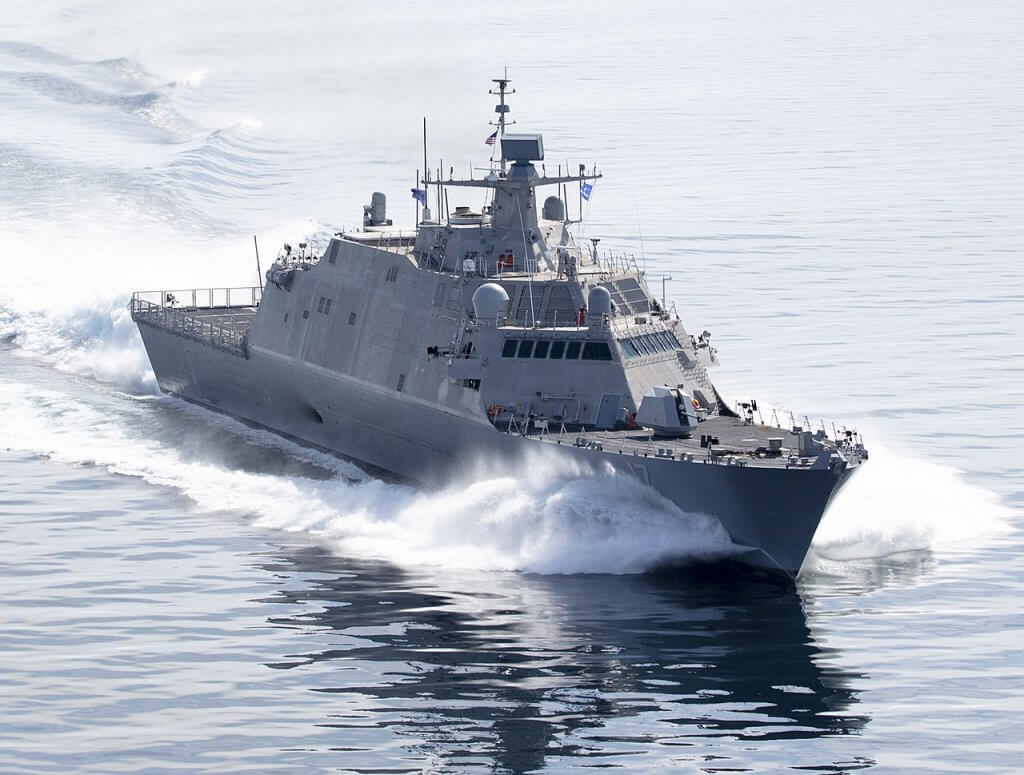
Programs like the Zumwalt-class destroyers, Littoral Combat Ships, and Constellation-class frigates have been riddled with incomplete designs, delays, weak business cases, and massive cost overruns. The Constellation-class, for example, began construction before its design was finalized—despite being based on a proven European frigate.
Since 2015, the GAO has made 90 recommendations to improve Navy shipbuilding. Only 30 have been addressed. That’s not just bureaucratic foot-dragging—it’s a pattern that puts our national security and naval strength at risk.
A Broader Mandate for Reform
This isn’t happening in a vacuum. On March 29, 2025, Defense Secretary Pete Hegseth issued a memo launching the Workforce Acceleration and Recapitalization Initiative, ordering a top-down realignment of the Department of Defense’s civilian workforce.
The initiative seeks to reduce duplication, cut excessive bureaucracy, and redirect resources to the front lines. It reopens the Deferred Resignation Program, encourages early retirement, and requires senior leaders to propose leaner organizational charts—aiming to build a force that is “lean, mean, and prepared to win.”
Whether you agree with the approach or not, reform is no longer optional. The question is whether the Navy will lead the charge—or be dragged into it.
Civic Engagement
Americans for a Stronger Navy exists to engage the public, ask hard questions, and help translate naval strength into civic understanding. We believe a strong Navy and a responsible government go hand in hand. If DOGE enters the shipyard gates, we’ll be watching—not to tear down, but to help build back smarter.
Let’s make sure this moment strengthens the fleet, not weakens it.
Call to Action
We invite you to be part of the conversation. Share your thoughts, experiences, or concerns by visiting StrongerNavy.org on twitter.
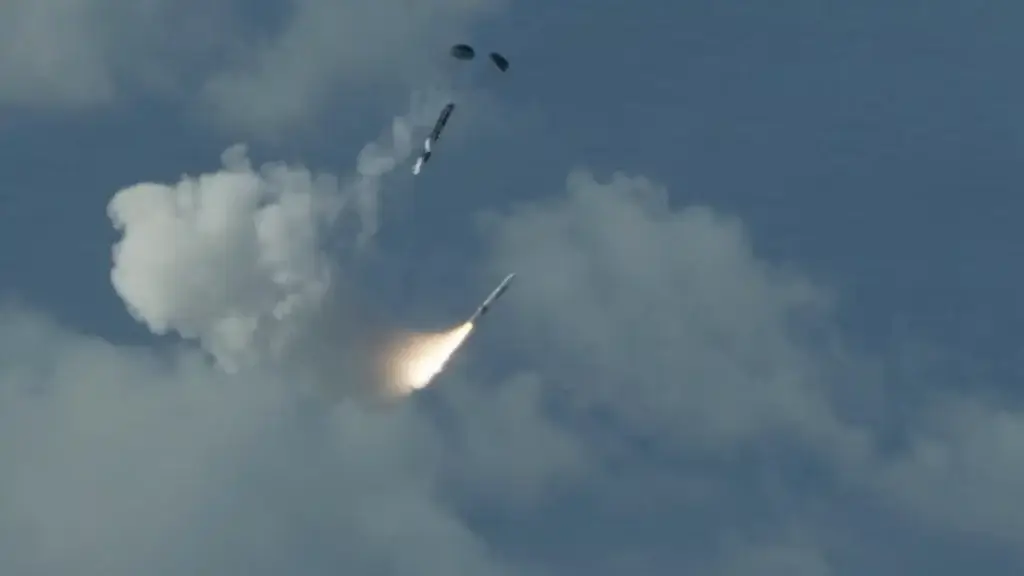
On March 24, 2025, the USS Pinckney (DDG 91) made history. Off the coast of Kauai, Hawaii, the Navy successfully completed Flight Test Other-40 (FTX-40)—also known as Stellar Banshee—using the Aegis Combat System to detect and simulate engagement with a hypersonic missile threat. This test is a major milestone in the United States’ ability to defend against rapidly emerging threats from near-peer adversaries like China and Russia, both of whom are investing heavily in hypersonic technology.
Test Details: Simulating the Future of Warfare
A Medium Range Ballistic Missile (MRBM) equipped with a Hypersonic Target Vehicle (HTV-1) was air-launched from a C-17 aircraft. The USS Pinckney used a simulated SM-6 Block IAU interceptor and Lockheed Martin’s latest Aegis Baseline 9 software to detect, track, and engage the target. While no live intercept occurred, the simulated engagement offered critical insights and data collection, validating the system’s ability to counter maneuvering hypersonic threats.
This test also previewed the system’s scalability. Aegis can be deployed at sea or on land—key flexibility in a complex global security environment. The test utilized a virtualized Aegis software configuration, a leap forward in adapting the system for next-generation warfare.
Building on Momentum: Past Successes and What’s Next
FTX-40 follows the success of FTM-32, known as Stellar Sisyphus, in which the USS Preble (DDG 88) intercepted a MRBM with an upgraded SM-6 Dual II missile in a live-fire test. These continued advancements will pave the way for FTM-43, which will aim to perform a live intercept against an HTV-1 target.
The collaboration between the U.S. Navy, the Missile Defense Agency (MDA), Lockheed Martin, and other defense partners signals a renewed commitment to innovation and integrated missile defense.
Why Americans Should Care
Hypersonic missiles travel at speeds greater than Mach 5, can maneuver mid-flight, and are extremely hard to detect and counter with traditional systems. Adversaries like China and Russia are rapidly developing and testing these weapons. If successful, these weapons could bypass our current defenses and strike critical infrastructure, fleets, or even the homeland.
This test shows that the United States is not standing still. Our Navy is preparing for tomorrow’s battles—today. The Aegis Combat System’s evolving capabilities directly protect American service members at sea, allies abroad, and Americans at home. It’s another reason why investment in a stronger Navy isn’t optional—it’s essential.
Implications for the Navy
This test reinforces the Aegis system as the backbone of the Navy’s integrated air and missile defense strategy. With its growing flexibility, the system can support both forward-deployed naval units and U.S.-based missile defense installations. It also helps the Navy operate in contested environments—areas where hypersonic threats are expected to become commonplace.
Implications for Our Allies
Many of our closest allies—Japan, South Korea, Australia—also rely on Aegis-equipped ships or similar missile defense systems. Demonstrating this capability strengthens not only U.S. deterrence but also our credibility with partners. In a world where multilateral defense cooperation is key, proof of performance matters.
Closing Thought
FTX-40 didn’t just simulate a hypersonic intercept—it sent a clear message: The United States Navy is adapting and preparing to meet new challenges head-on. For Americans watching the headlines, this is a win worth knowing—and a mission worth supporting.
Welcome to the launch of our 24-episode educational series at StrongerNavy.org! We’re building on our core mission to support a strong and capable U.S. Navy—one that safeguards American interests at home and abroad—by adding a central focus on civic engagement and personal responsibility. Our goal isn’t just to spread knowledge about naval history or current threats, but to inspire action among citizens who share our commitment to a resilient and unified nation.
Why This Matters Now
China and Russia are testing American economic, military, and technological leadership. The U.S. Navy, historically a guardian of global stability, now defends not only sea lanes but also digital infrastructure, space-based assets, and critical supply chains—all of which touch Americans’ everyday lives. From gas prices to grocery shelves, a strong Navy underpins the economic stability we often take for granted.
Captain Charlie Plumb’s Call to Action
Today, we are honored to feature insights from Captain Charlie Plumb, a retired U.S. Naval Aviator, combat veteran, and former prisoner of war. His message about “packing each other’s parachutes” highlights the team effort required for any crucial mission—underscoring that every American can (and should) contribute to a stronger nation, whether in uniform or as a supportive citizen at home.
Special Video Feature with Captain Charlie Plumb
We invite you to watch this short, inspiring video where Captain Plumb shares his personal story and the significance of “packing each other’s parachutes.”
“How are you contributing to the resilience, teamwork, and unity of our nation? How’s your parachute packing coming along?” – Captain Charlie Plumb
For Captain Plumb, “parachute packing” is both literal and metaphorical—a reminder that we all rely on each other, whether flying fighter jets, maintaining ships, or simply watching out for our neighbors. In the context of Americans for a Stronger Navy, it means stepping up to learn, engage, and take an active part in defending our freedoms.
A Call for National Unity and Civic Engagement
Captain Plumb’s central question—“How are you contributing to resilience, teamwork, and unity?”—is especially relevant in a time of domestic polarization. Our greatest victories, from WWII to the Cold War, depended on national unity. As Captain Plumb discovered, everyone’s role matters: the pilot in the cockpit, the sailor on the deck, the rigger in the parachute loft—and the citizen at home who advocates, volunteers, or serves in the community.
Civic Engagement Matters
A strong Navy is more than just ships and sailors. It depends on:
Public Awareness – Understanding the strategic challenges worldwide, from Cold War legacies to renewed tensions with Russia and China.
Community Support – Standing behind those who serve, including families and veterans, and ensuring our elected representatives stay informed and accountable.
Personal Responsibility – As Captain Plumb emphasizes, each of us has a role. Through service, advocacy, volunteering, or simply spreading the word, we help “pack each other’s parachutes.”
By illuminating pivotal moments—such as Nixon’s visit to China, the evolution of foreign relations with Russia, and how global power shifts shaped today’s challenges—this series aims to equip you with the knowledge to engage confidently in national security discussions.
Sneak Peek: Our 24-Episode Series
Each episode is designed to educate, inspire, and equip you to take meaningful actions—whether that’s contacting your representatives, sharing important facts with your community, or even considering military service. Here’s a high-level look:
1. The Role of the U.S. Navy in American History 2. Lessons from Vietnam: Stories of Resilience and Unity 3. Technology at Sea: From WWII to the Digital Age 4. Nixon’s Visit to China: Turning Points in U.S. Foreign Policy 5. Naval Statecraft and Diplomacy: Building (and Rebuilding) Global Relationships 6. Facing the Soviet Threat: A Cold War Overview 7. Russia Today: How We Got Here and Where We’re Headed 8. China Rising: Economic Power, Global Dominance and Naval Ambitions – A Deep Dive 9. Key Global Hotspots: Straits, Seas, and Chokepoints 10. Life Aboard a Modern Naval Vessel: Voices from the Fleet 11. Women in the Navy: Progress, Challenges, and Future 12. Recruitment & Retention: Why Today’s Youth Matter 13. Veterans’ Perspectives: Transitioning from Service to Civilian Life 14. The Navy’s Humanitarian Missions: Beyond Combat 15. Cybersecurity on the High Seas: New Frontiers of Defense 16. Alliances and Partnerships: NATO, the Pacific, and Beyond 17. Marine Corps & Navy Integration: A Closer Look 18. Naval statecraft, Budget and Strategy: Funding a Future-Ready Navy 19. Emerging Technologies: Drones, AI, and Robotics 20. Civil-Military Relations: Keeping Democracy Strong 21. Environmental Stewardship: Conserving Our Oceans 22. Stories of Heroism: Unsung Sailors and Surprising Tales 23. Leadership 101: Character, Courage, and Command at Sea 24. The Call to Serve: Civic Engagement for a Stronger Nation
Connecting Policy to Practice
From the Jones Act to the Ships Act and the Fleet Act Proposal, policy and legislation play major roles in shaping naval capabilities. We’ll delve into these and other initiatives—like Anti-Lobbying Efforts—to illustrate how specific actions on Capitol Hill determine our Navy’s ability to stay well-funded, well-equipped, and technologically agile. Influencing these policies isn’t reserved for experts in Washington; every American has a voice in ensuring that the Navy remains a formidable force.
The Navy’s Evolving Mission: Sea, Space, and Cyberspace
Gone are the days when naval power was confined to the oceans. Today’s U.S. Navy must also protect undersea cables, fortify space-based assets, and counter cybersecurity threats—all while confronting China’s Belt and Road Initiative and Russia’s resurgent ambitions. In upcoming episodes, we’ll explore AI, autonomous systems, and cyber warfare, offering insight into how the Navy is adapting to 21st-century challenges.
Join Us for This Free Educational Event
Ready to jump in? Here’s how you can get involved:
Register for our FREE online series at StrongerNavy.org.
Share this blog post and Captain Plumb’s video with friends, family, and community groups.
Engage with us on social media using #StrongerNavy—post your own “parachute packing” stories to recognize mentors or teammates who’ve supported you.
Volunteer or Donate to local veterans’ organizations, or find ways to encourage future Navy recruits in your schools and communities.
Conclusion: Pack Each Other’s Parachutes
As Captain Plumb reminds us, every role matters in safeguarding our nation’s security. “Just doing my job, sir” may sound unassuming, but it speaks volumes about the power of teamwork. Whether you’re a sailor in uniform or a concerned citizen writing to your elected officials, your contribution is vital.
For years, America’s Navy has been a punching bag for criticism, often seen as slow to modernize or inefficient in spending. While scrutiny is necessary, it’s time to tell the other side of the story—the one about the thousands of dedicated Navy personnel and industry professionals working relentlessly to ensure the fleet remains strong, cost-effective, and mission-ready.
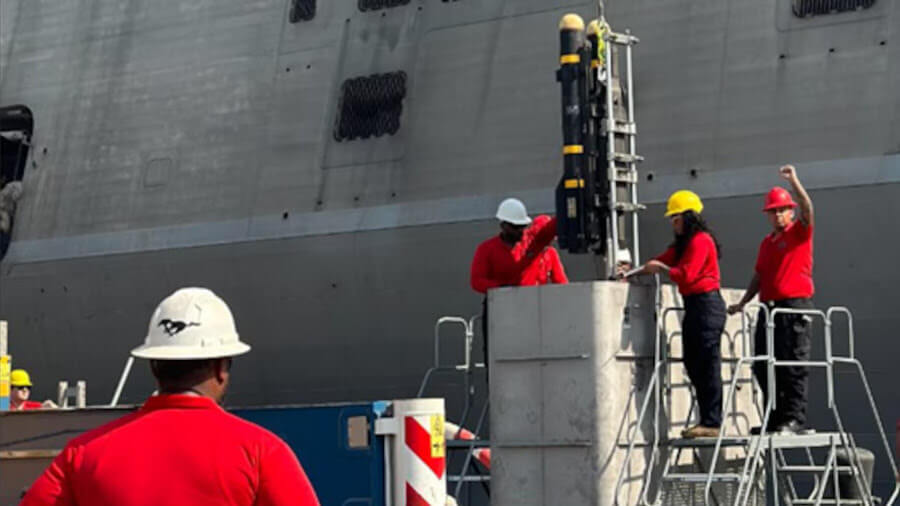
One of the best examples of this commitment is the Navy’s rapid deployment of Counter-Unmanned Aircraft System (C-UAS) capabilities aboard USS Indianapolis (LCS 17). Instead of developing an entirely new system at great expense, the Navy and its partners took a smarter approach—upgrading the existing Surface-to-Surface Missile Module (SSMM) to counter drone threats in contested environments.
Real People, Real Impact
This isn’t just about technology—it’s about people.
Navy officers and sailors who are actively testing and deploying these systems in real-world operations.
Engineers and defense contractors working behind the scenes to ensure the technology is reliable, cost-effective, and adaptable.
Strategists and policymakers balancing modernization with budget efficiency, ensuring that America’s Navy is both powerful and financially responsible.
Capt. Matthew Lehmann, program manager for LCS Mission Modules, highlighted this teamwork: “By leveraging the adaptability of proven technologies in partnership with the Integrated Warfare Systems 80 program office, we were able to deliver on a critical need to the Fleet. This accomplishment showcases the ingenuity and resourcefulness of the Littoral Combat Ship Mission Module Program.”
Smart Spending in a Scrutinized Budget
At a time when leaders like former President Trump and business mogul Elon Musk are calling for greater accountability in defense spending, the Navy is proving that modernization doesn’t have to mean runaway costs.
The SSMM upgrade shows that the Navy is reusing and improving existing systems rather than building from scratch.
By integrating AI-driven detection, modular sensors, and open-architecture systems, upgrades remain adaptable and cost-efficient.
Industry partnerships with Lockheed Martin, Northrop Grumman, and General Atomics ensure that new technology is integrated without unnecessary government overhead.
Rear Adm. Kevin Smith summed it up best: “This rapid integration of C-UAS capabilities enhances our ability to project power and maintain freedom of maneuver in contested environments. We are not only addressing immediate threats but also strengthening the Navy’s overall strategy for operational agility, deterrence, and sustained dominance.”
Industry & Navy Partnership Driving Innovation
Modernizing the U.S. Navy isn’t just a military effort—it’s a collaborative mission between dedicated sailors and some of the most advanced technology companies in the country. Industry leaders like Lockheed Martin, Northrop Grumman, and General Atomics are bringing cutting-edge AI, automation, and drone defense solutions to the fleet. These partnerships ensure that modernization is not just about spending money—it’s about getting the best value for every dollar spent while equipping our Navy with the tools needed to stay ahead of emerging threats.
Key industry players include:
Lockheed Martin – Developing scalable counter-unmanned aerial systems (C-UAS) with AI-driven detection, modular sensors, and command-and-control systems.
Northrop Grumman – Contracted to develop C-UAS solutions for the Navy.
General Atomics Aeronautical Systems, Inc. (GA-ASI) – Testing government-provided autonomy software aboard the MQ-20 Avenger, demonstrating potential advances in Unmanned Combat Air Vehicles (UCAVs).
uAvionix – Developed Casia G, enabling 24/7 Beyond Visual Line of Sight (BVLOS) drone operations.
Volatus Aerospace & Draganfly – Enhancing geospatial and automation capabilities.
Pierce Aerospace – Working on Remote ID detection technology to identify unauthorized drones.
A Message from Americans for a Stronger Navy
“This isn’t just about hardware—it’s about the people who believe in a stronger, more cost-effective Navy. From the sailors aboard the USS Indianapolis to the engineers at Lockheed Martin, thousands of Americans are working every day to ensure the Navy remains a force to be reckoned with—without wasting taxpayer dollars.
We at Americans for a Stronger Navy believe this is the kind of smart, strategic modernization that deserves recognition. Our Navy isn’t just adapting to today’s threats—it’s building a foundation for a stronger, smarter future. This is what peace through strength looks like.”
Final Call to Action: Join the Conversation
At Americans for a Stronger Navy, we believe in supporting the hardworking sailors, engineers, and industry partners who are ensuring the Navy remains strong, modern, and cost-effective. But we can’t do it alone.
✅ Engage with us—Share your thoughts on what a stronger, smarter Navy looks like. ✅ Spread the word—Help shift the narrative to recognize the real efforts behind modernization. ✅ Stay informed—Follow us for updates on how the Navy is adapting to new challenges.
We stand at a crossroads in our nation’s history—one that will determine the future of our Navy, our national security, and the very strength of our industrial base. The question before us is clear: Should we rebuild our naval shipbuilding capabilities here at home, seek foreign assistance, or attempt a hybrid approach?
This is not just a debate about policy. It’s a decision that affects every American—from those who serve at sea to the workers who build our ships, to the families and businesses that rely on safe and open trade routes secured by the U.S. Navy.
A Crisis Decades in the Making
The United States Navy, once unrivaled, now finds itself struggling to maintain a fleet large enough to meet global threats. At the same time, our domestic shipbuilding industry has shrunk to a fraction of its former strength.
Fewer Shipyards: During World War II, the U.S. built a ship a day. Now, we are lucky to produce a handful of warships per year due to limited shipyard capacity.
Aging Repair Facilities: The few remaining naval repair yards are overburdened and outdated, leading to costly maintenance delays.
Worker Shortages: The skilled workforce needed to build and maintain ships has dwindled, leaving shipyards struggling to meet demand.
Rising Threats: China now produces more naval tonnage every year than the U.S. does in a decade. Russia and other adversaries are also modernizing their fleets.
The urgency is real. The Navy’s shipbuilding plan is behind schedule, over budget, and falling short of strategic needs. Simply put, we need more ships, more shipyards, and more skilled workers to build and sustain them.
The Debate: Build Here, Look Abroad, or Both?
President-elect Donald Trump recently suggested leaning on allies to help build U.S. Navy ships. His words have sparked a debate with far-reaching consequences.
There are three paths forward:
1. Fully Rebuild U.S. Shipbuilding Capacity (America First Approach)
Invest in more shipyards and repair facilities to increase production.
Expand apprenticeship and workforce training programs to address skilled labor shortages.
Modernize naval infrastructure to improve efficiency and speed of delivery.
✅ Pros: Strengthens U.S. industry, creates jobs, ensures security. ❌ Cons: Takes time, requires significant investment.
2. Use Allied Shipyards for Basic Infrastructure (Hybrid Approach)
Partner with allies (e.g., Japan, South Korea, Italy) to build less complex vessels while reserving warship production for U.S. yards.
Temporarily relieve the burden on U.S. shipyards while domestic capacity is rebuilt.
✅ Pros: Speeds up production, allows time for U.S. shipbuilding expansion. ❌ Cons: Security risks, reliance on foreign suppliers, potential job losses.
Contract allied nations to build support ships and basic naval infrastructure abroad.
Focus U.S. shipyards solely on high-end warship production.
✅ Pros: Short-term boost in fleet numbers, cost savings. ❌ Cons: Weakens U.S. shipbuilding industry, risks foreign dependency.
What’s at Stake?
No matter which path we take, one fact remains: The U.S. Navy needs more ships—and we need them faster. The growing threats on the world stage do not wait for political debates or bureaucratic delays.
America must decide:
Do we commit to fully restoring our shipbuilding industry, investing in shipyards, repair facilities, and workforce training?
Do we pursue a temporary partnership with allies to fill immediate gaps?
Do we accept foreign-built support ships, potentially at the cost of domestic industry?
This is not just a decision for policymakers—it is a choice for every American. The strength of our Navy is the strength of our nation.
A Call to Action
We need a national shipbuilding strategy that prioritizes American security, economic resilience, and industrial strength.
Expand our domestic shipbuilding capacity.
Modernize and build more repair facilities.
Train and recruit more American workers to sustain naval readiness.
Ensure the Navy has the fleet it needs to protect global commerce and national security.
History shows us that when America builds, America wins. The decision before us will shape the Navy for generations to come. Let’s make sure it’s a future built on strength. Americans for a Stronger Navy StrongerNavy.org. Join the discussion on X.com/strongernavy
An Open Letter: Forward Presence is Not the Problem—Fleet Size Is
To the Editors of War on the Rocks and Dr. Jonathan Panter,
Bill Cullifer, Founder
Your recent commentary argues that naval forward presence is to blame for the U.S. Navy’s inability to deter China and sustain high-end warfighting capacity. While your article correctly identifies the exhaustion and strain imposed by relentless deployments, it misdiagnoses the cause and proposes a dangerous solution.
The problem is not forward presence—it’s fleet size, maintenance shortfalls, and a lack of leadership advocacy for real change.
“It is both realistic and very necessary to maintain forward presence while preparing for high-end conflict.” — Captain Brent D. Sadler, USN (Ret.), Senior Fellow, Heritage Foundation
“The U.S. fleet size to support that deployment has significantly decreased since 1990.” — Captain Steven Wills, USN (Ret.), Senior Advisor, Center for Maritime Strategy
A Shrinking Navy, An Expanding Mission
The numbers tell the real story:
✅ In 1991: The U.S. Navy had 550 ships. Today, it has fewer than 290—a nearly 50% decline.
✅ During the Cold War: Only one-fifth of the fleet was forward deployed. Today, it’s one-third, meaning fewer ships are doing more work.
✅ Maintenance Shortfalls: The Navy has lost critical shore-based infrastructure, making it difficult to sustain current commitments—let alone expand.
Meanwhile, China’s threat has grown, not receded:
✅ China’s Navy: Surpassed 340 ships in 2023 and continues expanding.
✅ Indo-Pacific: Now the primary theater of strategic competition—where U.S. presence is more critical than ever.
The Wrong Solution: Scaling Back Presence
The argument that pulling back from forward deployment would somehow strengthen the Navy by reducing strain is not just wrong—it’s dangerous.
A reduced forward presence does not deter China—it emboldens it.
Beijing is already testing U.S. resolve in the South China Sea, Taiwan Strait, and beyond. A withdrawal would send a clear signal:
America is retreating.
That is not a path to deterrence—it’s a path to ceding maritime dominance to an adversary actively working to reshape the global order.
The Right Solution: A Bigger, More Sustainable Navy
Rather than abandoning forward presence, we must fix the real problem: our shrinking, overstretched fleet.
That means:
✅ Growing the Fleet: Expand to at least 355 ships—endorsed repeatedly by military leaders.
✅ Rebuilding Shore Support: Reinvest in shipyards, dry docks, and logistics infrastructure.
✅ Leadership Advocacy: Navy leaders must demand either more ships or fewer assignments, not accept the status quo.
✅ Congressional Action: Congress must prioritize fleet expansion over short-term cuts.
Conclusion: We Need More Ships, Not Fewer Commitments
Your commentary correctly highlights that the U.S. Navy is stretched thin and struggling to sustain global operations. But forward presence is not the problem. The real issue is that we are trying to maintain it with a fleet too small to sustain the mission.
For more than 75 years, forward-deployed U.S. naval forces have prevented conflict, reassured allies, and ensured maritime security. Scaling back presence does not fix the strain—it accelerates decline and weakens deterrence at the worst possible moment.
“If the United States is serious about deterring China, protecting global stability, and upholding its commitments, the answer is clear: Build a larger, more capable, and better-supported Navy.”
Educating the Public: Our Responsibility
The problem is not just military—it’s political and public awareness.
Too many Americans don’t realize how naval power secures our national and economic security. Without public pressure, there will be no political will to rebuild the fleet.
That’s why we at Americans for a Stronger Navy are launching:
“China, Russia, and America: Navigating Global Rivalries and Naval Challenges”
In our upcoming educational series, we will tackle the most pressing issues facing U.S. naval power, including:
✅ The Role of Naval Power in Preventing Global Conflict
✅ Economic & Strategic Impact of a Shrinking Fleet
✅ China & Russia’s Naval Expansion and the Strategic Threat
✅ U.S. Shipbuilding Crisis: Causes and Solutions
✅ Congressional Accountability: Who’s Responsible for the Shrinking Fleet?
This isn’t just a discussion—it’s a call to action.
To naval leadership, policymakers, and media: Stop pretending all is well. Demand action before the Navy reaches a breaking point.
To the American public: Get informed. Get involved. A strong Navy is not just for the military—it’s for every American who benefits from global stability.
The U.S. Navy’s forward presence is not a luxury—it’s a necessity.
The problem is not the strategy—it’s the lack of resources to sustain it.
If the U.S. wants to deter China, protect its interests, and maintain global stability, the answer is clear: Build a stronger, larger, better-supported, and more capable Navy.
We urge the administration, Congress, and military leadership to acknowledge reality:
Our commitments are not too big—our Navy is too small.
Sincerely, Bill Cullifer Founder, Americans for a Stronger Navy
The conclusion is clear: our nation’s strength at sea relies on a transformative, integrated approach. In short, WhenAmerica Ships, America Wins.
Why This Matters
For too long, the U.S. Navy has operated under a narrow warfighting mandate—a legacy of policies from the 1950s that prioritized combat readiness above all else. Yet history teaches us that true American sea power has always depended on two interlinked capabilities: a modern, formidable fleet and an engaged maritime domain that underpins commerce, diplomacy, and humanitarian efforts.
As Rep. Garamendi recently stated, “Today, less than 200 oceangoing ships fly the American flag; the SHIPS for America Act will empower our shipyards and marine merchants to uphold our country’s status as a leader in the maritime industry.”
Meanwhile, Senator Mark Kelly emphasized, “Strengthening America’s shipbuilding capacity and revitalizing our commercial maritime industry is critical to both our national security and economic resilience.”
These words capture the urgent need to reinvest in our naval statecraft while simultaneously enhancing our broader maritime strength.
Our Journey to Clarity Throughout my review, several key insights emerged:
Dissecting the Sources:Captain Sadler’s articlecalls for a revolution in U.S. naval shipbuilding. He writes, “For too long, needed investment in and action to bolster our nation’s maritime industrial base have been elusive. That luxury is no longer feasible given the threat from a revanchist and massively invested Chinese military.” His words, combined with insights from War on the Rocks and historical reflections, remind us that our Navy must once again balance combat readiness with essential peacetime missions.
Clarifying Terminology: We now clearly distinguish between “naval statecraft”—focused on rebuilding our fleet and shipbuilding capacity—and “maritime statecraft,” which encompasses the broader economic, diplomatic, and logistical roles at sea. Recognizing that these two concepts are mutually reinforcing helps create a coherent strategic message.
Refining Our Message: After extensive review and discussion, our distilled, bold message is: WhenAmerica Ships, America Wins. Coupled with the rallying cry, Wake up, America—our destiny depends on it, this encapsulates the urgent need to invest in our naval statecraft to secure our maritime future.
Key Takeaways and Implications
Integrated Mission for a Modern Era: A strong Navy is not just about preparing for war—it is the foundation of national security, economic prosperity, and global maritime influence. When America builds its ships, it reinforces its entire maritime domain.
Economic and Security Benefits: Investment in our shipbuilding industry creates high-quality jobs, revitalizes our manufacturing base, and ensures our fleet is capable of sustaining military operations and global trade. Without sufficient modern vessels, our ability to maintain critical supply chains is at risk.
Historical Lessons for Today: The interwar period showed that the U.S. Navy once balanced readiness for war with vital peacetime missions like humanitarian aid and diplomatic engagement. Recalling these lessons provides a blueprint for integrating naval and maritime statecraft in today’s complex environment.
In my efforts to understand the challenges facing the U.S. Navy and our maritime infrastructure, I have spent a fair amount of time reviewing the Jones Act and the range of views surrounding it. While there are differing opinions on how best to strengthen our domestic shipping industry, one thing is clear—America needs more ships, a stronger supporting infrastructure, and a Navy that is fully equipped to protect our national security. Regardless of where one stands on the specifics of maritime policy, we can all agree that a Stronger Navy is critical to American security and economic resilience. My focus remains on ensuring that we have the industrial capacity, shipbuilding capabilities, and logistics networks necessary to maintain U.S. maritime strength in an increasingly contested world.
Why Americans Should Care
For over two centuries, American maritime strength has been a cornerstone of our global leadership. Yet today, our domestic shipbuilding industry has shrunk from over 300 shipyards in the 1980s to just 20, and our U.S.-flagged commercial fleet has dwindled to fewer than 80 vessels. With China dominating global shipbuilding and maritime trade, the equation is simple: When America Ships, America Wins. Our shipyards are the engines powering our Navy, safeguarding our commerce, and securing our freedom.
Implications for the Navy and the Maritime Domain
For the Navy: Modernizing our fleet enhances operational readiness, supports a skilled and sustainable workforce, and allows the Navy to execute both war and peacetime missions. A modernized Navy is essential to deter adversaries and defend our national interests.
For the Maritime Domain: A thriving shipbuilding industry is vital for protecting American commerce, ensuring free navigation, and fostering economic resilience. Strengthening our maritime statecraft reinforces strategic partnerships and maintains our global influence.
The Legislative Response: SHIPS for America Act
Bipartisan efforts led by figures such as Senator Mark Kelly, Congressman Mike Waltz, Rep. Trent Kelly, and Rep. John Garamendi have culminated in the introduction of the Shipbuilding and Harbor Infrastructure for Prosperity and Security (SHIPS) for America Act. This comprehensive legislation proposes to:
Revive U.S. Shipbuilding: Offer tax incentives and targeted investments to rebuild our shipyards and attract private-sector growth.
Expand the U.S.-Flagged Merchant Fleet: Implement cargo preference laws to ensure more goods travel on American ships.
Strengthen National Security: Increase the supply of ships available for military logistics and rapid response.
Develop a New Maritime Workforce: Establish apprenticeships, trade school incentives, and recruiting programs to restore critical skills in ship maintenance and marine operations.
Forge Strategic Partnerships with Allies: Collaborate with trusted nations like Japan, South Korea, Finland, and Canada to enhance our shipbuilding capacity while ensuring American oversight.
This legislation is not about partisan politics—it’s about survival. With global supply chains vulnerable to disruption, the urgency to rebuild our maritime strength has never been greater.
Conclusion & Call to Action
History teaches us that nations fall when they lose control of the seas. Today, as our adversaries grow stronger and our industrial base shrinks, we cannot afford to dawdle. It’s not war we desire, but peace achieved through strength—and our enemies must know that America will not stand idly by.
Join us in this crucial mission. We call on policymakers, industry leaders, and every American who values freedom and prosperity to support transformative initiatives that invest in our naval statecraft. By strengthening our shipbuilding industry and modernizing our Navy, we secure a robust maritime future that benefits us all.
When American Ships, America Wins. Wake up, America—our destiny depends on it.
Visit StrongerNavy.org to learn more, get involved, and help ensure that our nation’s shipbuilding efforts pave the way for a secure and prosperous future.
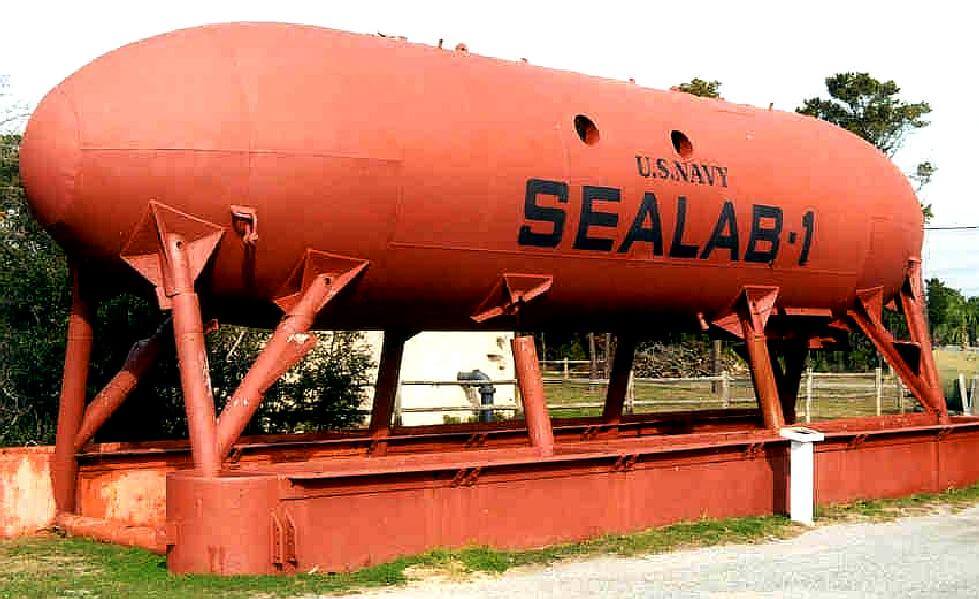
SEALAB I was lowered off the coast of Bermuda in 1964
Bill Cullifer, Founder
In the 1960s, while the world marveled at NASA’s race to the moon, the U.S. Navy was quietly conducting its own groundbreaking experiments in the depths of the ocean. Capt. George Bond, a visionary Navy medical officer, saw the ocean floor as humanity’s next frontier. Through the Sealab program, Bond and his team pioneered technologies and techniques that pushed the boundaries of what was possible underwater.
Why this matters
Though it lacked the glory and attention of space exploration, Sealab revealed the untapped potential of the ocean and laid the groundwork for advancements that still benefit us today. But the real question remains: Why should Americans care about undersea exploration now, decades after the Sealab program ended?
The answer lies in what the oceans represent—security, resources, and innovation. In an increasingly competitive and interconnected world, America’s ability to operate and protect its interests underwater is more critical than ever.
The Vision of Sealab
The Sealab program was nothing short of audacious. In an era when divers could barely spend 30 minutes underwater using compressed air, Capt. Bond and his team envisioned a future where humans could live and work on the ocean floor for weeks or even months. Through Sealab I, II, and III, they developed and tested the revolutionary concept of saturation diving, which allowed divers to stay submerged for extended periods without suffering from decompression sickness.
Sealab II, in particular, demonstrated the viability of underwater living. Teams of aquanauts conducted scientific experiments, tested tools for underwater construction, and explored how the human body coped with prolonged exposure to the deep sea. The program even incorporated whimsical innovations, like a trained dolphin named Tuffy, to deliver supplies.
Despite its promise, the program ended tragically with the death of aquanaut Berry Cannon during the Sealab III mission. But the legacy of Sealab lived on, influencing both naval operations and the oil industry’s offshore drilling advancements.
The Ocean’s Strategic and Economic Importance
While Sealab was ahead of its time, its lessons are more relevant today than ever. The oceans cover 71% of the Earth’s surface and hold the key to global trade, communication, and resources. Undersea cables, for instance, carry 95% of the world’s internet traffic—making them critical to both commerce and national security.
Moreover, the ocean floor contains vast reserves of minerals, rare earth elements, and other resources essential for modern technologies. Nations like China are actively pursuing undersea mining and infrastructure projects to secure these resources, positioning themselves as dominant players in the maritime domain.
The U.S. Navy plays a vital role in safeguarding these interests. From protecting shipping lanes to monitoring underwater activity, the Navy’s ability to operate in the undersea domain is essential to America’s security and economic stability. Sealab’s pioneering spirit reminds us that exploration and innovation are necessary to maintain this edge.
The Lessons of Sealab for Today
The Sealab program was a testament to human ingenuity and resilience. The aquanauts’ willingness to push physical and technological limits paved the way for modern advancements in undersea exploration. Technologies developed during Sealab, such as saturation diving, are still used by the Navy and commercial industries today.
But the program also underscores the importance of readiness and adaptability. The challenges faced by the Sealab teams—equipment malfunctions, extreme cold, and life-threatening situations—are reminders that operating underwater requires constant vigilance and innovation.
As competition for undersea resources intensifies and adversaries like China and Russia expand their capabilities, the U.S. cannot afford to fall behind. Investing in undersea technologies, such as autonomous underwater vehicles and advanced submarines, is critical to maintaining America’s strategic advantage.
Why America Should Care
The oceans may not capture the public’s imagination like space, but they are no less important. Sealab showed us that the ocean floor is not just a mysterious expanse—it’s a frontier of opportunity and strategic importance. The Navy’s ability to operate effectively underwater is essential for protecting our economy, ensuring global stability, and deterring aggression.
And let me add this—while Elon Musk is busy dreaming of Mars, I think we can start a little closer to home. We live here. This planet is our home, and the ocean is a wealth of untapped opportunity. Supporting our Navy’s efforts to explore and protect the undersea domain isn’t just about national security; it’s about investing in the place where humanity will continue to thrive. Sorry, Elon, but this sailor would rather stay right here, on Earth.
A Call to Action
Sealab may be a forgotten chapter in America’s history, but its lessons remain vital. The program was a bold attempt to explore the unknown and push the limits of human potential. Today, we face new challenges and opportunities in the undersea domain, and we must rise to meet them with the same spirit of innovation and determination.
As Americans, we have a responsibility to support the Navy and ensure it has the resources and technologies needed to protect our interests. The oceans are a silent frontier, but their importance to our security and prosperity cannot be overstated. Let’s honor the legacy of Sealab by championing the Navy’s mission and investing in the future of undersea exploration.
The U.S. Navy’s commitment to undersea exploration and innovation lives on through the work of institutions like the Naval Undersea Warfare Center (NUWC), the Office of Naval Research (ONR), and the Naval Postgraduate School. These organizations, alongside collaborations like the National Institute for Undersea Vehicle Technology (NIUVT), continue to push the boundaries of what is possible beneath the waves. Their efforts ensure that America remains at the forefront of undersea research, protecting vital resources and advancing technology in ways that honor the legacy of Sealab and its pioneers.
As technology evolves and global security challenges intensify, the conversation about the future of aerial combat grows increasingly critical. At Americans for a Stronger Navy, we believe this debate is not just for defense experts and policymakers—it’s a conversation that impacts every American. The decisions we make today about our military capabilities will shape the safety, security, and strategic posture of the United States for decades to come.
The stakes are monumental. From the taxpayer dollars funding advanced fighter programs to the geopolitical implications of maintaining air superiority, this is a topic that demands both transparency and public engagement. That’s why we’re launching a comprehensive three-part series to explore this issue from every angle.
What We Plan to Cover
Part 1: The Debate Over the F-35 Program
We will present the current arguments surrounding the F-35 program, including Elon Musk’s critiques of manned fighter jets, Lockheed Martin’s defense of the aircraft, and the U.S. Navy’s position on its strategic importance. This installment will provide a clear and balanced view of the differing perspectives.
Part 2: Behind the Scenes of Defense Planning
This segment will peel back the layers of what goes into planning programs like the F-35. From research and development to operational strategies, we’ll dive into the complexity of balancing current needs with future threats. This part will highlight the challenges faced by military planners and strategists, giving Americans a deeper appreciation of the decisions at hand.
Part 3: The Future of Aerial Combat and Public Involvement
In our final piece, we’ll explore how advancements in technology and evolving geopolitical dynamics will shape the future of aerial combat. This installment will conclude with a call to action, inviting the American public to engage with this issue and weigh in on the path forward.
Why This Topic Is Significant
The F-35 program has been a cornerstone of U.S. airpower, but it is also a lightning rod for criticism. High costs, technical challenges, and emerging alternatives like drone swarms have sparked intense debate. At the same time, the world is witnessing rapid advancements in hypersonics, artificial intelligence, and unmanned systems—technologies that could redefine the very nature of warfare.
This is about more than aircraft. It’s about maintaining America’s technological edge, ensuring national security, and spending taxpayer dollars responsibly. The choices we make today will determine whether the U.S. remains a global leader in military innovation or cedes ground to competitors like China and Russia.
Why Americans Should Care
At its heart, this is a conversation about priorities. Should the U.S. continue investing in programs like the F-35, or pivot to emerging technologies? How can we ensure our military remains strong while being fiscally responsible? These are questions that affect every American, and they deserve thoughtful, informed discussion.
We encourage you to follow this series, engage with the content, and share your thoughts. As citizens, we have a vital role to play in shaping the future of our nation’s defense. Together, we can ensure that America’s Navy remains not only stronger but also smarter and more efficient.
Stay tuned for Part 1 of our series, where we dive into the debate over the F-35 program and explore the arguments from all sides. Let’s navigate this complex topic together.