

Why This Matters: The High Stakes for American Seapower
As we watch the events unfold in the Persian Gulf, many Americans are asking: Why should we care? For the team here at StrongerNavy.org, the answer is clear. This isn’t just a regional skirmish; it is a stress test for the very foundation of global commerce and the U.S. Navy’s role as its guardian.
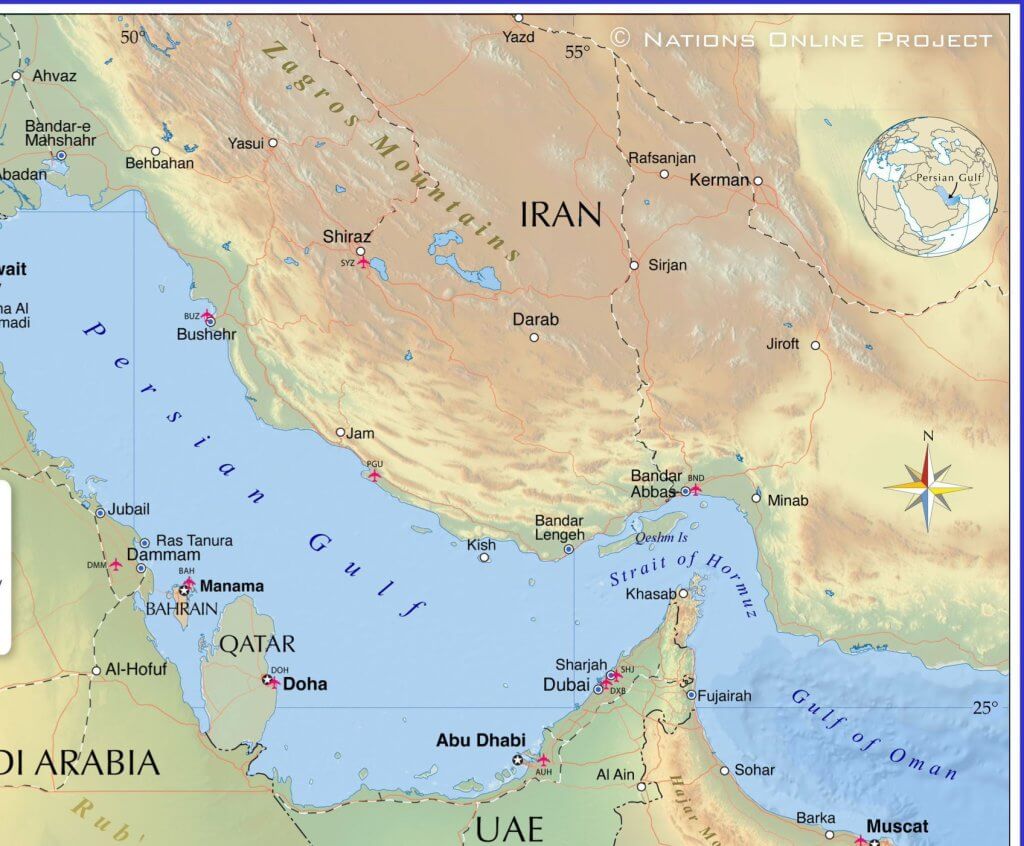
- The Chokepoint of the World: The Strait of Hormuz is the world’s most critical energy artery. Roughly 20% of global oil and LNG pass through here. A threat to this “chokepoint” is a direct threat to your gas prices and home heating bills.
- A New Era of Naval Warfare: Our Navy is facing a “swarm” threat of low-cost drones. The challenge is “missile math”—defending against a $20,000 drone without exhausting million-dollar interceptors.
- The Cost of Deterrence: With munitions costs hitting $6 billion in the first week, we see exactly why a properly funded, technologically superior Navy is the only way to prevent wider aggression.
The Interview: Objective Analysis in a Complex War
In what I consider to be one of the most objective and hard-hitting interviews on the current conflict, Katie Couric sat down with General David Petraeus to dissect the joint U.S.-Israeli operations. Couric asked the tough questions about shifting goals, while Petraeus provided a masterclass in strategic analysis.
The Rationale: Why Now?
General Petraeus identified two primary triggers for the timing of this operation:
- Missile Reconstitution: Israel observed Iran rapidly rebuilding its missile program. The “missile math”—the ratio of launchers to interceptors—was becoming “uncomfortable.”
- Fleeting Intelligence: The U.S. gained “exquisite intelligence” on the patterns of the Supreme Leader. The administration struck in broad daylight to capitalize on this window.
Naval Neutralization: “Giving Them the Bottom Half”
The U.S. Navy has effectively erased Iran’s ability to project power at sea. The numbers are historic:
- 120+ Vessels Sunk or Damaged: Including the IRIS Soleimani and the Makran forward-base ship.
- Submarine Force Eradicated: All 11 Iranian submarines, including midget Ghadir-class mine-layers, are reported neutralized.
- Carrier Power: The USS Gerald R. Ford and USS Abraham Lincoln are leading the charge, proving American steel remains the ultimate deterrent.
📊 QUICK STATS SIDEBAR: The Naval Front
- Iranian Vessels Sunk/Damaged: 120+
- Submarine Capability: 0 (Total Neutralization)
- Missile Launch Reduction: 90% Decrease since Week 1
- U.S. Carrier Presence: 2 Strike Groups (Ford & Lincoln)
- Munitions Cost (Week 1): $6 Billion
The “Pottery Barn” Rule
Couric asked the poignant question regarding the “Pottery Barn Rule”—if you break it, you own it. Petraeus offered a sobering distinction: without boots on the ground, the U.S. doesn’t “own” the aftermath. “The Iranians own it,” he noted, while acknowledging that we may be “revisiting this periodically” if a new agreement isn’t reached.
Watch the full interview below to see General Petraeus navigate these complex waters.
Bill
Americans for a Stronger Navy
StrongerNavy.org