

Introduction
Over the years, I’ve watched with pride as the United States Navy continues to answer the call — anywhere, anytime. We remain the most capable blue-water navy on earth. Our carriers project power globally. Our submarines dominate beneath the waves. Our sailors perform with professionalism and discipline that few nations can match.
But there’s a hard truth we need to confront as Americans.
We are running our fleet — and our sailors — very hard.
The USS Gerald R. Ford and the Bigger Pattern

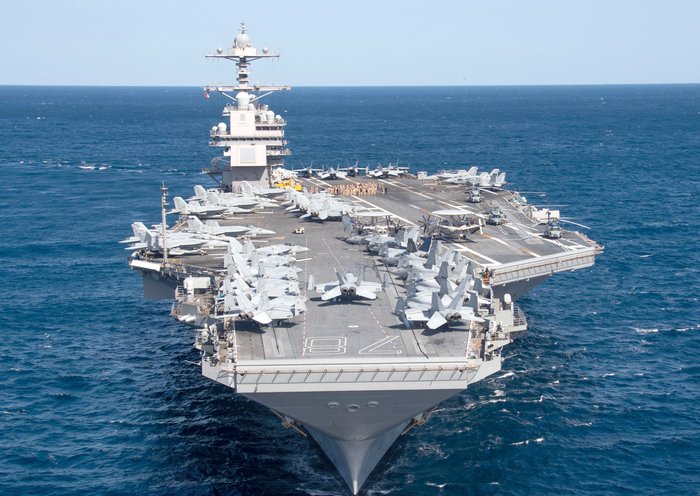
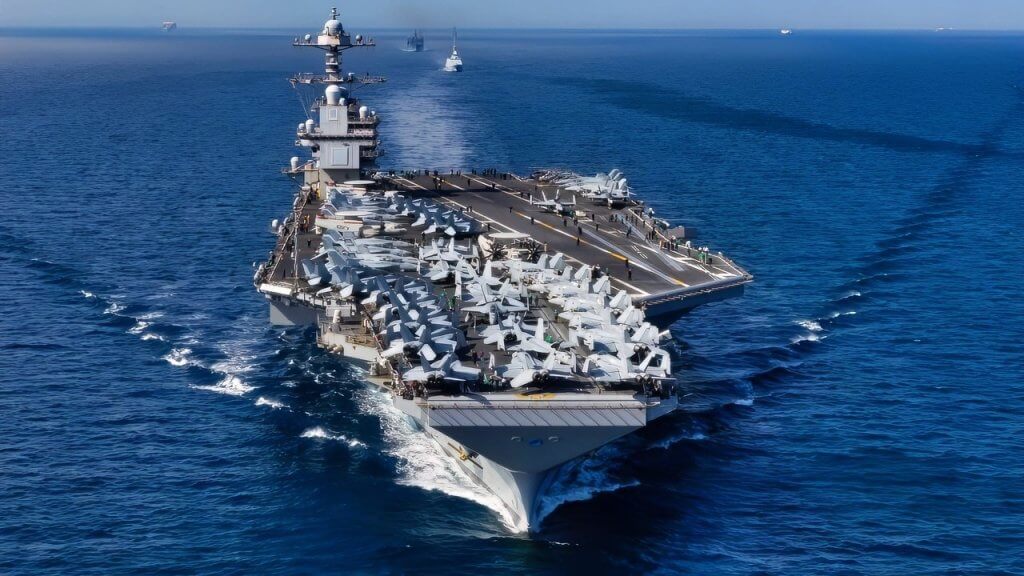
When the USS Gerald R. Ford deploys, it represents American industrial power, advanced engineering, and decades of naval aviation expertise. It is the most technologically advanced aircraft carrier ever built.
And yet, like so many ships before it, it has faced extended deployments, compressed maintenance cycles, and intense operational tempo.
This is not about one ship.
It’s about a pattern.
For more than two decades, global demand for U.S. naval presence has increased — while fleet size has not kept pace. The Navy today operates fewer ships than it did during much of the Cold War, yet it is tasked with deterring conflict in the Western Pacific, reassuring allies in Europe, maintaining stability in the Middle East, countering threats in the Red Sea, and responding to crises in the Caribbean and beyond.
The math is unforgiving.
The Carrier Debate — And the Irony
We often hear arguments that aircraft carriers are obsolete, too vulnerable, or relics of a past era.
Yet when tensions rise, when diplomacy tightens, when regional stability wavers — who gets called?
The carrier.
Because nothing else can:
• Deliver sustained airpower without relying on host nation permission
• Generate massive sortie rates from international waters
• Provide immediate, sovereign options to a president
• Signal deterrence visibly and credibly
Critics focus on vulnerability.
Decision-makers focus on options.
That is the carrier irony.
We debate their relevance in peacetime — and depend on them in crisis.
The Real Issue: Capacity, Not Capability
The U.S. Navy is still the strongest in the world.
But strength without depth creates strain.
Extended deployments affect more than headlines. They impact:
• Sailor fatigue and family stability
• Training cycles
• Shipyard scheduling
• Long-term readiness
When maintenance gets compressed, the effects don’t show up immediately. They show up later — in availability gaps, repair delays, and cascading readiness challenges across the fleet.
This is not alarmism.
It is operational reality.
Why Americans Should Care
Most Americans assume we have a massive Navy that can surge indefinitely.
They see a carrier sent to a region and feel reassured.
They do not see the maintenance backlogs, the stretched crews, or the industrial bottlenecks behind the scenes.
Sea power underwrites global commerce. Roughly 90 percent of global trade moves by sea. Energy flows, supply chains, and strategic chokepoints all depend on maritime stability.
When the Navy is stretched thin, that stability becomes more fragile.
This isn’t about war. It’s about deterrence, economic security, and preventing conflict before it starts.
The Path Forward
The answer is not to bash carriers.
The answer is not to overuse them either.
The answer is depth:
• More ships
• Stable deployment cycles
• Stronger shipbuilding capacity
• Investment in maintenance infrastructure
• Support for the sailors and families who carry the burden
America’s Navy belongs to the American people. And if we expect it to remain the strongest in the world, we must understand what it actually takes to sustain that strength.
We can be proud of our Navy.
But pride alone does not build ships.
Public understanding does.
That’s why we launched Charting the Course: Voices That Matter — a 24-part educational series breaking down how we got here, what went wrong, and what must happen next. Our goal is simple: educate the public, connect the dots, and build the support needed to close the readiness gap before it’s too late.
Let’s roll.