Distributed Command and Control: Integrating Unmanned Systems for a Future-Ready Navy

Introduction

As we continue our deep dive into Project 33, we’ve seen how the Navy is actively investing in cutting-edge technologies like autonomous vehicles. We are fortunate to have insights from Dr. Steven Wills, Navalist at the Center for Maritime Strategy at the Navy League of the United States and Senior Advisor to Americans for a Stronger Navy. Dr. Wills, author of “Strategy Shelved: The Collapse of Cold War Naval Strategic Planning,” is an expert in U.S. Navy strategy and policy, particularly in surface warfare programs and platforms. Drawing from his extensive experience and research, Dr. Wills shared his thoughts on the progress and challenges of integrating unmanned systems into the Navy’s operations.

The Importance of Distributed Command and Control

At the heart of Project 33 is the concept of enabling our fleets to operate as a cohesive, yet dispersed, force capable of adapting to dynamic and complex threat environments. Command centers, such as Maritime Operations Centers (MOCs), play a crucial role in this distributed approach, serving as the nerve centers that link together various platforms, assets, and capabilities. To succeed in a high-end conflict, the Navy must have the ability to control and coordinate forces across vast distances, making use of both manned and unmanned systems.

Dr. Steven Wills’ Expert Insights on Unmanned Systems Integration

As Dr. Wills points out, “The MQ-25A is expected to be the basis for an unmanned strike aircraft to be fielded in the near future as the Navy seeks to make the carrier air wing 60% unmanned by 2035-2040.”

This development is a clear example of how the Navy is moving toward a more distributed, networked approach, where unmanned systems not only extend the reach of manned assets but also enhance their effectiveness.

Practical Impacts: The MQ-25A and Uncrewed Surface Ships

The introduction of the MQ-25A next year marks a pivotal step forward in Project 33’s implementation. This unmanned aerial refueling aircraft will eliminate the inefficient practice of “buddy tanking,” where F/A-18s are used as tankers, freeing them up for their primary combat missions. As Dr. Wills highlights, the MQ-25A’s deployment will significantly enhance the operational efficiency of carrier air wings, allowing for extended range and strike capabilities.

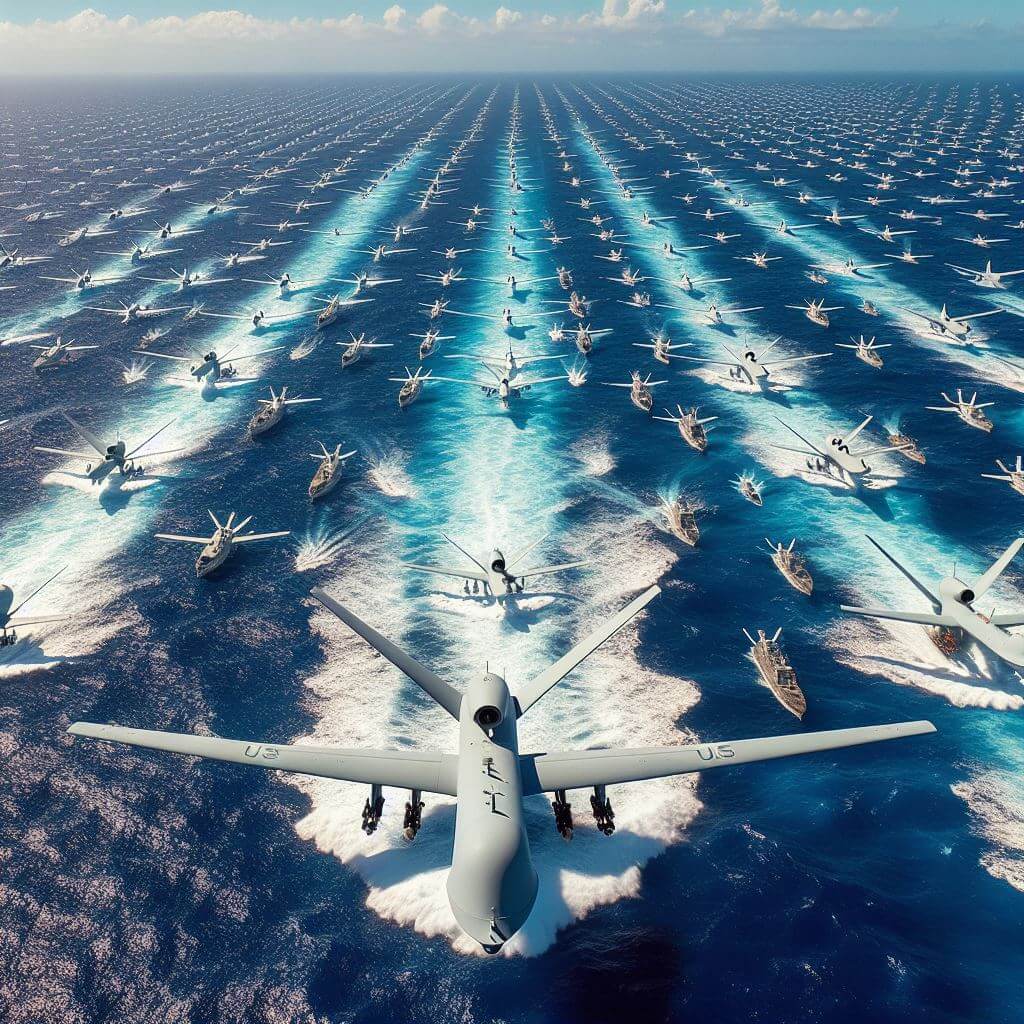
Similarly, the Navy’s uncrewed surface ship project is progressing, with plans to field uncrewed ships as additional missile magazines for our destroyers. This not only increases the fleet’s offensive and defensive capabilities but also reduces the risk to personnel, demonstrating how unmanned systems are seamlessly integrated into distributed operations.

The Human Element: Training and Maintenance

Dr. Steven Wills also offers an essential reminder that the adoption of unmanned systems doesn’t diminish the need for skilled sailors. Instead, it shifts the focus toward training personnel to maintain and repair these advanced systems. The Navy’s robotics initiative under Project 33 will require recruiting and training a new generation of sailors adept at operating and sustaining unmanned technologies, ensuring that we remain at the forefront of maritime innovation.

“The adoption of unmanned systems doesn’t diminish the need for skilled sailors. Instead, it shifts the focus toward training personnel to maintain and repair these advanced systems.” – Dr. Steven Wills

Why This Matters for Distributed Operations

The integration of unmanned systems is more than just adding new tools to the fleet—it’s about building a networked, adaptable force capable of responding to threats quickly and decisively. By incorporating autonomous vehicles into distributed command structures, the Navy gains flexibility, increased reach, and the ability to execute missions with greater precision and efficiency.

As Dr. Steven Wills rightly emphasizes, these advancements represent the future of naval warfare, where manned and unmanned assets work in concert to achieve strategic objectives.

Conclusion

Project 33’s emphasis on distributed command and control is a testament to the Navy’s commitment to preparing for future conflicts. By integrating unmanned systems like the MQ-25A and uncrewed surface ships, we’re not just enhancing the Navy’s capabilities—we’re fundamentally changing how we operate, ensuring that our fleets remain agile, adaptable, and ready for any challenge.

The road ahead will require continued investment, innovation, and the support of the American public. Together, we can ensure that the Navy remains a dominant force in an increasingly complex world. Please support the Navy and the Americans for Stronger Navy by following us on Facebook or by completing the contact us page by clicking here.

Dr. Wills, author of “Strategy Shelved: The Collapse of Cold War Naval Strategic Planning,” is available on Amazon. For details click here.

U.S. Naval News Wednesday – September 4, 2024: Operational Highlights & In-Depth Editorial on Shipyard Modernization

Bill Cullifer, Founder

Welcome to this week’s edition of U.S. Naval News. At Americans for a Stronger Navy, we’re committed to keeping you informed about the latest developments from around the fleet. This week, we bring you key updates, including the USS Abraham Lincoln’s strategic deployment to the Gulf of Oman and cutting-edge advancements in drone operations aboard the USS George H.W. Bush.

But we’re not stopping there. In this edition, we’re introducing a new feature—an in-depth editorial commentary. Following the news, we’ll dive deeper into a critical issue affecting our Navy: the recent GAO report on the state of U.S. shipyards. This report raises alarms about the capacity and readiness of our shipyards to meet the demands of a modern Navy. We’ll explore why this matters, what needs to be done, and how you—our readers and supporters—can join us in advocating for change.

Your involvement is more important than ever. Together, we can make a difference.

Thank you for your continued support. 

Operational Updates

  • USS Abraham Lincoln Deployment: The USS Abraham Lincoln (CVN-72) has positioned itself in the Gulf of Oman as part of a broader strategy to maintain a strong naval presence in the Middle East. This deployment comes amid increasing regional tensions, particularly related to Iran’s activities.
  • Theodore Roosevelt Strike Group Rescue: The USS Theodore Roosevelt Strike Group successfully rescued two distressed Iranian mariners in international waters. The rescue operation underscores the U.S. Navy’s readiness and commitment to maritime safety and humanitarian missions in the region.
  • Submarine Maintenance in Australia: The USS Hawaii (SSN 776) conducted scheduled maintenance at HMAS Stirling, Australia, under the AUKUS Pillar 1 initiative, which supports Australia’s development of a sovereign conventionally armed, nuclear-powered submarine capability.
  • Bilateral Operations with Italian Navy: The U.S. Navy and Italian Navy conducted joint operations in the Philippine Sea, focusing on enhancing maritime security and demonstrating a unified commitment to a free and open Indo-Pacific.

Technological and Strategic Developments

  • Drone Command Center on USS George H.W. Bush: A new drone command center has been installed on the USS George H.W. Bush (CVN 77) to operate MQ-25 “Stingray” drones, marking a significant advancement in the Navy’s unmanned aerial capabilities.
  • FY24 NDAA Shipbuilding Boost: The U.S. Senate’s version of the FY24 National Defense Authorization Act (NDAA) includes authorization for the procurement of 10 new battle force ships, emphasizing the ongoing modernization of the Navy’s fleet.
  • China Watch: China recently claimed breakthroughs in autonomous vehicle technology, which could have significant military applications, including advanced driver-assistance systems and unmanned aerial vehicles (UAVs). These developments are closely tied to China’s broader strategy of integrating military and civilian technology efforts.
  • Russia Watch: Concerns continue to mount over the U.S. Navy’s readiness, particularly with regard to the availability of dry docks for essential ship repairs. U.S. lawmakers have voiced concerns about how this impacts naval operations, especially when compared to China’s rapid shipbuilding pace.

Community and Leadership News

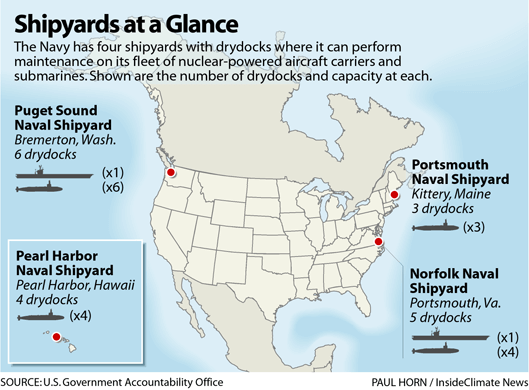
  • Navy Shipyards Under Scrutiny: The U.S. Government Accountability Office (GAO) has raised concerns about the capacity and efficiency of U.S. shipyards, emphasizing the need for modernization to keep pace with global naval demands. The GAO report, released on September 2, 2024, highlights that delays in ship repairs and upgrades could severely impact fleet readiness. The report also notes that inadequate infrastructure and workforce shortages are critical challenges that need immediate attention.
  • Navy Wants Industry’s Help to Reduce Costs: Secretary of the Navy Carlos Del Toro has called on the defense industry to partner with the Navy in reducing sustainment costs, particularly by securing better terms for technical data rights in acquisition contracts.

Editorial: The Imperative to Modernize U.S. Navy Shipyards

The recent GAO report underscores what we at Americans for a Stronger Navy have been emphasizing for the past two years: the state of our Navy’s shipyards is a national crisis. The threats we face are real and cannot be overstated. As the GAO has highlighted, the current state of our shipyards directly threatens our fleet’s readiness and, by extension, our national security.

This is not just a Navy issue—it’s a national imperative. We cannot expect the Navy to shoulder this burden alone. It’s time for Congress to act decisively, providing the necessary funding and legislative support to modernize our shipyards. The Navy’s ability to maintain a robust, ready fleet depends on it.

We propose a multi-faceted approach to solving this crisis. A private-public-community partnership is essential to drive the changes needed. Industry leaders, local communities, and government must come together to build the workforce, improve infrastructure, and streamline processes to ensure our Navy remains the most powerful maritime force in the world.

We can no longer afford to point fingers. It’s time to move forward with a united effort. The future of our national security depends on it.

  1. Norfolk Naval Shipyard (NNSY)
    • Location: Portsmouth, Virginia
    • Established: 1767
    • Specializes in: Overhaul, repair, and modernization of naval ships, particularly nuclear-powered vessels.
  2. Pearl Harbor Naval Shipyard
    • Location: Pearl Harbor, Hawaii
    • Established: 1908
    • Specializes in: Overhaul, repair, and modernization of submarines and surface ships.
  3. Puget Sound Naval Shipyard (PSNS)
    • Location: Bremerton, Washington
    • Established: 1891
    • Specializes in: Overhaul, repair, and decommissioning of naval vessels, particularly nuclear-powered ships and submarines.
  4. Portsmouth Naval Shipyard
    • Location: Kittery, Maine
    • Established: 1800
    • Specializes in: Overhaul, repair, and modernization of nuclear-powered submarines.
  5. Huntington Ingalls Industries (Newport News Shipbuilding)
    • Location: Newport News, Virginia
    • Established: 1886
    • Specializes in: Construction of nuclear-powered aircraft carriers and submarines, as well as ship repair.
  6. Mare Island Naval Shipyard (Closed)
    • Location: Vallejo, California
    • Established: 1854, closed in 1996
    • Specializes in: Ship construction and repair (historically).
  7. Philadelphia Naval Shipyard (Closed)
    • Location: Philadelphia, Pennsylvania
    • Established: 1801, ceased operations in 1995
    • Specializes in: Ship construction and repair (historically).

These shipyards represent a mixture of active and decommissioned facilities, but the active ones remain critical to maintaining and modernizing the U.S. Navy fleet, particularly in nuclear-powered ships and submarines.


Confronting the Constellation Class Frigate Delays

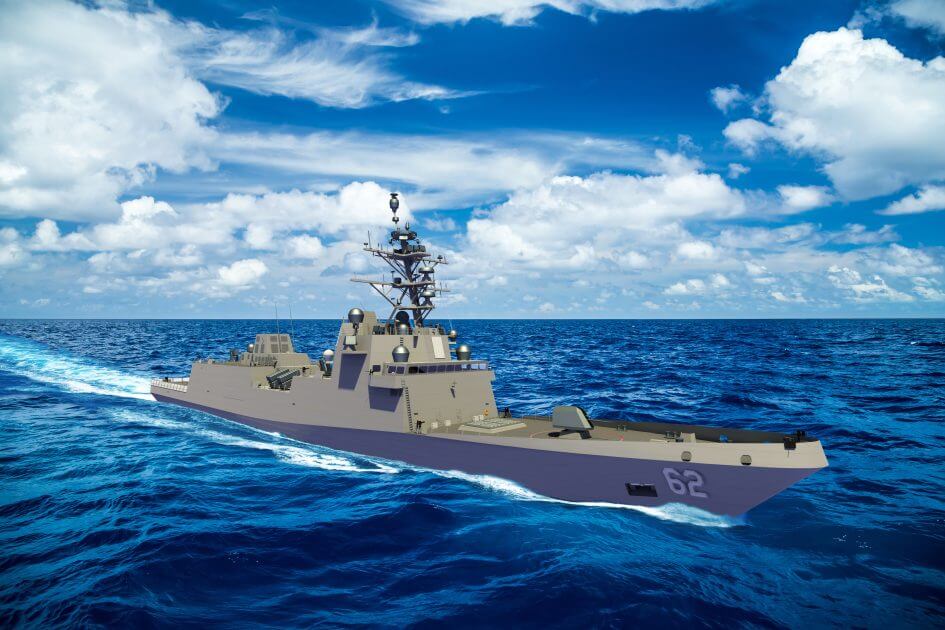
Rendering of USS Constellation (FFG-62). Fincantieri Image

Guest Commentary by Captain David Lennon, USNR (Ret.)

The recent directive from the Senate Armed Services Committee, calling for the U.S. Navy to explore alternative missile-armed ship options, highlights a significant issue: the persistent delays and design challenges with the Constellation class frigate program. As a retired Navy captain, I have witnessed firsthand the impact of such delays on our fleet’s readiness and capability. The committee’s concern is not unfounded, and their call for a “highly producible small surface combatant study” is a necessary step to address the near-term gaps in our naval capabilities.

The Constellation class frigates, envisioned as a modern and versatile addition to the Navy’s fleet, have been plagued by extensive changes to their core design. These modifications have resulted in a projected three-year delay for the delivery of the first ship, the USS Constellation, and similar delays for subsequent ships in the class. Such setbacks not only strain the Navy’s resources but also undermine our strategic readiness, especially in light of the ongoing naval buildup by the People’s Republic of China.

In response to these challenges, the committee has proposed exploring the feasibility of arming other types of ships with missile systems, including large uncrewed surface vessels (LUSVs), amphibious warfare ships, and auxiliary support vessels. This approach could provide a more immediate solution to increase our fleet’s missile-launching capacity. Additionally, the idea of adapting commercial hulls or existing Navy ships with bolt-on or containerized missile launchers presents a practical and cost-effective alternative to waiting for the delayed frigates.

The committee’s report also highlights a broader concern: the projected decline in the number of Navy battle force ships and fleet-wide vertical launch system (VLS) capacity between now and 2027. With the retirement of Ticonderoga class cruisers and Ohio class guided missile submarines, the Navy is facing a significant reduction in its missile-launching platforms. The planned acquisition of new destroyers and uncrewed surface vessels aims to fill this gap, but these solutions are not without their own challenges and timelines.

To address the immediate needs, the committee has outlined specific points for the Navy to study, including the feasibility of a crewed variant of the LUSV and the adaptation of foreign, commercial, or U.S. Government ship designs for missile deployment. This pragmatic approach acknowledges the constraints of the current supply chain and industrial base, while also emphasizing the need for rapid fielding and cost-effective solutions.

The Constellation class frigate program’s delays underscore the complexity and risks associated with modern naval shipbuilding. However, the proactive steps proposed by the Senate Armed Services Committee offer a path forward to mitigate these issues. By exploring alternative platforms and leveraging existing technologies, the Navy can enhance its missile-launching capacity and maintain its strategic advantage.

In conclusion, the committee’s directive represents a critical intervention at a time when our naval capabilities are being closely scrutinized. As we navigate these challenges, it is imperative that the Navy remains adaptable and innovative, ensuring that we continue to meet the demands of an increasingly complex maritime environment.


Captain David Lennon, USNR (Ret.) served in the U.S. Navy for over 30 years, with extensive experience in surface warfare and naval operations.