US Navy Sailors Visit Busan: A Reminder of the Rich History and Importance of US-Korea Alliance

BUSAN, SOUTH KOREA
03.30.2023
Photo by Petty Officer 3rd Class Kevin Tang

Americans for a Stronger Navy is an organization dedicated to supporting the US Navy and promoting a stronger Navy and peace through strength. Our mission is to educate the public on the importance of a strong Navy in maintaining regional stability and national security, and advocate for policies that support a well-funded and well-equipped Navy. By strengthening our military capabilities, we aim to promote peace through strength and deter potential threats.

Historic Visit: US Navy Sailors Visit Busan, A Reminder of the Rich History and Importance of US-Korea Alliance

Today, we want to highlight the recent visit of the US Navy Sailors to Busan, Republic of Korea, and the exercises they participated in alongside Japan and South Korea.

These exercises not only enhance the interoperability and communication between the allied navies but also demonstrate the continued commitment of the US Navy to maintaining a free and open Indo-Pacific.

The US Navy’s long-standing relationship with Busan serves as a reminder of the importance of our alliances and partnerships in promoting regional stability.

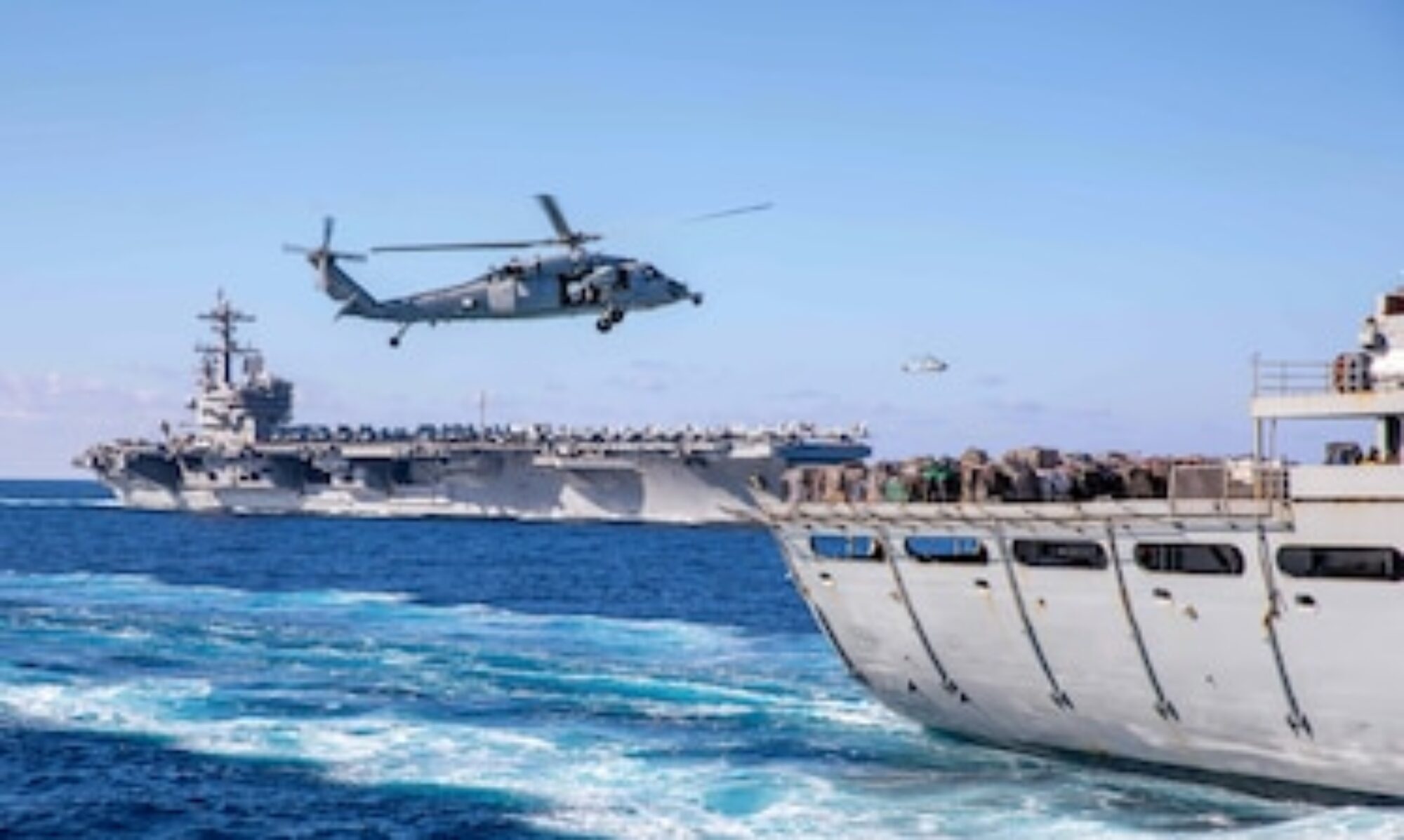
The United States Navy has a rich history of conducting exercises in Korea, and this tradition continues to this day. Recently, U.S. Navy Sailors assigned to the Nimitz Carrier Strike Group (NIMCSG) visited Busan, Republic of Korea to participate in routine operations and exercises. In this blog post, we will summarize the recent exercises that are in the news, highlight the history of the US Navy’s visits to Busan, and express our gratitude to the men and women of the US Navy assigned to the Nimitz Carrier Strike Group.

Recent Exercises:

The recent exercises involving US Navy Sailors, Japan, and South Korea were aimed at enhancing interoperability and communication between the allied navies. These exercises are crucial in preserving a free and open Indo-Pacific and maintaining regional stability. The exercises involved multiple ships and aircraft, and included anti-submarine and anti-air warfare drills.

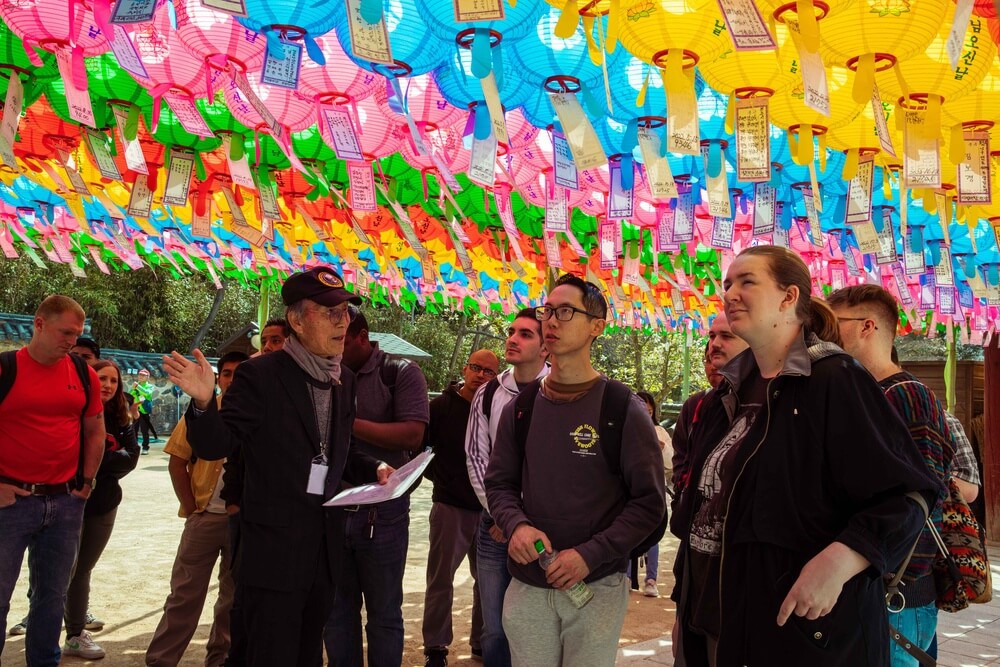
During the exercises, the Nimitz Carrier Strike Group conducted a guided tour of Busan, Republic of Korea provided by Morale, Welfare and Recreation. This tour provided an opportunity for the Sailors to experience the local culture and build relationships with the local community.

History of US Navy visits to Busan:

The US Navy has a long history of visiting Busan, Republic of Korea. Busan has a deep-water port that is strategically located at the southern end of the Korean peninsula, making it an important location for US Navy operations. During the Korean War, Busan served as the main port of entry for US troops and supplies. Since then, the US Navy has continued to conduct exercises and operations in Busan, strengthening the relationship between the US and South Korea.

Gratitude to the US Navy:

We would like to express our gratitude to the men and women of the US Navy assigned to the Nimitz Carrier Strike Group. These Sailors work tirelessly to protect our nation and promote regional stability. Their dedication to duty and professionalism are a testament to the values of the US Navy.

Conclusion:

The recent exercises involving US Navy Sailors, Japan, and South Korea are a reminder of the importance of our alliances and partnerships in maintaining regional stability. The US Navy has a long history of visiting Busan, Republic of Korea, and this tradition continues to this day. We are grateful for the men and women of the US Navy who serve with honor and distinction, and we look forward to the continued partnership between the US and South Korea.

Honoring the Service of US Navy Sailors: A Look at the Pictures from their Historic Visit to Busan
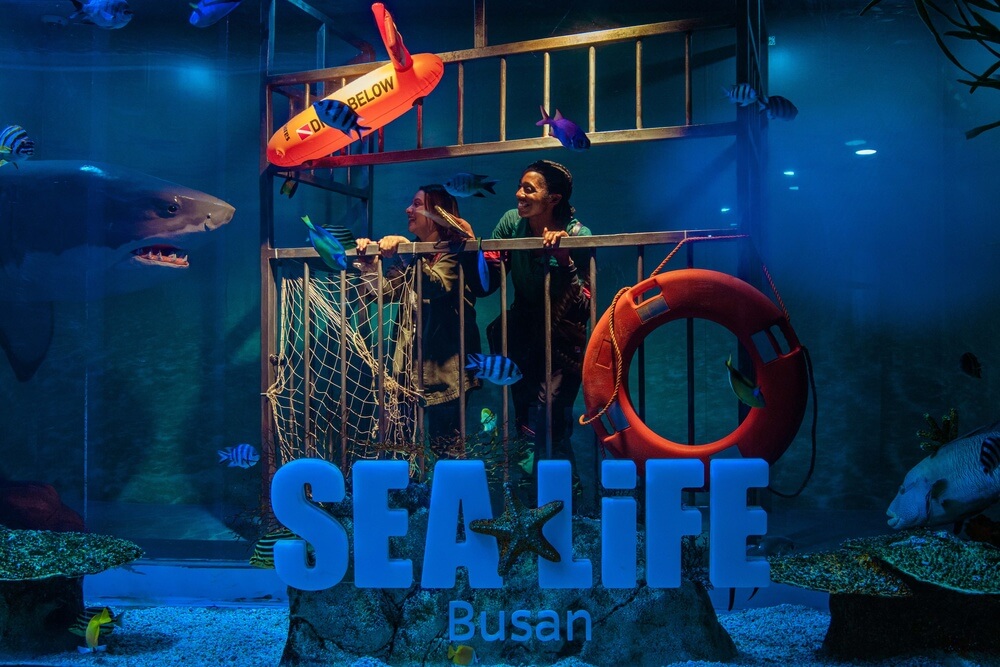
BUSAN, Republic of Korea (March 29, 2023) U.S. Navy Machinist’s Mate 3rd Class Keirra Jackson, right, from Nashville, Tenn., and Fireman Autumn Behee, from San Antonio, assigned to the Nimitz Carrier Strike Group (NIMCSG) explore Busan during a Morale, Welfare and Recreation tour. NIMCSG is in the U.S. 7th Fleet conducting routine operations. 7th Fleet is the U.S. Navy’s largest forward-deployed numbered fleet, and routinely interacts and operates with Allies and partners in preserving a free and open Indo-Pacific region. (U.S. Navy photo by Mass Communication Specialist 3rd Class Kevin Tang)
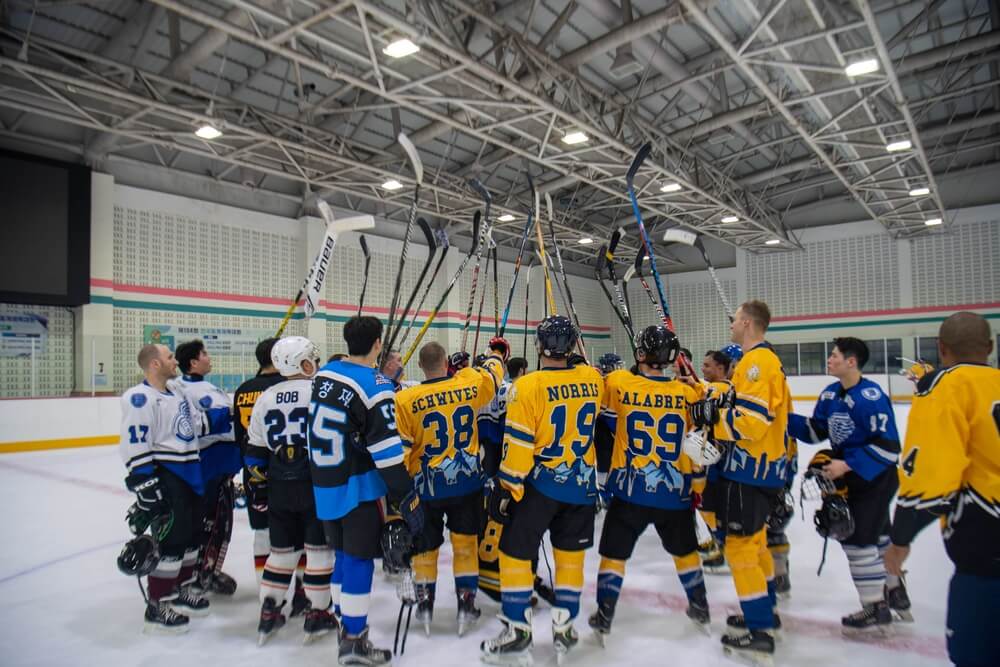
U.S. Navy Sailors assigned to the aircraft carrier USS Nimitz (CVN 68) and members of the Busan Blue Wings display a gesture of sportsmanship following a hockey match. Nimitz is in U.S. 7th Fleet conducting routine operations. 7th Fleet is the U.S. Navy’s largest forward-deployed numbered fleet, and routinely interacts and operates with Allies and partners in preserving a free and open Indo-Pacific region. (U.S. Navy photo by Mass Communication Specialist 2nd Class Justin McTaggart)
Lt. John Mulligan guides Sailors assigned to the Nimitz Carrier Strike Group (NIMCSG) during a tour of the demilitarized zone dividing the Korean peninsula. NIMCSG is in U.S. 7th Fleet conducting routine operations. 7th Fleet is the U.S. Navy’s largest forward-deployed numbered fleet, and routinely interacts and operates with Allies and partners in preserving a free and open Indo-Pacific region. (U.S. Navy photo by Mass Communication Specialist 2nd Class John Breen)

Welcome Home USS Barry (DDG-52)

USS Barry (DDG-52)

Dear Crew of the USS Barry,

Welcome home! On behalf of Americans for a Stronger Navy, we want to express our deepest appreciation and gratitude for your service to our country over the past six years.

The USS Barry has accomplished so much during its time in Japan, including participating in several multinational exercises and conducting numerous successful operations in the Indo-Pacific region. Your service has helped to promote stability, peace, and security in the region, and we are all incredibly proud of the contributions you have made to the defense of our nation.

Serving your country is an incredible honor and a cherished responsibility that is respected and admired by those at home. Your efforts to protect our freedoms and values, and we are grateful for your unwavering dedication and commitment to duty. Your service and sacrifice remind us of the importance of the Navy’s mission and the vital role it plays in ensuring the safety and security of our nation.

We know that the past six years have been challenging, with long deployments and time away from family and loved ones. We are grateful for the sacrifices you have made and the personal challenges you have overcome to serve our country.

We hope that as you reunite with your families and loved ones, you feel the gratitude and appreciation of a grateful nation. Thank you for your service, and your dedication to the Navy and to our country.

Sincerely, Americans for a Stronger Navy

Barry’s namesake honors Commodore John Barry, the Father of the American Navy, Revolutionary War hero, and first commissioned officer in the United States Navy. Barry is assigned to Destroyer Squadron (DESRON) 15, the Navy’s largest forward-deployed DESRON and the U.S. 7th Fleet’s principal surface force.

#ussbarry. #ddg52

Retention award for USS George Washington

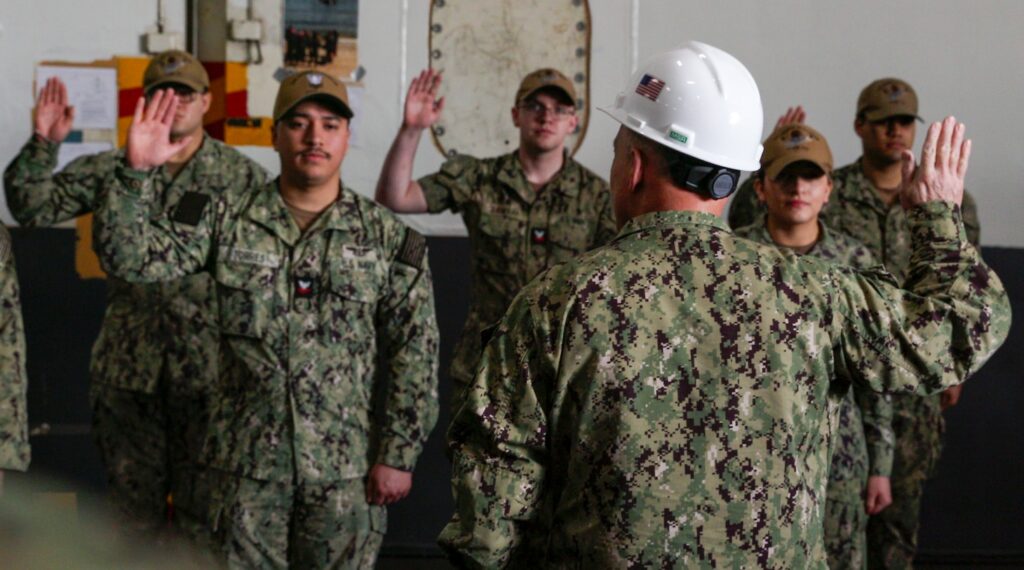
Chief of Naval Operations Adm. Mike Gilday officiates a re-enlistment aboard USS George Washington. The ship received the FY-22 Retention Excellence Best in Class award for U.S. Pacific Fleet.

The USS George Washington, a nuclear-powered aircraft carrier, has been awarded the Distinguished Retention Excellence Award for the 2020 retention cycle. The award recognizes the ship’s outstanding performance in retaining its talented sailors and ensuring that they are able to serve at their highest potential. The ship’s commanding officer praised the crew’s hard work and dedication in achieving this honor, and emphasized the importance of retaining top talent to maintain the ship’s readiness and effectiveness.

The USS George Washington is the fourth United States Navy ship to be named after George Washington, the first president of the United States. Its commissioning in 1992 marked the first time a nuclear-powered aircraft carrier had been built in over a decade, and it has since played a significant role in various military operations and humanitarian missions around the world. The ship can carry up to 90 aircraft and has a crew of over 5,000 personnel, making it one of the largest and most powerful warships in the world.