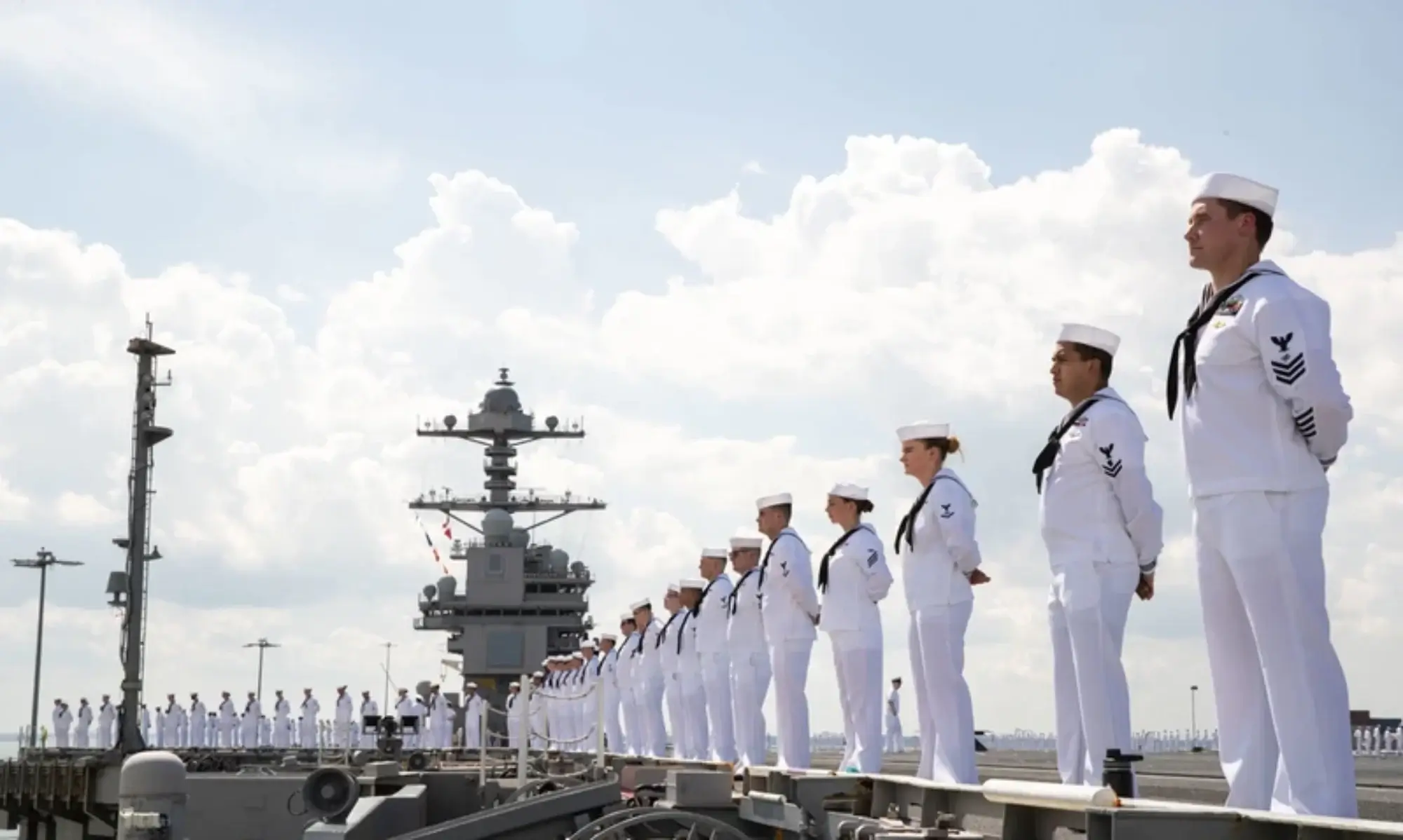
The Red Sea, a vital artery for global trade, faces increasing threats from Houthi rebels in Yemen. These threats put millions of tons of cargo and countless innocent lives at risk. However, the US Navy, through its unwavering commitment and advanced capabilities, stands as a guardian of this critical waterway.
Houthi Escalation and US Response:
Recent Attacks: The Houthis have intensified attacks on commercial vessels in the Red Sea, raising concerns about maritime security and economic stability. These attacks threaten the free flow of trade, impacting vital resources like food and fuel.
US-UK Strikes: In response, the US and UK launched precision strikes against Houthi targets associated with missile and surveillance capabilities. These actions, conducted with support from allies, aimed to disrupt Houthi attacks and deter future aggression.
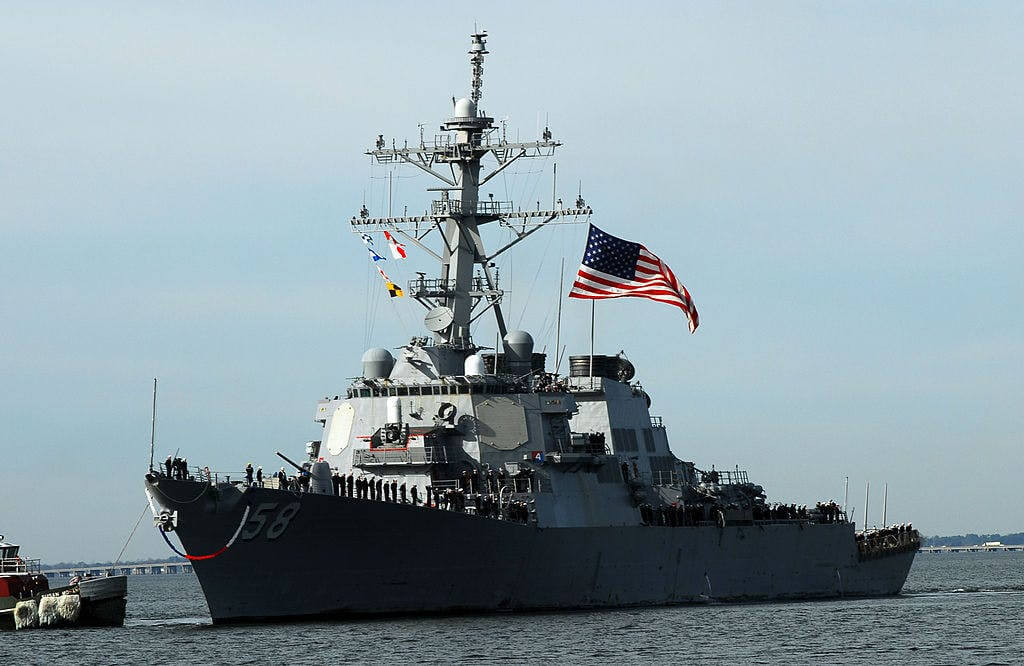
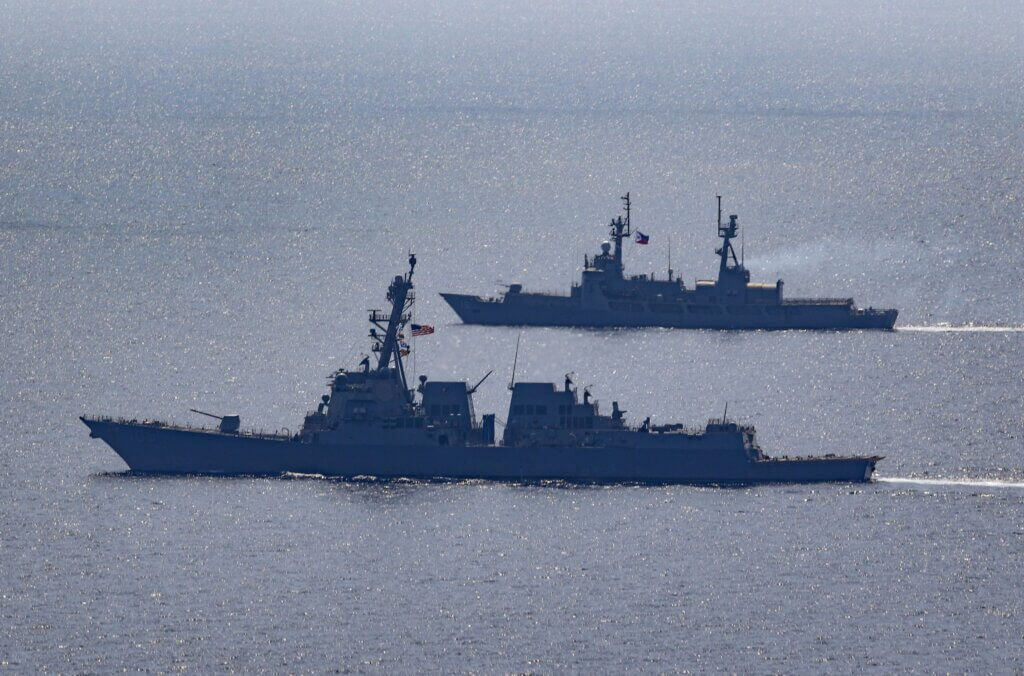
USS Laboon, USS Carney (DDG-64) and USS Gravely (DDG-107) and F/A-18 Super Hornets: At the forefront of this mission stands the USS Laboon and USS Carney (DDG-64) and USS Gravely (DDG-107), a guided-missile destroyers patrolling the Red Sea alongside F/A-18 Super Hornets from the USS Dwight D. Eisenhower. These powerful assets demonstrate the US Navy’s commitment to regional security and freedom of navigation.
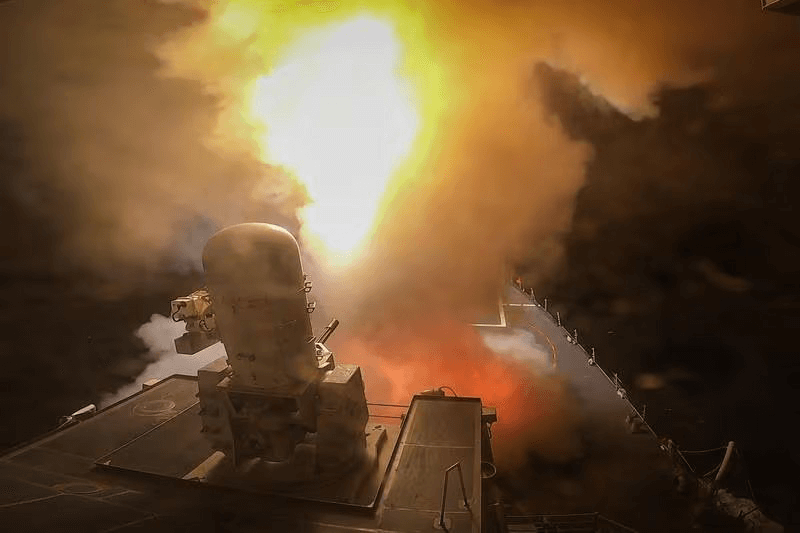
Guided-missile destroyers USS Carney (DDG-64) and USS Gravely, (DDG-107) fired an unspecified number of Tomahawk Land Attack Missiles at the Houthi targets in Yemen while the Super Hornets used Joint Direct Attack Munition against the targets according to U.S. Centcom.
Key Takeaways:
Heightened Tensions: The Red Sea remains a volatile region with ongoing threats from the Houthis. Continued vigilance and proactive measures are crucial to ensure the safety of maritime traffic.
US Leadership: The US Navy plays a pivotal role in maintaining regional stability and safeguarding global trade. Its presence and robust capabilities deter adversaries and assure allies.
Multifaceted Approach: Addressing the complex situation in the Red Sea requires a multifaceted approach. The US Navy’s actions go hand-in-hand with diplomatic efforts and partnerships to de-escalate tensions and find lasting solutions.
Why America Should Care:
Economic Security: The Red Sea carries approximately 10% of the world’s trade, including vital resources for the US and its allies. Disruptions to this trade route could have significant economic consequences.
National Security: A secure Red Sea is crucial for US national security interests. Unimpeded maritime trade ensures the timely delivery of military supplies and facilitates cooperation with regional partners.
Global Stability: The US Navy’s role in the Red Sea contributes to international security and stability. A peaceful and navigable Red Sea benefits all nations reliant on this critical waterway.
Conclusion:
The US Navy’s presence in the Red Sea is not just a symbol of American strength, but a commitment to global security and prosperity. Through its advanced capabilities, unwavering resolve, and partnerships, the Navy safeguards vital trade routes and protects innocent lives. As Americans for a Stronger Navy, we recognize and appreciate the dedication of our sailors and the critical role they play in securing the Red Sea for America and the world.
Welcome to ‘Charting the Course: Navigating the Future of American Naval Power’.
Today, we’re honored to welcome Dr. Scott Savitz, a renowned senior engineer at the RAND Corporation.
Dr. Savitz is distinguished for his innovative approaches in leveraging new technologies and tactics to enhance the operational capabilities and resilience of military forces. With a profound commitment to advancing defense strategies, he holds a bachelor’s degree in chemical engineering from Yale University, and a master’s degree and Ph.D. in the same field from the University of Pennsylvania.
As a prominent figure in defense analysis, Dr. Savitz has led pivotal research in areas such as the impact of non-lethal weapons, the integration of uncrewed platforms in military strategies, and the evaluation of military capability gaps in challenging environments like the Arctic. His insightful studies have provided crucial perspectives on strategic investments in emerging technologies by global military powers and the infrastructural needs for testing autonomous systems.
Dr. Savitz’s analysis on intelligence, threats to U.S. ports, and maritime domain awareness are invaluable for shaping future naval operations. His work also extends to historical insights on warship design and strategies for reducing airbase vulnerabilities. His comprehensive expertise and innovative research have significantly contributed to the understanding and development of contemporary military strategies.
He will delve into the roles of artificial intelligence, big data, and machine learning, guiding us through the complex landscape of modern naval strategies and challenges. During the session, Dr. Savitz will address the transformative impact of non-lethal weapons and uncrewed vessels on naval warfare and seapower. He will discuss the strategic roles of these technologies in reshaping U.S. Navy tactics amidst global threats and competition.
By examining the integration of advanced systems, such as artificial intelligence and autonomous platforms, Dr. Savitz will highlight how these innovations can offer the Navy a strategic advantage while also considering the associated risks and ethical complexities. Furthermore, he will explore the potential of these technologies to enhance cooperation with international allies and their influence on the Navy’s evolving doctrine and culture. His insights will contribute significantly to the ongoing discussions about the future role of non-lethal and uncrewed technologies in national and global maritime security.
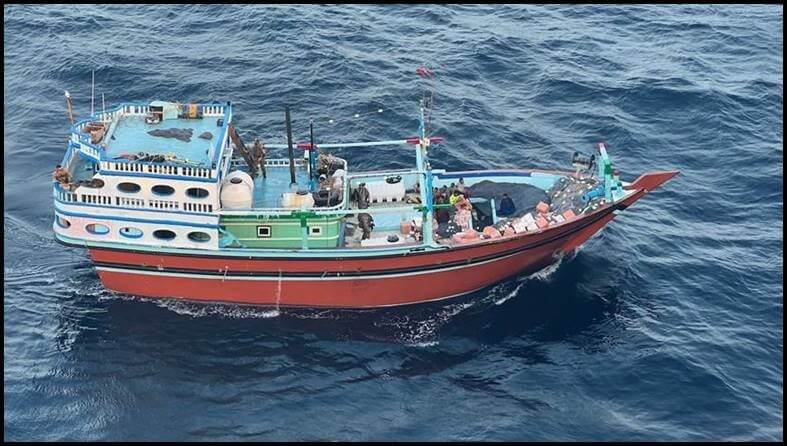
Photo shows the dhow transporting Iranian weapons to Houthi forces in Yemen. Photo: U.S. Central Command
A Perspective for Americans for a Stronger Navy
In the ever-evolving landscape of global maritime security, the U.S. Navy remains a pivotal force in maintaining the safety and order of international waters. The recent U.S. Navy operation, reported by Fox News offers a compelling example of this critical role.
A Decisive Operation in the Arabian Sea
On January 11, 2024, U.S. Navy SEALs aboard the USS LEWIS B PULLER, supported by helicopters and unmanned aerial vehicles (UAVs), executed a complex night-time boarding of a dhow near the coast of Somalia. This operation, as detailed by news outlets resulted in the seizure of Iranian-made ballistic and cruise missile components intended for Houthi forces in Yemen. This significant interdiction not only disrupts the plans of those seeking to destabilize the region but also safeguards innocent mariners and vital shipping lanes.
The High Stakes of Maritime Security
The seized weapons, which include propulsion, guidance, and warheads for medium-range ballistic missiles and anti-ship cruise missiles, have been employed by the Houthis in their attacks against international merchant ships in the Red Sea. This seizure marks the first of its kind since the beginning of Houthi attacks against merchant ships in November 2023 and the first seizure of Iranian-manufactured advanced missile components by the U.S. Navy since November 2019. This operation underlines the Navy’s crucial role in enforcing international law and UN Security Resolution 2216.
The Cost of Vigilance
Tragically, this operation also involved the loss of two brave U.S. Navy SEALs, as reported by U.S. Central Command (USCENTCOM). Their sacrifice is a stark reminder of the risks our service members face in securing our seas and the importance of supporting our naval forces.
The Broader Context: Iran’s Involvement
As news reports, the operation sheds light on Iran’s continued shipment of advanced lethal aid to the Houthis, a clear violation of U.N. Security Resolution 2216 and international law. This situation highlights the broader geopolitical challenges in the region and the need for a strong naval presence to counter such destabilizing activities.
Moving Forward
As members and friends of Americans for a Stronger Navy, we must advocate for a well-equipped and robust naval force. The recent operations by the USS LEWIS B PULLER are a testament to the Navy’s commitment to global maritime security. Let us continue to support our Navy in its crucial mission to maintain peace and stability on the high seas.
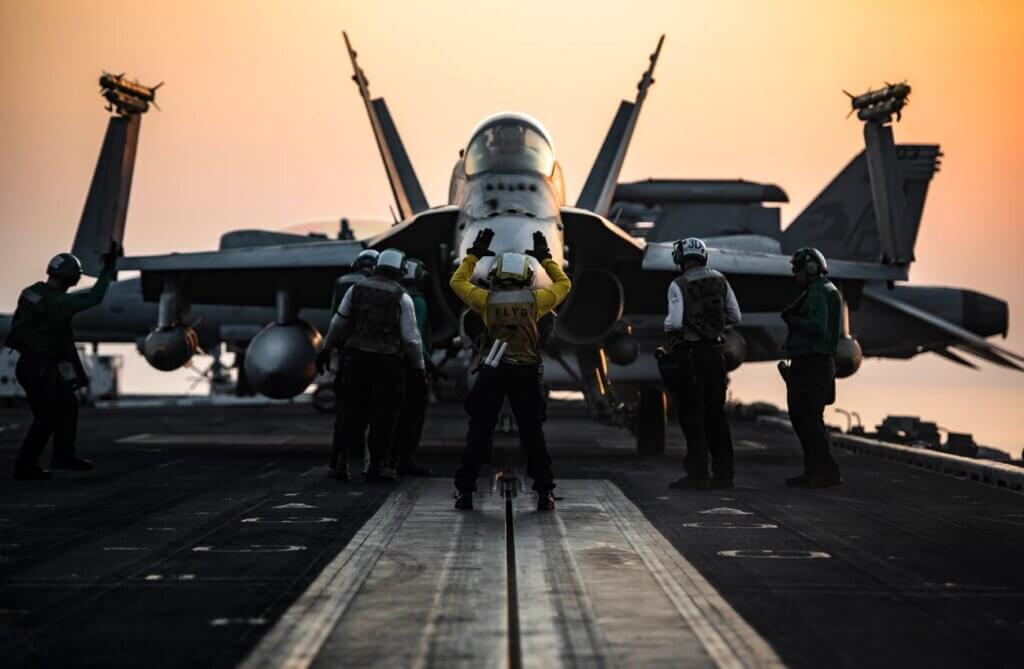
A combat-loaded F/A-18C taxis to the catapult aboard the USS Dwight D. Eisenhower.
In a significant escalation of military action, the U.S. Navy, in coordination with the U.K., has conducted a series of targeted strikes against Houthi militants in Yemen. This action, reported by Heather Mongilio of USNI News, comes as a direct response to the Houthis’ continued aggression against commercial shipping in the Middle East.
Strikes Across Air, Surface, and Subsurface:
The offensive involved a diverse array of military assets:
Air Force strike fighters from a base in the Middle East and Super Hornets from USS Dwight D. Eisenhower (CVN-69) participated.
Tomahawk Land Attack Missiles were launched from naval ships in the Red Sea and potentially from the Ohio-class guided-missile submarine USS Florida (SSGN-728).
The strike occurred around 2:30 a.m. local time, closely following a Houthi missile attack in the Gulf of Aden.
U.K.’s Involvement:
U.K. Secretary of State for Defence Grant Shapps confirmed on social media that four Royal Air Force Typhoon FGR4s conducted precision strikes on two key Houthi military targets in Bani and Abbs, Yemen. These sites were instrumental in the Houthis’ drone and missile operations.
U.S. Strike Details:
The U.S. targeted 60 locations, aiming at munition depots, command nodes, and systems critical to the Houthis’ drone and missile capabilities. This was part of a concerted effort to degrade their ability to threaten maritime security.
International Support:
The operation was supported by Australia, Bahrain, Canada, and the Netherlands, highlighting a unified stance against threats to international navigation.
No Immediate Houthi Response:
As of the evening of January 12, there has been no reported retaliation from the Houthis. The strikes are separate from Operation Prosperity Guardian, which focuses on defending commercial shipping in the Red Sea.
U.S. Defense Secretary’s Statement:
Secretary of Defense Lloyd Austin emphasized that these actions are meant to disrupt the Houthis’ ability to jeopardize global trade and mariner safety. He stated, “Today’s coalition action sends a clear message to the Houthis that they will bear further costs if they do not end their illegal attacks.”
Context of the Attacks:
The Houthis have been launching attacks since October 19, 2023, with the U.S. and allies sending a clear warning to cease such actions. Despite these warnings, the Houthis have continued their attacks, including on U.S. and coalition military vessels.
U.K. Prime Minister’s Statement:
U.K. Prime Minister Rishi Sunak condemned the Houthi actions as destabilizing and dangerous, reiterating the U.K.’s commitment to freedom of navigation and the free flow of trade.
Conclusion:
This coordinated response by the U.S. and U.K. signifies a strong stance against threats to international shipping and stability in the region. The situation remains dynamic, and further developments will be closely monitored and reported.
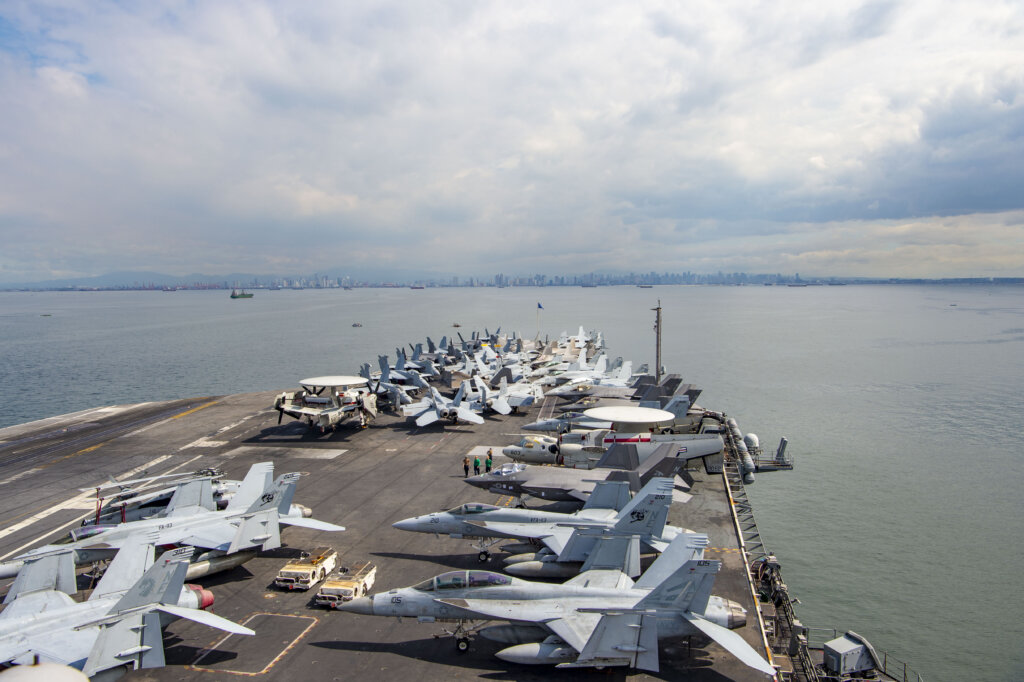
Nimitz-class aircraft carrier USS Carl Vinson (CVN 70) sets anchors in Manila, Philippines. USS Carl Vinson is in the Philippines for a port visit, supporting operational readiness and regional partnerships.
To Members and Friends,
In these rapidly evolving times, the strategic landscape of the South China Sea is more critical than ever to our national security and maritime interests. Recent events in this region, coupled with the burgeoning naval capabilities of our potential adversaries, underline the urgency of our mission at “Americans for a Stronger Navy.”
Rising Tensions in the South China Sea
The South China Sea, a hub of global maritime traffic and rich in resources, has become a focal point for international power dynamics. The U.S. and China have conducted significant military exercises in these waters, signaling the area’s strategic importance. This tense atmosphere was further amplified by a recent collision involving Philippine and Chinese vessels near a disputed reef, highlighting the area’s volatility.
China’s Escalating Naval Dominance
As reported in the Jan. 2 issue of the Wall Street Journal by Seth G. Jones of CSIS, the Chinese navy’s expansion is a cause for concern. Not limited to the sheer number of ships, China’s ominous growth in shipbuilding capacity is particularly alarming. With a staggering capacity of 23 million tons, one Chinese shipyard on Changxing Island alone surpasses the combined capacity of all U.S. shipyards. This disparity in shipbuilding capabilities is a stark reminder of the challenges we face in maintaining our naval strength and readiness.
Global Defense Spending: A Comparative Analysis
In the shadow of these developments, nations like Japan have significantly increased their defense budgets in response to Chinese expansionism.
Japan’s defense allocation now stands at USD 47.7 billion, a 16.5% increase. However, when compared to China’s defense expenditure of USD 292 billion in 2022 (as reported by SIPRI), the imbalance becomes evident.
The United States, with a defense budget of $877 billion, continues to lead in absolute terms, but when viewed as a percentage of GDP, our current spending of 3% is notably lower than historical highs during previous administrations.
Why Should America Care
The implications of these developments extend far beyond the territorial disputes of the South China Sea. They touch upon fundamental aspects of international law, freedom of navigation, and the global balance of power. The United States, with its longstanding commitment to these principles, must view the situation in the South China Sea as a barometer for broader geopolitical shifts.
Conclusion
In light of Seth G. Jones’ report and the ongoing developments in the South China Sea, it’s evident that our mission is more pertinent than ever. The gap in shipbuilding capacity, coupled with the varying levels of defense expenditure globally, highlights the need for a robust and forward-looking U.S. naval strategy. We must advocate for the resources and policies necessary to ensure that our Navy remains capable of meeting these emerging challenges.
As we face these uncertain times, your support and engagement with “Americans for a Stronger Navy” are invaluable. Together, we stand vigilant, advocating for a Navy that is not only strong today but is prepared for the challenges of tomorrow.
For Freedom and Security, Americans for a Stronger Navy
Houthi Missiles and Drones Threaten Red Sea Shipping, Endangering Global Trade and the US Navy
Recent Attack:
On December 26, 2023, three commercial ships in the Red Sea were struck by ballistic missiles fired from Houthi-controlled Yemen. The US Navy responded by shooting down three drones launched by the Iranian-backed rebel group. This latest attack highlights the ongoing threat posed by the Houthis to this vital shipping lane, which carries about 10% of the world’s trade and 5% of its oil.
The Houthi Threat:
The Houthis are a Shia Muslim minority group in Yemen that has been fighting the internationally recognized government since 2014, with support from Iran. They control large parts of the country, including the capital Sanaa and the port of Hodeidah. They have also launched hundreds of drone and missile attacks on Saudi Arabia, which leads a coalition of Arab states supporting the Yemeni government.
Strategic Importance of the Red Sea:
The Red Sea is a critical waterway connecting the Mediterranean Sea and the Indian Ocean. It is used by ships from Europe, Asia, Africa, and the Middle East, carrying essential goods like oil, gas, food, and weapons. The Bab al-Mandab Strait, a narrow chokepoint at the southern entrance to the Red Sea, is only 18 miles wide at its narrowest point. This strategic location makes the Red Sea crucial for the US Navy, which uses it to access the Arabian Sea and the Persian Gulf, where it maintains a strong presence to counter Iran and protect its allies.
Houthi Justifications and Weapons:
The Houthis claim their attacks on ships are in response to the Saudi-led blockade of Yemen, which has caused a devastating humanitarian crisis. They also claim to target vessels linked to Israel, in solidarity with the Palestinians. However, these claims lack evidence, and the Houthis have shown disregard for the civilian and commercial nature of the ships they attack.
The Houthis use sophisticated weapons, including anti-ship cruise missiles, ballistic missiles, and explosive-laden drones, believed to be supplied by Iran.
US Navy Response and Challenges:
The US Navy monitors and responds to Houthi attacks to ensure freedom of navigation and maritime security. It has deployed warships like the USS Eisenhower aircraft carrier and destroyers to the Red Sea, intercepting and shooting down Houthi missiles and drones. The Navy also launched a global patrol mission in December 2023 to protect ships from the Houthi threat and collaborates with allies like the UK, France, and Japan.
However, the Navy faces challenges:
Balancing resources with other regional threats.
Operating in a complex and congested environment.
Respecting international law and the sovereignty of other countries.
Implications and Consequences:
The Houthi attacks have significant implications:
Growing Iranian influence and aggression in the region.
Increased sophistication and capability of the Houthis.
Vulnerability of the Red Sea as a strategic waterway and trade route.
Potential for economic and environmental damage.
Escalation of conflict and instability in the region.
Need for the US Navy to maintain its presence and cooperate with allies.
Why America Should Care:
The Houthi attacks matter to America because they:
Affect national security and economic prosperity.
Reflect values like freedom, democracy, and human rights.
Represent an opportunity to promote peace and stability in the region.
Conclusion:
The Houthi attacks on ships in the Red Sea pose a serious threat to global trade and the US Navy. The US Navy is responding to these attacks but faces challenges. America should care about this issue due to its potential impact on national security, economic prosperity, and global values.
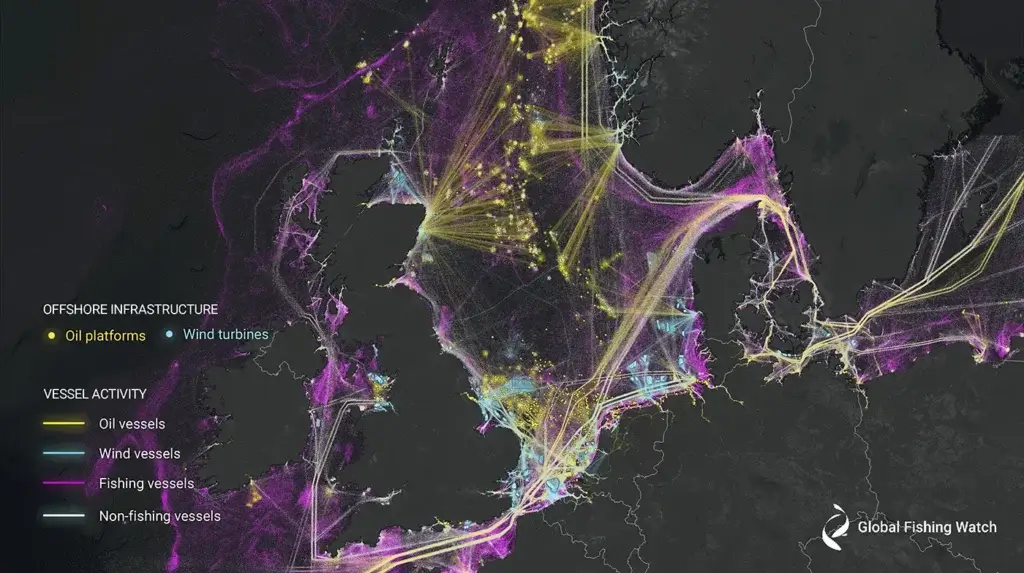
In the vast expanse of our oceans, a groundbreaking discovery has been made, shedding light on what has been hidden in plain sight. A recent study by Global Fishing Watch, backed by Google, has unveiled an astonishing level of previously untracked human activity at sea, posing significant implications for maritime policy, environmental conservation, and national security.
Unveiling the Unseen
Researchers utilized AI and satellite data to reveal that a staggering 72 to 76 percent of the world’s industrial fishing vessels, along with a significant portion of transport and energy vessel activity, were not being tracked by public systems. This study, involving a massive analysis of 2 million gigabytes of satellite imagery across six continents, highlights the collaboration among Global Fishing Watch, the University of Wisconsin-Madison, Duke University, UC Santa Barbara, and SkyTruth. The findings also showed a large presence of ‘dark fleets’ in marine protected areas and in countries previously believed to have minimal vessel activity.
Why This Matters
The discovery of such a high number of ‘dark vessels’ raises critical concerns about overfishing, illegal activities, and the environmental impact of unregulated maritime operations. The study revealed a stark discrepancy in fishing activity between Asia and Europe, illustrating the scale of unmonitored fishing activities and the need for improved surveillance and tracking systems
Implications for the Navy
This revelation has several key implications for naval operations:
Enhanced Surveillance and Security: Adapting surveillance techniques to effectively monitor these vessels is crucial for maritime security.
Maritime Domain Awareness: The data aids in understanding traffic patterns and deploying naval resources more effectively.
Environmental Protection Role: The Navy could enforce environmental regulations at sea.
International Collaboration: The findings highlight the importance of global cooperation in maritime surveillance.
Technological Advancements: This could inspire the use of similar AI and satellite imagery technologies in naval operations.
Should Americans Care?
Absolutely. The security and sustainability of our oceans have direct impacts on national security, economic stability, and environmental health. The study’s technology can be used to combat climate change, improving estimates of greenhouse gas emissions at sea and guiding wind development.
Conclusion
The open data and technology used in the study can help governments, researchers, and civil society to identify hotspots of potentially illegal activity, determine where industrial fishing vessels may be encroaching on artisanal fishing grounds, or simply better understand vessel traffic in their waters. Supported by Bloomberg Philanthropies, National Geographic Pristine Seas, Oceankind, and Google, this study marks the beginning of a new era in ocean management and transparency.
This study is a wake-up call to the hidden realities of our oceans and a call to action for enhanced global maritime governance and technological advancements in ocean monitoring.
Welcome to ‘Charting the Course: Navigating the Future of American Naval Power’.
In this insightful episode, we have the honor of featuring Dr. Bruce Jones, a distinguished expert from the Talbot Center on Security, Strategy, and Technology, and the Center on East Asia Policy. Dr. Jones, known for his acclaimed work ‘To Rule the Waves’, brings a wealth of knowledge to our discussion on the critical issues shaping maritime power in our rapidly evolving global landscape.
Join us as we continue ‘Charting the Course’ for American Naval Power, exploring how maritime trade and security are pivotal in shaping the world order.”
In our dynamic global environment, we explore pressing questions:
Are we entering a new era of maritime power struggles due to climate change and intensified sea-based globalization?
What constitutes ‘ruling the waves’ in terms of maritime shipping dominance? How are factors like ship ownership, port control, and trade flow interconnected?
Dr. Jones discusses the vulnerability of container-based supply chains. Can he provide a specific incident of piracy or disruption that caused substantial economic impact?
What emerging threats, such as cyberattacks, climate disruptions, and political instability, are facing container shipping, and how can the US Navy and other stakeholders respond?
How will technological advancements like automation and AI reshape the future of container shipping, and what are the implications for efficiency, security, and workforce dynamics?
What is the current state of global trade, naval power, and the impact of climate change on oceans? What challenges and implications do these trends pose for the future world order?
Finally, how does the history of maritime trade and power mirror the patterns of post–Cold War globalization, with historical examples to support this relation?
The Philippine and US Navy have initiated high-stakes joint maritime drills in the South China Sea, as regional tensions with China continue to escalate. This marks a significant step in defense cooperation between the two nations.
Joint Maritime Exercise Details
The drills, starting on January 3, 2024, are the second such exercise in less than two months, highlighting the increasing frequency and intensity of military cooperation in the face of Chinese assertiveness in the region. Philippine President Ferdinand Marcos Jr. has been actively strengthening defense ties with the US, as well as other allies like Japan and Australia, in response to China’s expansive claims over the South China Sea.
NHK World-Japan has confirmed that the Philippines and the United States began a two-day joint patrol in the South China Sea, underscoring the ongoing dispute in the region.
The Japan Times has reported that China conducted navy and air force patrols in the South China Sea, coinciding with the maritime drills by the U.S. and the Philippines in the same
China’s Foreign Minister Wang Yi has expressed concerns over these developments, indicating “serious difficulties” in Beijing-Manila relations. The exercises included a variety of naval maneuvers and operations, involving multiple vessels and aircraft from both nations, aimed at enhancing interoperability and sending a strong message about the commitment to a rules-based international order and a free and open Indo-Pacific region.
Takeaways
Increased Frequency of Drills: The recent exercises underscore a growing pattern of joint military operations in the region.
Strengthening Alliances: The Philippines is actively enhancing defense relations with the US and other regional powers.
China’s Reaction: China’s response to these drills indicates a growing concern and potential diplomatic strain with the Philippines.
Focus on a Rules-based Order: The drills are a clear message to uphold international maritime laws and freedom of navigation in the contested waters.
The joint maritime exercises between the Philippines and the US represent a significant development in regional defense dynamics. They not only demonstrate the robustness of the Philippine-US alliance but also signify a broader commitment to maintaining stability and a rules-based order in the South China Sea amidst rising tensions.
The U.S. Navy destroyer Carney shot down multiple missiles and drones fired by Iranian-backed Houthi rebels in Yemen on U.S. Navy
The US Navy has a vital role in ensuring the security and stability of the Middle East and the world. However, recent events have shown that the Navy is facing new and complex threats in the Red Sea and the Suez Canal, two strategic waterways that connect Europe, Asia and Africa.
Why the Red Sea matters
The Red Sea is a narrow and shallow body of water that separates Africa from the Arabian Peninsula. It is a crucial route for global trade, as it links the Mediterranean Sea to the Indian Ocean through the Suez Canal. According to the US Energy Information Administration, about 9% of the world’s seaborne oil trade passes through the Red Sea.
The Red Sea is also a hotspot for regional conflicts and tensions. On one side, there is Yemen, where a civil war has been raging since 2014 between the internationally recognized government and the Iran-backed Houthi rebels. The Houthis have repeatedly attacked Saudi Arabia, a US ally and the leader of a coalition that supports the Yemeni government, with missiles, drones and naval mines. The Houthis have also targeted commercial ships and oil tankers in the Red Sea, posing a threat to maritime security and the global energy supply
On the other side, there is Egypt, which controls the Suez Canal and has a long-standing rivalry with Ethiopia over the Nile River. Ethiopia is building a massive hydroelectric dam on the Nile, which Egypt fears will reduce its share of the water and endanger its food security. The dispute has escalated into a diplomatic crisis, with both countries accusing each other of violating international law and threatening military action. The US has tried to mediate the conflict, but so far without success.
Why the Suez Canal matters
The Suez Canal is a man-made waterway that connects the Mediterranean Sea to the Red Sea. It was built by the French in the 19th century and nationalized by Egypt in 1956, sparking a war with Britain, France and Israel. The canal was closed twice in the 20th century, during the Suez Crisis of 1956 and the Six-Day War of 1967, disrupting global trade and triggering oil crises. The canal was reopened in 1975 and has since been expanded and modernized to accommodate larger ships and more traffic.
The Suez Canal is one of the most important chokepoints in the world, as it allows ships to avoid the long and costly detour around Africa. According to the Suez Canal Authority, about 50 ships pass through the canal every day, carrying about 12% of the world’s trade and 8% of the world’s oil. The canal is also a strategic asset for the US Navy, as it enables the rapid deployment of naval forces from the Mediterranean to the Indian Ocean and vice versa.
The Suez Canal, however, is not immune to accidents and disruptions. In March 2021, a giant container ship, the Ever Given, ran aground in the canal and blocked it for six days, causing a massive traffic jam and a global supply chain crisis. The incident highlighted the vulnerability of the canal to human error, technical failure and bad weather. It also raised questions about the adequacy of the canal’s infrastructure, management and security
Why America should care
The US has a vital interest in maintaining the security and stability of the Red Sea and the Suez Canal, as they are essential for the global economy, the energy market and the regional balance of power. The US also has a moral and legal obligation to protect its allies and partners in the region, such as Saudi Arabia, Israel and Egypt, from external and internal threats.
The US Navy, therefore, has a key role in safeguarding the freedom of navigation and the flow of commerce in these waterways. The Navy has deployed several ships and aircraft to the region, including the USS Carney, a guided-missile destroyer that has shot down several drones launched by the Houthis in the Red Sea.
In addition to the USS Carney, the US Navy has also announced a new international mission to counter the escalating Houthi attacks on ships in the Red Sea. The mission, dubbed Operation Sentinel, aims to enhance maritime security and deter aggression in the region. The US will work with its allies and partners, such as Saudi Arabia, the United Arab Emirates, and the United Kingdom, to provide escort and surveillance services to commercial vessels and ensure the freedom of navigation in the vital waterway. The Navy has also offered to help the Egyptian authorities to clear the Suez Canal after the Ever Given incident.
However, the Navy also faces new and complex challenges in the region, such as the increasing sophistication and proliferation of the Houthi weapons, the rising tensions and potential conflicts between Egypt and Ethiopia, and the growing influence and presence of other actors, such as Russia, China and Iran. The Navy also has to balance its resources and priorities with other regions, such as the Indo-Pacific and Europe, where it faces similar or greater threats.
The US Navy, therefore, needs to adapt and innovate to cope with the changing dynamics and demands in the Red Sea and the Suez Canal. The Navy needs to enhance its intelligence, surveillance and reconnaissance capabilities, to detect and deter any hostile or suspicious activities in the region. The Navy also needs to strengthen its cooperation and coordination with its allies and partners, to share information, resources and responsibilities. The Navy also needs to invest in its infrastructure, technology and personnel, to ensure its readiness and resilience.
The Red Sea and the Suez Canal are vital lifelines for the world and the US. The US Navy is the guardian of these lifelines, and it must be prepared and equipped to face any challenges and opportunities in the region.
This just in from Reuters:
U.S. Secretary of Defense Lloyd Austin announced on Tuesday plans to set up a multinational coalition to safeguard Red Sea shipping called Operation Prosperity Guardian. During a trip to the Middle East, he said the operations would be joined by Britain, Bahrain, Canada, France, Italy, the Netherlands, Norway, Seychelles and Spain.
This has been the response according to Reuters
France France’s Defence Ministry said it supported efforts to secure freedom of navigation in the Red Sea and surrounding area and said it already operated in the region. But it said its ships would stay under French command and did not say if it would deploy more naval forces. Advertisement · Scroll to continue Report this ad France has a naval base in the United Arab Emirates and 1,500 troops in Djibouti. Its frigate Languedoc is now in the Red Sea.
Italy Italy’s Defence Ministry said it would send naval frigate Virginio Fasan to the Red Sea to protect its national interests in response to specific requests made by Italian shipowners. It said this was part of its existing operations and was not part of Operation Prosperity Guardian.
Spain
Spain’s Defence Ministry said it would only participate in NATO-led missions or EU-coordinated operations. “We will not participate unilaterally in the Red Sea operation,” it said.
Britain
Britain said destroyer HMS Diamond would join Operation Prosperity Guardian. Britain’s defence ministry said the coalition would operate as part of the U.S.-led CMF.
Others
The Netherlands said it would send two staff officers and Norway said it would send 10 naval officers to Bahrain, the headquarters of CMF.
KEY POINTS ACCORDING T0 CNBC
The U.S. launched Operation Prosperity Guardian, an expansion of its maritime defense force in the Red Sea amid mounting attacks from the Iran-backed Houthi rebel group. Several major companies like BP and Maersk have paused shipping in the Red Sea as danger from Houthi drone strikes escalates. An expanded military presence in the Red Sea comes as the U.S. eyes potential flare-ups of spreading regional conflict as the Israel-Hamas war continues.
Share this blog post with your friends, family, and network to spread the word about the US Navy and its challenges in the Red Sea and the Suez Canal. The more people know about the Navy and its role, the more they will appreciate and support it. You can share this blog post on social media, email, or any other platform you prefer. You will also help us to reach more potential supporters.