Unveiling the “Manta Ray”: A New Era in Underwater Drone Technology

Introduction

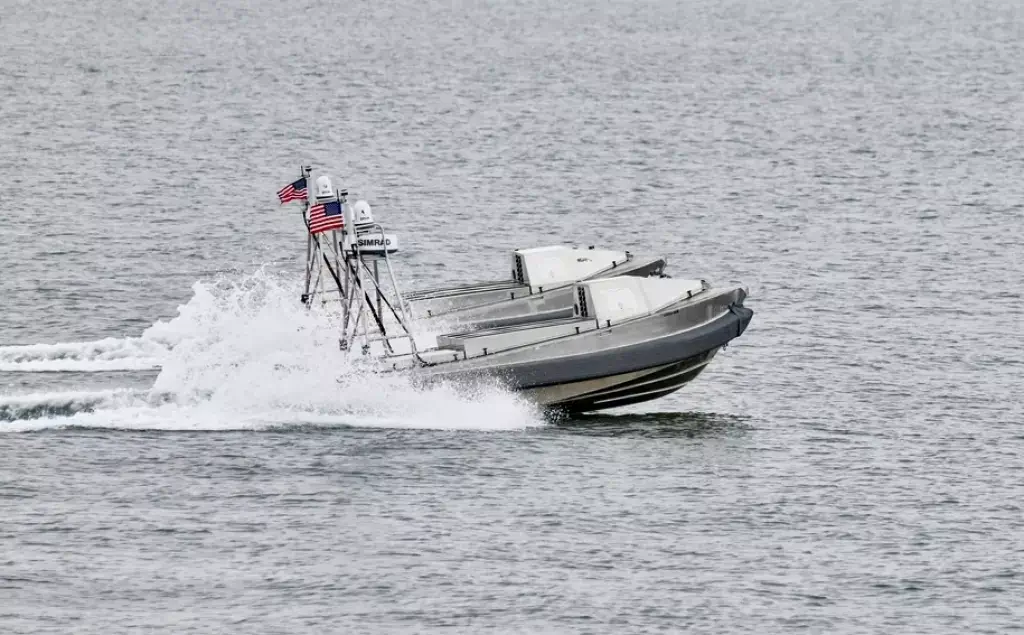
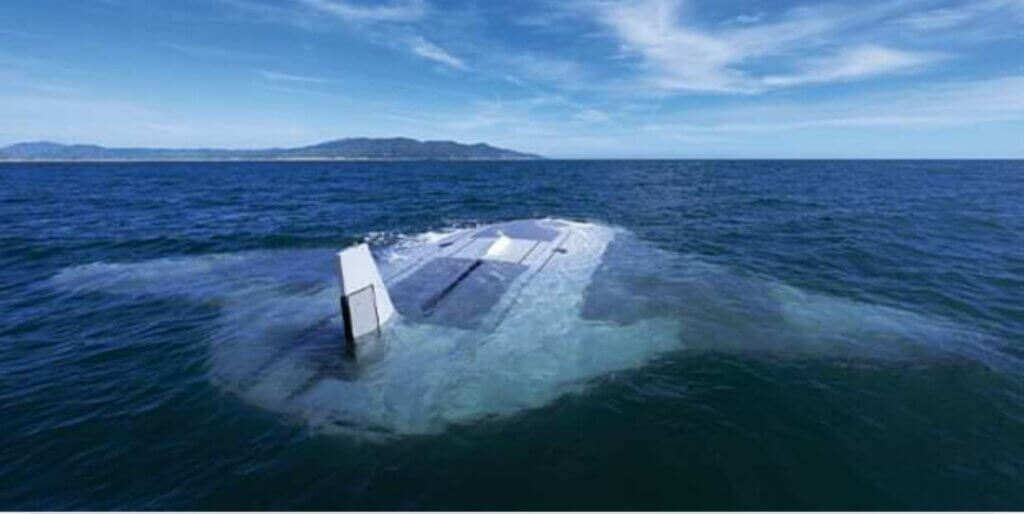
In the latest development of naval capabilities, Northrop Grumman, in partnership with the Defense Advanced Research Projects Agency (DARPA), has introduced a new autonomous underwater vehicle (UUV) named the “Manta Ray.” This cutting-edge UUV is designed for long-range and long-duration missions, marking a significant milestone in underwater technology.

Key Takeaways

  • The Manta Ray has successfully completed its first in-water testing phase off the coast of Southern California, showcasing its advanced hydrodynamic capabilities and operational readiness.
  • Designed for autonomy, the Manta Ray can perform extensive missions in remote oceanic environments, aiding in tasks such as mapping, mine detection, and surveillance.
  • Its modular construction allows for easy transport, rapid assembly, and deployment, potentially revolutionizing naval logistics and deployment strategies.

Why This Matters The Manta Ray represents a leap forward in underwater technology with its ability to operate independently in challenging and remote parts of the ocean. This capability is crucial for enhancing the Navy’s operational flexibility and for performing sensitive and critical missions without risking human lives. The Manta Ray’s successful deployment demonstrates potential shifts in future naval operations, emphasizing unmanned, autonomous systems.

Implications for the Navy

The integration of the Manta Ray into the Navy’s arsenal could dramatically transform naval operations by:

  • Enhancing the Navy’s ability to conduct extended surveillance and reconnaissance missions discreetly.
  • Reducing the need for large, manned support vessels and infrastructure, thereby saving costs and increasing operational stealth.
  • Providing new capabilities in undersea warfare, particularly in cluttered or hazardous environments where traditional manned operations are too risky.

Implications for America

The advancement of autonomous UUV technology such as the Manta Ray strengthens national security by ensuring that the U.S. remains at the forefront of military technology, particularly in undersea warfare. This technological edge is vital in maintaining strategic superiority in international waters, particularly in contested regions where underwater resources and routes are of paramount importance.

Moreover, the development and production of such advanced technologies foster innovation within America’s industrial and defense sectors, contributing to economic growth and maintaining technological leadership on the global stage.

Conclusion

The Manta Ray UUV is not just a new piece of equipment; it is a harbinger of the future of naval operations. As autonomous systems like the Manta Ray become more integrated into military strategies, they will redefine the paradigms of engagement, security, and defense technology. For the U.S. Navy and America, the successful deployment of the Manta Ray is a significant step toward a more autonomous, efficient, and secure maritime future.

Join our community of readers who are passionate about naval innovation and defense technology. Subscribe now to receive the latest updates on breakthroughs like the Manta Ray and other critical advancements directly to your inbox. Get exclusive insights, detailed analyses, and expert commentary to help you stay informed about the evolving landscape of maritime security and technology.

Subscribe Today—because staying informed is your best defense.

Strategic Presence and Legacy: USS Dwight D. Eisenhower’s Arrival in the Eastern Mediterranean

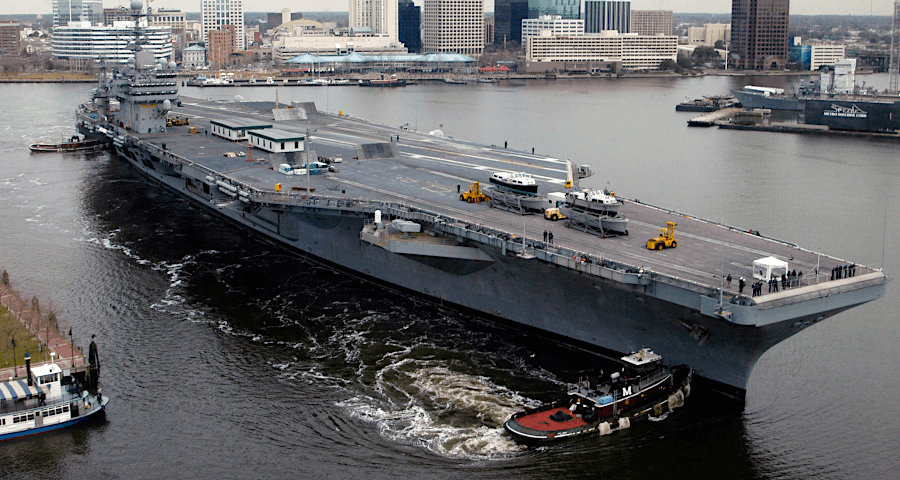
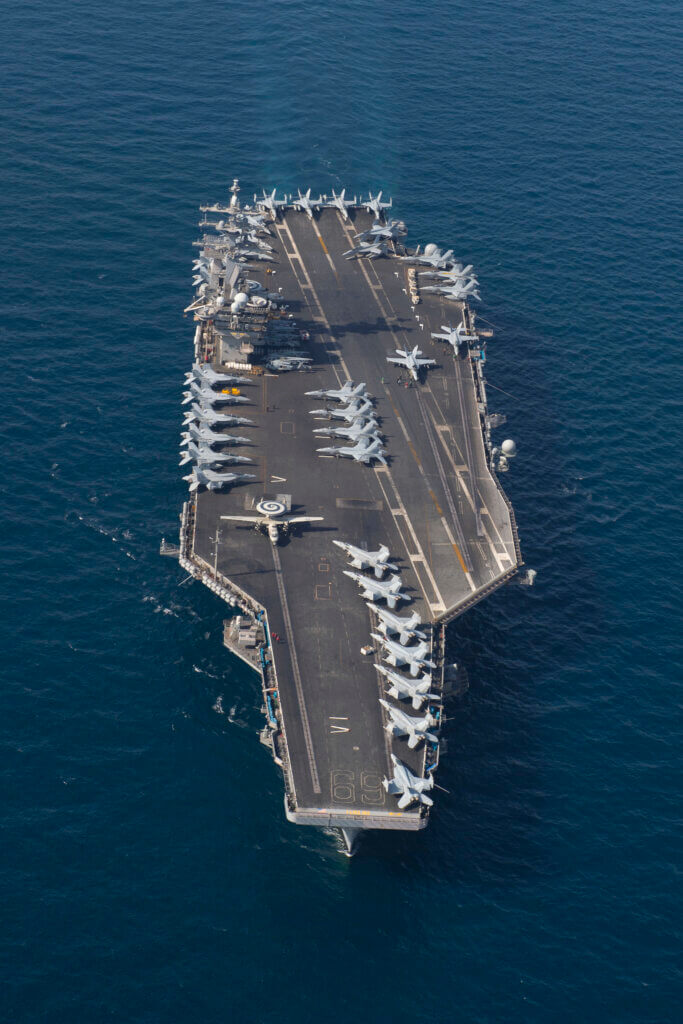
Air craft carrier The aircraft carrier USS Dwight D. Eisenhower (CVN 69) 

Bill Cullifer, founder

As the USS Dwight D. Eisenhower (CVN 69) Carrier Strike Group (IKECSG) sailed into the Eastern Mediterranean on April 26, it not only marked another chapter in the illustrious history of one of America’s formidable Nimitz-class aircraft carriers but also underscored the strategic importance of the U.S. Navy’s presence in this crucial region. This entry comes after a significant tenure in the U.S. 5th Fleet area of operations, showcasing versatile naval power and robust maritime capabilities.

The Historical Significance of the Eisenhower

Named after the 34th President of the United States, Dwight D. Eisenhower, the carrier was commissioned on October 18, 1977. Throughout its service, the USS Dwight D. Eisenhower has been a cornerstone of American naval might, capable of projecting power and supporting peacekeeping operations across the globe. Its presence in the Mediterranean is not just a routine operation; it is a demonstration of enduring commitment to stability and security in the region.

Importance of the Mediterranean Theater

The Mediterranean Sea has been a strategic crossroads for centuries, serving as a critical passage for trade and military endeavors. Today, it remains a vital area for U.S. and allied operations, serving as a bridge between continents and cultures. The arrival of the IKECSG highlights ongoing efforts to foster security, support NATO allies, and deter regional threats. The carrier’s capabilities, coupled with those of accompanying ships like the USS Gravely (DDG 107) and USS Mason (DDG 87), enhance the U.S. 6th Fleet’s ability to maintain a vigilant and responsive presence.

Recent Operations and Impact

Prior to its current deployment, the IKECSG was active in the Red Sea, Bab Al-Mandeb Strait, Gulf of Aden, and Arabian Gulf, participating in Operation Prosperity Guardian and conducting defensive strikes against Iranian-backed Houthi targets in Yemen. These operations demonstrate the group’s flexible and immediate response capabilities, which are crucial in maintaining regional stability and protecting international waters.

Forward Operating in the 6th Fleet

Under the command of Rear Admiral Marc Miguez, the IKECSG’s transition to the 6th Fleet’s area of operations is a strategic move that enhances the U.S.’s ability to project power and engage with allies and partners. Based out of Naples, Italy, the U.S. Naval Forces Europe-Africa (NAVEUR-NAVAF) has been pivotal in shaping naval diplomacy and enhancing cooperative strategies that benefit all parties involved in maintaining the peace and prosperity of the Mediterranean region.

As the USS Dwight D. Eisenhower and its accompanying assets adapt to new challenges and opportunities in the Eastern Mediterranean, their arrival is a testament to the Navy’s global reach and its pivotal role in promoting peace, stability, and cooperation among nations. The ongoing commitment of the U.S. Navy in such strategic waters continues to be a cornerstone of American defense policy and international relations, reminding us of the enduring value and capabilities of carrier strike groups in the modern geopolitical landscape.


Ensuring Naval Dominance in Uncertain Times

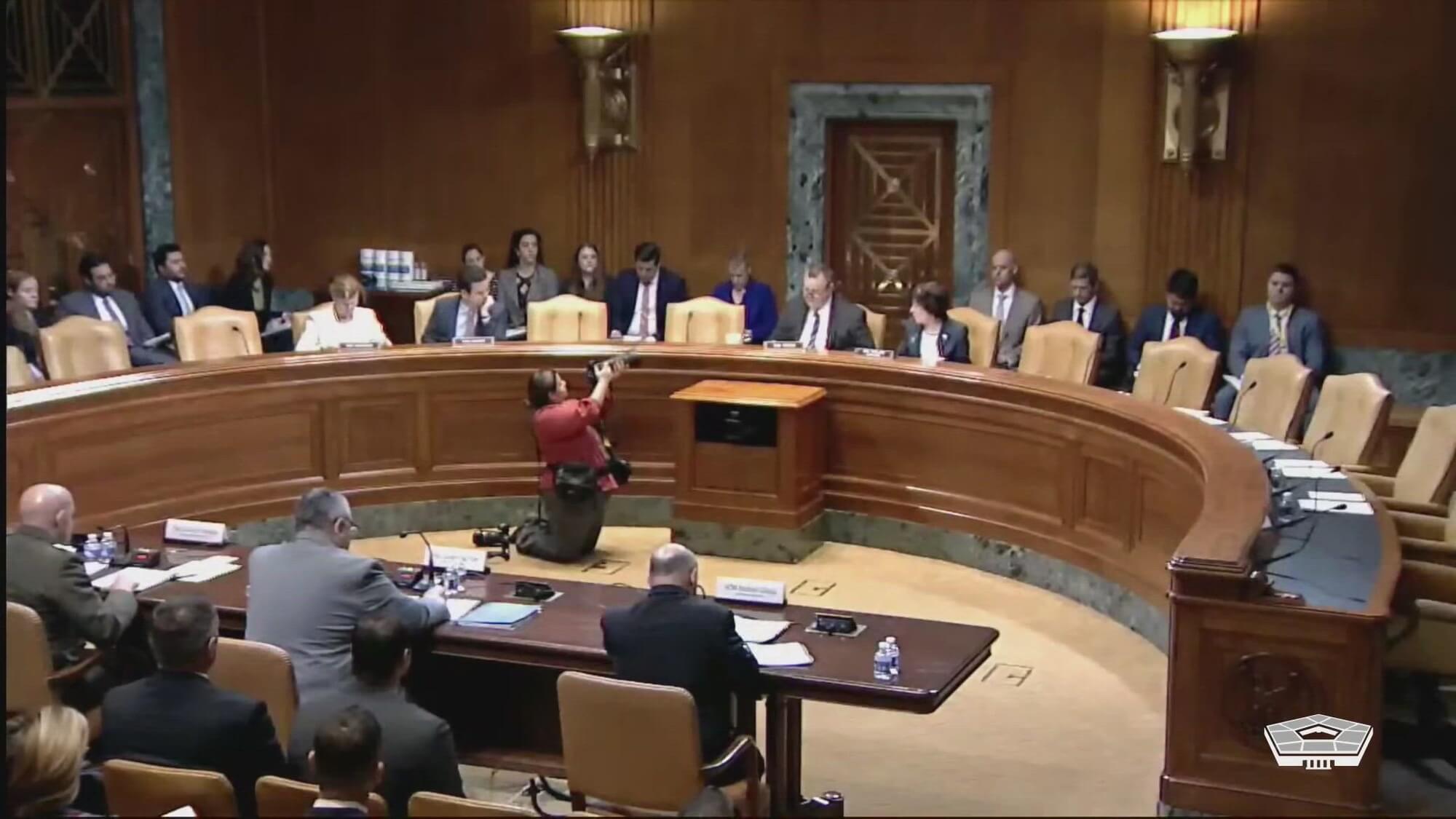
Recent developments reported by the Navy Secretary, Carlos Del Toro, to the Senate Appropriations defense subcommittee illuminate the critical challenges and operational demands facing the U.S. Navy. Amid 130 direct attacks over six months and a significant munition shortfall, the testimony underscores the urgent need for enhanced naval capabilities and support.

Key Takeaway

* The U.S. Navy’s ability to defend against frequent hostile actions and its urgent need for funding to replenish critical munitions highlights the indispensable role of naval forces in maintaining national and global security.

* The recent combat use of Standard Missile 3s (SM-3) further underscores the Navy’s forefront position in technological defense advancements.

Facing Frequent Threats

Navy Secretary Carlos Del Toro revealed that U.S. warships have fended off 130 direct attacks in the Middle East over the past six months, demonstrating the volatile environment in which our forces operate. This significant number of attacks highlights the constant threats our naval forces face and the critical role they play in deterrence and defense.

Financial Strain and Legislative Urgency

The Navy is currently experiencing a $1 billion shortfall in munitions essential for these defenses. Del Toro’s appeal for Congress to approve additional funding is a stark reminder of the financial strains on military readiness. The delay in passing the national security supplemental funding by the House represents a critical bottleneck in supporting our naval operations.

Technological Advancements in Combat

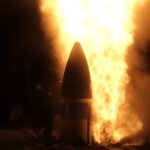
The first-ever combat use of the SM-3 missile during the recent Iranian assault on Israel marks a significant milestone. This event not only demonstrates the Navy’s advanced capabilities but also the effectiveness of our current investments in missile defense technology.

Standard Missile-3 (SM-3) Block IIA guided missile

Del Toro’s confirmation of the SM-3’s deployment highlights the Navy’s capability to engage and neutralize threats from beyond the atmosphere.

Bipartisan Support for Global Security

Senator Patty Murray’s comments emphasize the bipartisan nature of national security and the global implications of a well-funded Navy. Her criticism of the House’s delay in passing the supplemental reflects the broader political dynamics that can impact military readiness and global stability.

Why This Matters

The ongoing operational challenges and financial needs of the U.S. Navy are not just matters of military preparedness but are essential to sustaining global peace and security. The capability to deploy advanced defensive technologies like the SM-3 in combat situations is critical to deterring aggressive actions by state and non-state actors, ensuring the safety of international waters and global trade routes.

Conclusion

The testimonies before Congress serve as a critical reminder of the stakes involved in maintaining a strong and responsive U.S. Navy. As we navigate these uncertain times, it is paramount that bipartisan support for naval funding is secured without delay. The strength and readiness of our naval forces are key to our national defense strategy and a cornerstone of our international security commitment.


A Stronger Navy for a Secure America: USS Constellation Marks New Era in Naval Power

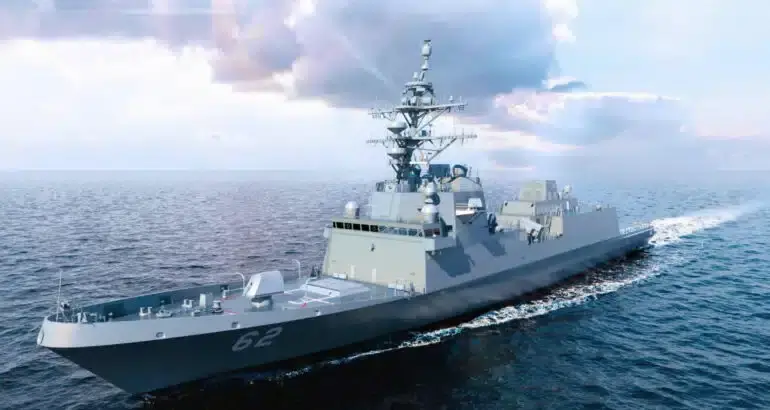
Americans for a Stronger Navy applauds the recent keel laying of the future USS Constellation (FFG 62)! This momentous occasion signifies a critical step forward in modernizing our nation’s fleet and ensuring American dominance at sea.

Why the Constellation Class Matters

Despite concerns over recent reports of delays due to labor shortages, supply chain issues, and design changes, the keel laying of the future USS Constellation (FFG 62) marks a significant step forward in modernizing our nation’s fleet. The builder, Fincantieri Marinette Marine, remains hopeful of minimizing these challenges and delivering this next-generation frigate on a revised schedule. Americans for a Stronger Navy applauds this momentous occasion!

The USS Constellation is the first ship in a new generation of frigates – the Constellation Class. These agile, multi-mission vessels represent a significant leap forward in naval technology. They are designed to operate effectively in both deep ocean (blue water) and near-shore (littoral) environments, providing a crucial advantage in today’s complex maritime landscape.

Benefits for America

A robust and modern Navy is essential for safeguarding our nation’s interests. Here’s how the Constellation Class strengthens American security:

Standing with Our Navy

Americans for a Stronger Navy is committed to advocating for a powerful and well-equipped Navy. We urge all Americans to join us in supporting this critical national security asset.

Stay Connected!

Together, we can ensure the United States Navy remains a force for peace, security, and prosperity for generations to come.