
U.S. Naval News Wednesday – September 4, 2024: Operational Highlights & In-Depth Editorial on Shipyard Modernization

Bill Cullifer, Founder

Welcome to this week’s edition of U.S. Naval News. At Americans for a Stronger Navy, we’re committed to keeping you informed about the latest developments from around the fleet. This week, we bring you key updates, including the USS Abraham Lincoln’s strategic deployment to the Gulf of Oman and cutting-edge advancements in drone operations aboard the USS George H.W. Bush.

But we’re not stopping there. In this edition, we’re introducing a new feature—an in-depth editorial commentary. Following the news, we’ll dive deeper into a critical issue affecting our Navy: the recent GAO report on the state of U.S. shipyards. This report raises alarms about the capacity and readiness of our shipyards to meet the demands of a modern Navy. We’ll explore why this matters, what needs to be done, and how you—our readers and supporters—can join us in advocating for change.

Your involvement is more important than ever. Together, we can make a difference.

Thank you for your continued support. 

Operational Updates

  • USS Abraham Lincoln Deployment: The USS Abraham Lincoln (CVN-72) has positioned itself in the Gulf of Oman as part of a broader strategy to maintain a strong naval presence in the Middle East. This deployment comes amid increasing regional tensions, particularly related to Iran’s activities.
  • Theodore Roosevelt Strike Group Rescue: The USS Theodore Roosevelt Strike Group successfully rescued two distressed Iranian mariners in international waters. The rescue operation underscores the U.S. Navy’s readiness and commitment to maritime safety and humanitarian missions in the region.
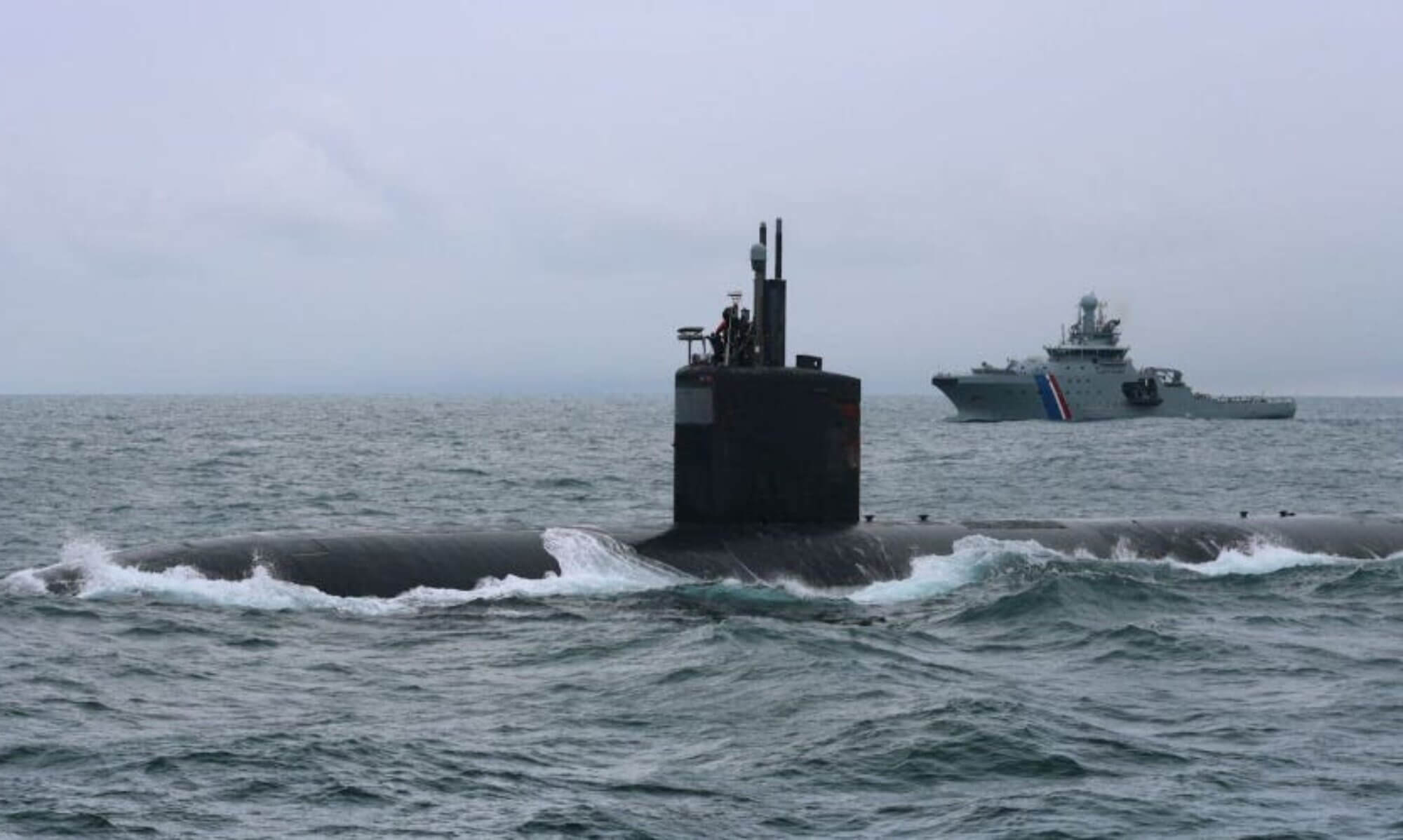
  • Submarine Maintenance in Australia: The USS Hawaii (SSN 776) conducted scheduled maintenance at HMAS Stirling, Australia, under the AUKUS Pillar 1 initiative, which supports Australia’s development of a sovereign conventionally armed, nuclear-powered submarine capability.
  • Bilateral Operations with Italian Navy: The U.S. Navy and Italian Navy conducted joint operations in the Philippine Sea, focusing on enhancing maritime security and demonstrating a unified commitment to a free and open Indo-Pacific.

Technological and Strategic Developments

  • Drone Command Center on USS George H.W. Bush: A new drone command center has been installed on the USS George H.W. Bush (CVN 77) to operate MQ-25 “Stingray” drones, marking a significant advancement in the Navy’s unmanned aerial capabilities.
  • FY24 NDAA Shipbuilding Boost: The U.S. Senate’s version of the FY24 National Defense Authorization Act (NDAA) includes authorization for the procurement of 10 new battle force ships, emphasizing the ongoing modernization of the Navy’s fleet.
  • China Watch: China recently claimed breakthroughs in autonomous vehicle technology, which could have significant military applications, including advanced driver-assistance systems and unmanned aerial vehicles (UAVs). These developments are closely tied to China’s broader strategy of integrating military and civilian technology efforts.
  • Russia Watch: Concerns continue to mount over the U.S. Navy’s readiness, particularly with regard to the availability of dry docks for essential ship repairs. U.S. lawmakers have voiced concerns about how this impacts naval operations, especially when compared to China’s rapid shipbuilding pace.

Community and Leadership News

  • Navy Shipyards Under Scrutiny: The U.S. Government Accountability Office (GAO) has raised concerns about the capacity and efficiency of U.S. shipyards, emphasizing the need for modernization to keep pace with global naval demands. The GAO report, released on September 2, 2024, highlights that delays in ship repairs and upgrades could severely impact fleet readiness. The report also notes that inadequate infrastructure and workforce shortages are critical challenges that need immediate attention.
  • Navy Wants Industry’s Help to Reduce Costs: Secretary of the Navy Carlos Del Toro has called on the defense industry to partner with the Navy in reducing sustainment costs, particularly by securing better terms for technical data rights in acquisition contracts.

Editorial: The Imperative to Modernize U.S. Navy Shipyards

The recent GAO report underscores what we at Americans for a Stronger Navy have been emphasizing for the past two years: the state of our Navy’s shipyards is a national crisis. The threats we face are real and cannot be overstated. As the GAO has highlighted, the current state of our shipyards directly threatens our fleet’s readiness and, by extension, our national security.

This is not just a Navy issue—it’s a national imperative. We cannot expect the Navy to shoulder this burden alone. It’s time for Congress to act decisively, providing the necessary funding and legislative support to modernize our shipyards. The Navy’s ability to maintain a robust, ready fleet depends on it.

We propose a multi-faceted approach to solving this crisis. A private-public-community partnership is essential to drive the changes needed. Industry leaders, local communities, and government must come together to build the workforce, improve infrastructure, and streamline processes to ensure our Navy remains the most powerful maritime force in the world.

We can no longer afford to point fingers. It’s time to move forward with a united effort. The future of our national security depends on it.

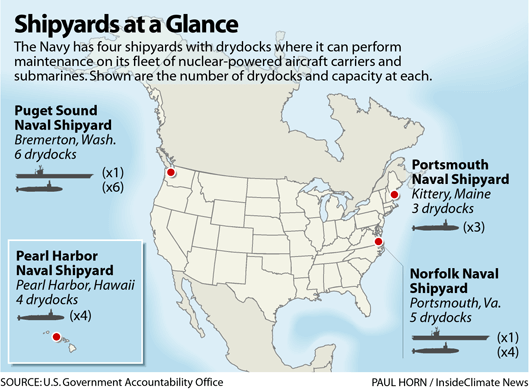
  1. Norfolk Naval Shipyard (NNSY)
    • Location: Portsmouth, Virginia
    • Established: 1767
    • Specializes in: Overhaul, repair, and modernization of naval ships, particularly nuclear-powered vessels.
  2. Pearl Harbor Naval Shipyard
    • Location: Pearl Harbor, Hawaii
    • Established: 1908
    • Specializes in: Overhaul, repair, and modernization of submarines and surface ships.
  3. Puget Sound Naval Shipyard (PSNS)
    • Location: Bremerton, Washington
    • Established: 1891
    • Specializes in: Overhaul, repair, and decommissioning of naval vessels, particularly nuclear-powered ships and submarines.
  4. Portsmouth Naval Shipyard
    • Location: Kittery, Maine
    • Established: 1800
    • Specializes in: Overhaul, repair, and modernization of nuclear-powered submarines.
  5. Huntington Ingalls Industries (Newport News Shipbuilding)
    • Location: Newport News, Virginia
    • Established: 1886
    • Specializes in: Construction of nuclear-powered aircraft carriers and submarines, as well as ship repair.
  6. Mare Island Naval Shipyard (Closed)
    • Location: Vallejo, California
    • Established: 1854, closed in 1996
    • Specializes in: Ship construction and repair (historically).
  7. Philadelphia Naval Shipyard (Closed)
    • Location: Philadelphia, Pennsylvania
    • Established: 1801, ceased operations in 1995
    • Specializes in: Ship construction and repair (historically).

These shipyards represent a mixture of active and decommissioned facilities, but the active ones remain critical to maintaining and modernizing the U.S. Navy fleet, particularly in nuclear-powered ships and submarines.

U.S. Naval Shipbuilding: Past, Present, and Future – A Nation’s Perspective

Dear Fellow Americans, Members and Friends of Americans for a Stronger Navy.

Today, we stand at a crucial juncture in our nation’s history, where the strength of our naval fleet is not just a matter of pride, but a critical component of our national security.

Bill Cullifer, Fouder

As the leader of Americans for a Stronger Navy, I am deeply committed to ensuring that the United States remains a formidable maritime power. This blog series, “U.S. Naval Shipbuilding: Past, Present, and Future – A Nation’s Perspective,” is a clarion call to action. It aims to shed light on the current challenges, draw lessons from our rich history, and chart a course for a future where America leads the seas.

The Problem Defined

The U.S. Navy currently faces unprecedented delays and workforce shortages in shipyards, resulting in postponed vessel deliveries and operational challenges. This not only hampers our fleet readiness but also impacts our ability to respond to global threats effectively.

In a statemet, January 11, 2024, Navy Secretary Carlos Del Toro has ordered a “comprehensive shipbuilding review” to assess both “national and local causes of shipbuilding challenges.”

“I remain concerned with the lingering effects of post-pandemic conditions on our shipbuilders and their suppliers that continue to affect our shipbuilding programs, particularly our Columbia Class Ballistic Missile Submarines and Constellation Class Frigate,” Del Toro.

Historical Context

Reflecting on World War II, the U.S. overcame similar challenges through innovation, rapid expansion, and national mobilization. These lessons from history are vital as we confront today’s challenges.

Why It Matters

Our naval strength is crucial in an era of increasing global tensions.

Dominance at sea is not just about power projection but also about safeguarding international trade routes and ensuring global stability.

Inadequate shipbuilding capacity poses a direct threat to these objectives.

The Navy’s Stance

The U.S. Navy recognizes these challenges, advocating for efficient production practices and skilled labor. There’s an urgent need to modernize shipyards and invest in training programs to meet this demand.

Calling it a “strategic imperative”, Secretary of the Navy Carlos Del Toro urged industry and academia to join efforts to restore the Nation’s competitive shipbuilding and repair landscape.

“We are a nation accustomed to taking on ambitious endeavors, and restoring our maritime strength is no exception.” Del Toro said.

Shipyard Perspectives

Shipyard managers emphasize modernization and investment in workforce training as critical to overcoming current challenges. They advocate for adopting technologies such as automation and advanced materials, and for policies that support the shipbuilding industry.

International Comparisons

Examining successful shipbuilding programs in countries like South Korea and Japan can provide valuable insights into managing efficient and technologically advanced shipyards.

Economic and Environmental Implications

A robust shipbuilding industry is not just a defense asset but also a significant economic driver, creating jobs and fostering technological innovation. Moreover, modern shipbuilding must align with environmental sustainability goals, emphasizing eco-friendly practices.

Public Awareness and Support

It is crucial to increase public awareness and support for naval shipbuilding. This involves understanding the industry’s impact on national security and the economy and recognizing the dedication of those who work in this vital sector.

Role of ‘Americans for a Stronger Navy’

Our organization is committed to highlighting these issues and advocating for a stronger naval fleet. We believe in the power of public support and policy advocacy to drive change.

The Threat and Consequences

Failure to address these challenges could result in a diminished global presence and reduced deterrence capabilities, leaving us vulnerable in an increasingly unpredictable world. The consequences of inaction are stark – diminished naval power in the face of rising global threats.

Public Perspective on U.S. Naval Shipbuilding

In understanding the broader implications of U.S. Naval Shipbuilding, the perspective of the American public plays a crucial role. Recent surveys and public forums indicate a growing awareness of the strategic importance of a strong naval presence for national security.

Many Americans acknowledge the economic impact of the shipbuilding industry, recognizing its role in job creation and technological innovation.

However, there is also a call for greater transparency and efficiency in naval operations and ship construction processes. Concerns about fiscal responsibility and environmental sustainability in shipbuilding practices are increasingly becoming part of the public discourse.

This collective voice underlines the need for a balanced approach that upholds national security interests while addressing public concerns about cost, efficiency, and environmental stewardship.

Conclusion

The need for action is clear. By learning from our past, addressing current challenges, and investing in our future, we can ensure a robust and ready naval fleet. Join us in this series to explore these themes and advocate for a stronger Navy.

Stay tuned for our next post, where we delve deeper into the lessons from World War II and how they can inform our approach today. Let’s move America towards a future of maritime strength and security.

Bill, Founder, Americans for a Stronger Navy

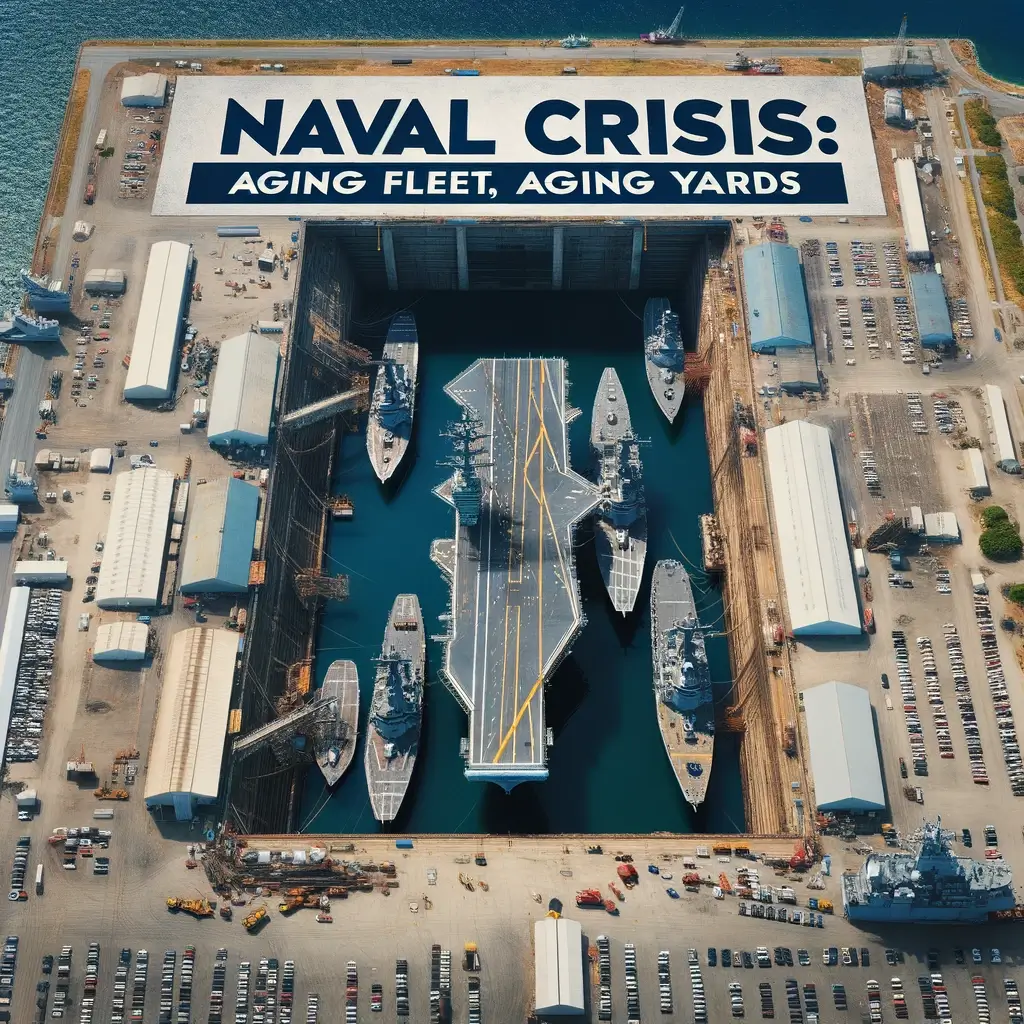
Naval Crisis: Aging Fleet and Aging Yards – A Blueprint for Modernization

To the members, dedicated friends, and supporters of Americans for a Stronger Navy,

It is with a sense of urgency and commitment to our national security that we delve into an issue of paramount importance – the revitalization of the U.S. Navy’s shipyards. This topic, often overlooked in public discourse, is a cornerstone of our naval strength and a critical factor in maintaining our status as a global maritime power.

The Navy’s four public shipyards — Norfolk, Portsmouth, Puget Sound, and Pearl Harbor — are essential for maintaining submarines and aircraft carriers, ensuring fleet readiness. Originally built for sail- and conventionally-powered ships, these 19th and 20th-century shipyards now struggle to efficiently service modern nuclear-powered vessels. Confronted with outdated facilities and technology, they face increasing maintenance costs, scheduling delays, and reliability concerns.

Recognizing the need for modernization, the Navy initiated the Shipyard Infrastructure Optimization Program (SIOP) in May 2018. Managed by Naval Sea Systems Command with support from Naval Facilities Engineering Command and Commander, Navy Installations Command, SIOP aims to upgrade dry docks, optimize industrial processes, and modernize equipment to meet contemporary standards. This program is a critical step in transforming these historic shipyards into state-of-the-art facilities, aligning them with current naval operational needs.

Why This Matters

The significance of a robust and modern naval force cannot be understated in an era defined by great-power competition and rapidly evolving global threats. Our shipyards are the backbone of this force, serving as the lifeblood that keeps our fleet operational, advanced, and ready for any challenge. However, as recent assessments reveal, the current state of these facilities is far from meeting the demands of contemporary naval warfare and strategy.

Why America Should Care

Every American should be concerned about the state of our Navy’s shipyards. These facilities are not just about maintaining ships; they are about safeguarding our national security, ensuring global maritime dominance, and protecting our economic interests. A powerful Navy guarantees open sea lanes for commerce, deters potential adversaries, and provides a rapid response capability in times of crisis. The efficacy of our Navy is directly linked to the health of our shipyards.

Key Takeaway Problems

Two critical analyses – one from Forbes and another from Maiya Clark, The Heritage Foundation – highlight the pressing issues facing our shipyards:

  1. Aging Fleet and Infrastructure: Our Los Angeles Class submarines and shipyard facilities have aged, hindering operational efficiency.
  2. Resource Misallocation: There’s a notable misallocation of resources, with billions being spent on maintaining older vessels instead of investing in newer classes or infrastructure.
  3. Maintenance Delays: Prolonged maintenance periods are causing significant operational gaps in fleet readiness.
  4. Inefficient Modernization Efforts: Efforts like the Shipyard Infrastructure Optimization Plan (SIOP) face challenges in funding and execution, threatening their effectiveness.
  5. Human Capital Needs: A modern shipyard also requires a talented workforce, including engineers and trade personnel, to effectively utilize and maintain the upgraded infrastructure.

How Urgent Is This?

The urgency of this situation cannot be overstated. With each passing day of delayed maintenance and underfunded modernization, our naval capabilities diminish. The world is not standing still; as potential adversaries advance their naval capabilities, any lag on our part creates vulnerabilities. Addressing these issues is not just a matter of military preparedness; it is a necessity for national survival.

Solutions

The path forward requires a multifaceted approach:

  1. Strategic Investment in Modernization: Fully funding and efficiently executing the SIOP is crucial for modernizing our shipyards.
  2. Prioritizing Fleet Readiness: The Navy must reallocate resources towards vessels and infrastructure that significantly enhance our naval capabilities.
  3. Public-Private Partnerships: Leveraging private shipyards for maintenance work can alleviate pressure on public yards and introduce innovative practices
  4. Boosting Workforce Expertise: Critical for Naval Advancement to complement infrastructure development, prioritizing workforce expertise is vital. The Navy should focus on attracting and nurturing skilled engineers and tradespeople through enhanced training programs and partnerships. This strategic investment in human capital is essential to fully leverage upgraded vessels and facilities, thereby bolstering overall naval capabilities.
  5. Policy Support and Advocacy: It’s vital for organizations like Americans for a Stronger Navy to advocate for policies that support these changes and raise public awareness about the importance of a modern and capable Navy.

Conclusion

As members, friends, and supporters of Americans for a Stronger Navy, we play a crucial role in shaping the discourse and action around this critical issue.

Our collective voice can drive the change necessary to ensure that our Navy remains the most formidable maritime force in the world.

We must not only understand the challenges but also actively advocate for practical solutions.

The future of our naval superiority and, by extension, our national security, depends on our commitment to revitalizing America’s shipyards. Together, let’s champion a stronger, more resilient Navy for a safer, more secure America.