Rising Tensions in the South China Sea: A Shift from Grey-Zone to Direct Confrontation

The South China Sea has been a hotspot for geopolitical tensions over the past decade, with Chinese activity in the region increasing significantly. Recent analysis by former US Naval Captain Brent Sadler sheds light on this growing issue, highlighting a concerning shift from grey-zone tactics to potential direct confrontation.

Chinese Activity in the South China Sea

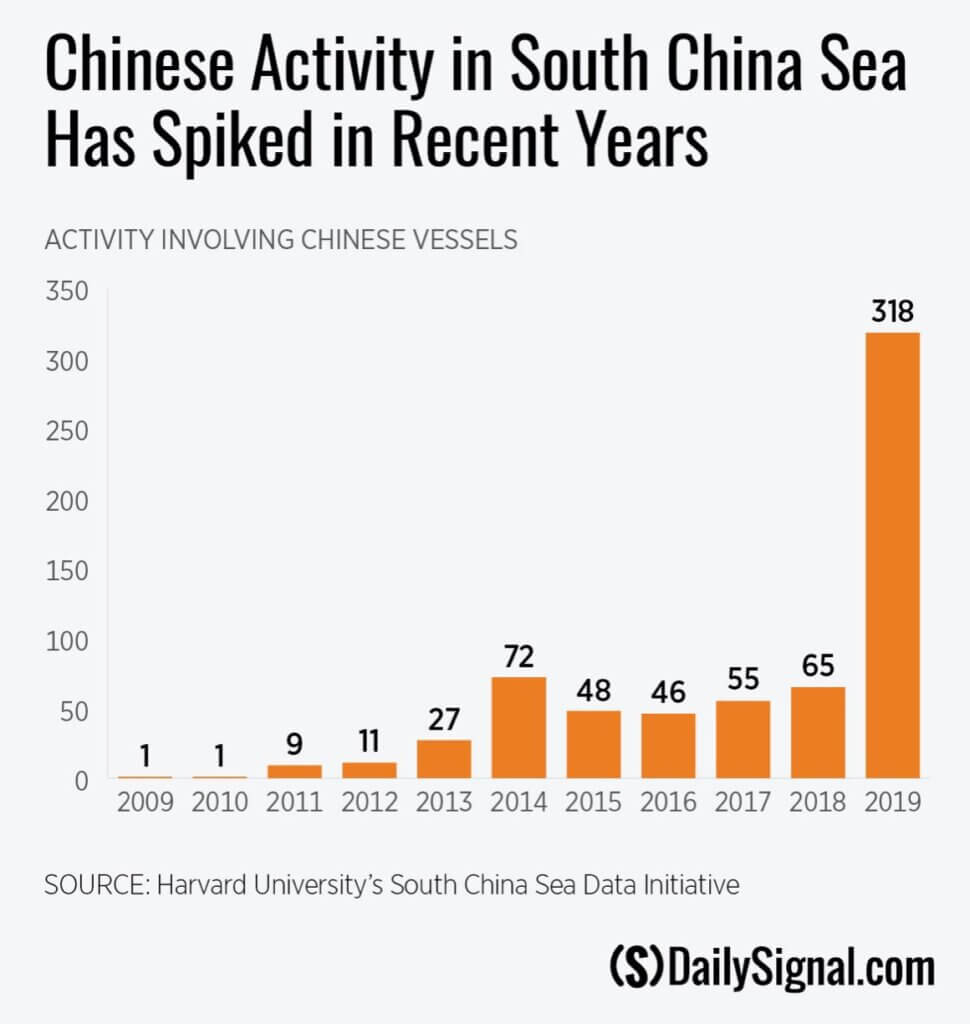
A stark representation of this escalation can be seen in the data provided by Harvard University’s South China Sea Data Initiative. The graph below illustrates the dramatic rise in Chinese vessel activity from 2009 to 2019. What was once sporadic has now become a frequent occurrence, with 318 instances of Chinese vessel activity recorded in 2019 alone.

This surge in activity signals a strategic shift by China, aiming to assert its dominance and challenge international norms in the region. The implications for regional security and global trade are profound, as the South China Sea is a critical maritime route for commerce.

PLAN and PLAAF Activity Around Taiwan

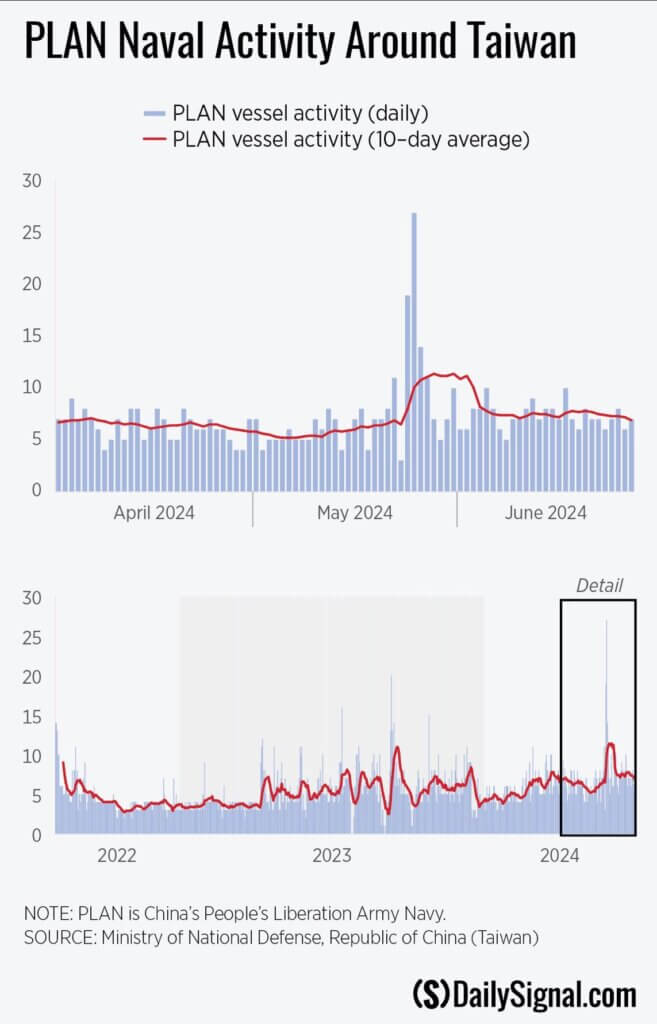
Further emphasizing this point, the data from Taiwan’s Ministry of National Defense reveals a notable increase in both naval and aerial activities by the People’s Liberation Army Navy (PLAN) and the People’s Liberation Army Air Force (PLAAF) around Taiwan. The graphs below show daily and average activities over recent months and years.

This pattern of behavior highlights China’s broader strategic objectives, including the potential to disrupt regional stability and challenge the status quo regarding Taiwan. The frequency and intensity of these activities suggest an increasing readiness to transition from grey-zone strategies, which include tactics like maritime militia operations and cyber intrusions, to more overt and direct forms of confrontation.

China’s Rapid Military Responses to Key Events

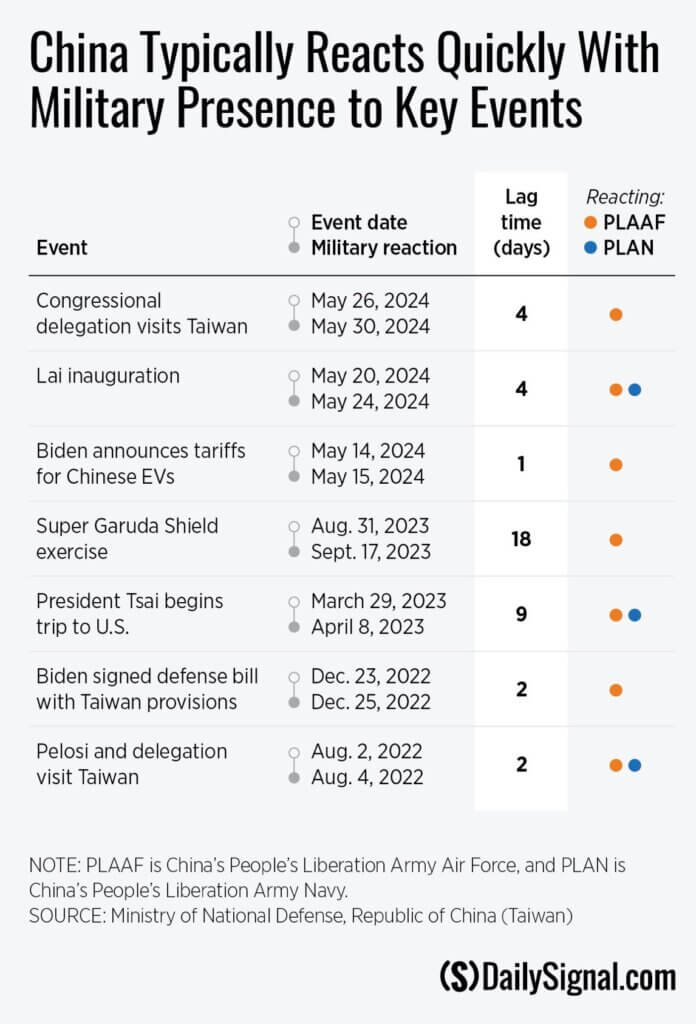
Another critical aspect of China’s strategy is its rapid military response to key geopolitical events. The table below, compiled from data by Taiwan’s Ministry of National Defense, showcases how quickly China mobilizes its military assets following significant political or military developments involving Taiwan or US interests.

Notably, there are consistent patterns of PLA activities within days of high-profile events, indicating a highly responsive and proactive approach to military operations. This level of responsiveness underscores the importance China places on maintaining a dominant posture in the region.

Expert Opinion: Brent Sadler

Brent Sadler, a former US Naval Captain and current analyst, provides a critical perspective on these developments. He notes, “The willingness of China to escalate from grey-zone tactics to direct confrontation is alarming. This shift not only threatens regional stability but also challenges the rules-based international order that has underpinned global maritime security for decades.”

Sadler’s analysis suggests that the international community, and particularly the United States, must remain vigilant and prepared to counter these aggressive maneuvers. Strengthening alliances, enhancing maritime domain awareness, and maintaining a robust naval presence in the region are essential steps to deter further escalation.

Conclusion

The data and expert analysis presented here underscore a significant and growing threat in the South China Sea and around Taiwan. As China continues to assert its influence through increased military activity, the risk of direct confrontation becomes more tangible. It is imperative for the global community to address these challenges with a unified and strategic approach to ensure continued peace and stability in the region.


.

Ocean Shipping Disruptions and Their Economic Impact on Americans

Bill Cullifer, Founder

Introduction

As the founder of Americans for a Stronger Navy, I have encountered a few pushback from those who believe that the need for a stronger Navy is overstated and that current global situations are someone else’s problem. This perspective overlooks the critical role that a robust Navy plays in safeguarding our economic interests and national security. In light of recent disruptions in ocean shipping, it is crucial to understand why the vast majority of Americans support a stronger Navy and how it impacts our daily lives.

Why This Matters

Global supply chains are intricately connected, and disruptions in one part of the world can have far-reaching impacts. The Red Sea, a critical maritime route, has recently seen increased attacks, forcing vessels to divert and causing gridlock at key ports such as Singapore, Malaysia, South Korea, China, and parts of Europe. This congestion is reminiscent of the chaos experienced during the COVID-19 pandemic, and the repercussions are already being felt across the logistics and shipping industries.

Key Takeaways

  1. Rising Shipping Costs: The diversions and delays are leading to increased shipping costs. With vessels stuck waiting for berths and navigating longer routes, the cost of transporting goods is climbing rapidly.
  2. Port Congestion: Ports are struggling to manage the influx of containers, leading to long wait times and operational inefficiencies. This congestion exacerbates delays and adds to the overall costs of shipping goods.
  3. Supply Chain Delays: As ports become bottlenecks, the timely delivery of goods is compromised. This affects the availability of products on store shelves, especially as we head into the holiday season, traditionally a peak period for consumer spending.Implications for the U.S. Navy

Implications for the U. S. Navy

Drawing from Alfred Mahan’s principles of sea power, the current instability in the Red Sea underscores the importance of maintaining control over critical maritime routes. The U.S. Navy’s presence in these regions ensures the security of trade routes, thereby safeguarding the global economy and national interests. Mahan emphasized that control of the seas, especially through a formidable navy, is crucial not only for wartime dominance but also for peacetime economic influence.

Implications for America

The economic implications of these disruptions are multifaceted:

  1. Increased Consumer Prices: The rising costs of shipping are often passed down to consumers. Whether it’s electronics, clothing, or everyday household items, Americans will likely see higher prices at the checkout counter.
  2. Inflationary Pressures: As transportation costs rise, so do the prices of goods. This can contribute to broader inflationary pressures, impacting the overall cost of living.
  3. Business Costs: Companies that rely on imported goods face higher operational costs. These businesses may need to increase prices to maintain margins, further affecting consumer prices.
  4. Supply Chain Reliability: The reliability of supply chains is crucial for economic stability. Persistent delays and disruptions can lead to stock shortages, affecting businesses’ ability to meet consumer demand and potentially leading to lost sales and revenue.

Lessons from Alfred Mahan

Nicholas Lambert’s book, “The Neptune Factor,” reexamines Mahan’s theories, arguing that sea power is not just about military might but also economic influence. Alfred Thayer Mahan, a prominent American naval officer and historian, is best known for his influential book, “The Influence of Sea Power upon History, 1660–1783.” Mahan’s groundbreaking ideas emphasized the strategic importance of a formidable naval presence to deter potential adversaries and ensure economic prosperity through control of maritime trade routes. Lambert emphasizes the need to integrate new technologies, such as cybersecurity and unmanned vehicles, and address environmental threats to maintain maritime dominance and economic security.

What Can Be Done?

To mitigate these impacts, several measures can be taken:

  1. Diversifying Supply Chains: Companies can explore alternative routes and suppliers to reduce dependency on any single shipping lane.
  2. Investing in Infrastructure: Enhancing port infrastructure and technology can improve efficiency and reduce congestion.
  3. Policy Measures: Governments can play a role in ensuring maritime security and supporting international efforts to stabilize regions like the Red Sea.

Conclusion

Current disruptions in ocean shipping underscore the vulnerability of global supply chains to geopolitical events. As Americans, understanding these connections is crucial. The economic ripple effects—from increased consumer prices to broader inflationary pressures—highlight the importance of resilient and adaptive strategies in both business and policy.

By addressing these challenges proactively, we can better navigate the complexities of a globalized economy and ensure stability and prosperity for all.

Drawing from Mahan’s insights, we must recognize that sea power encompasses both military strength and economic influence. Maintaining a robust naval presence and addressing modern challenges is essential for safeguarding our economic security and way of life.


Defending Allies: USS Ronald Reagan’s Mission to Secure the Philippine Sea Amid Rising Tensions


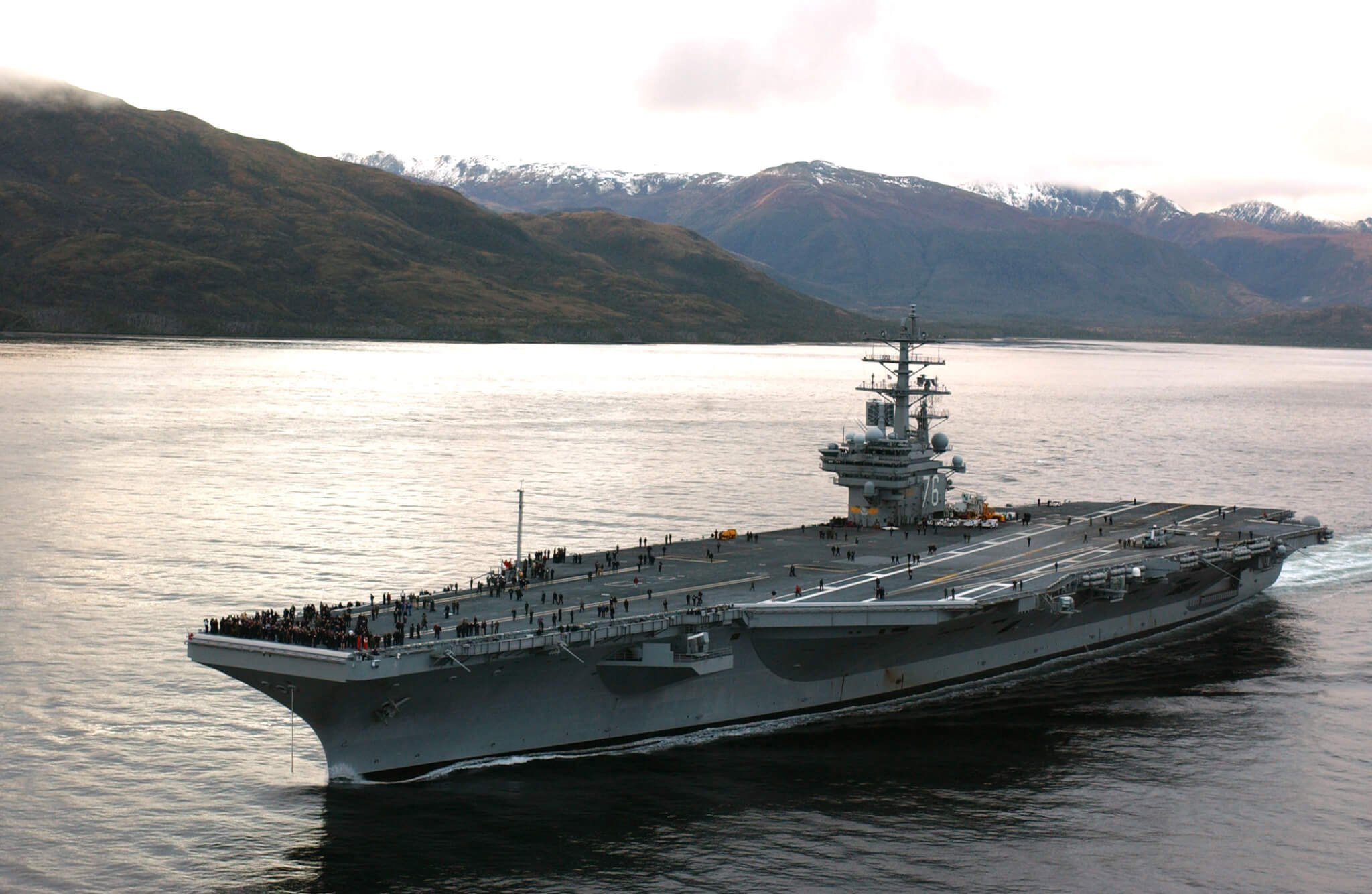
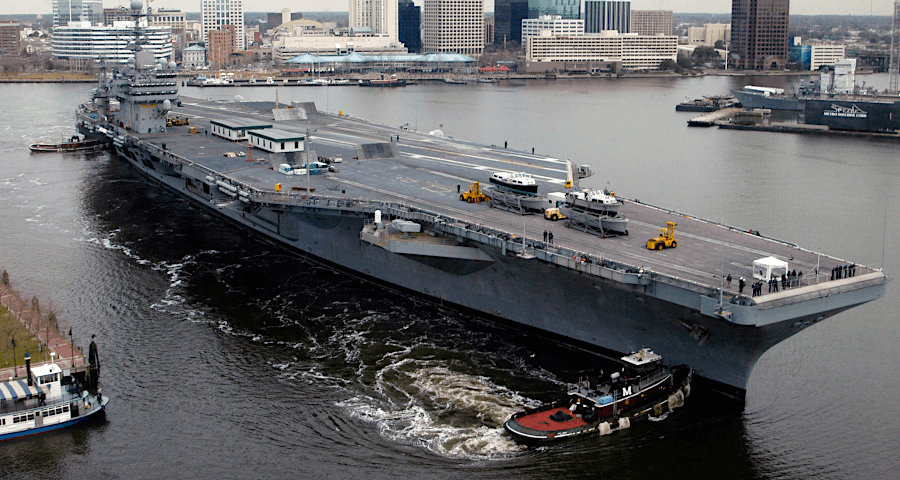
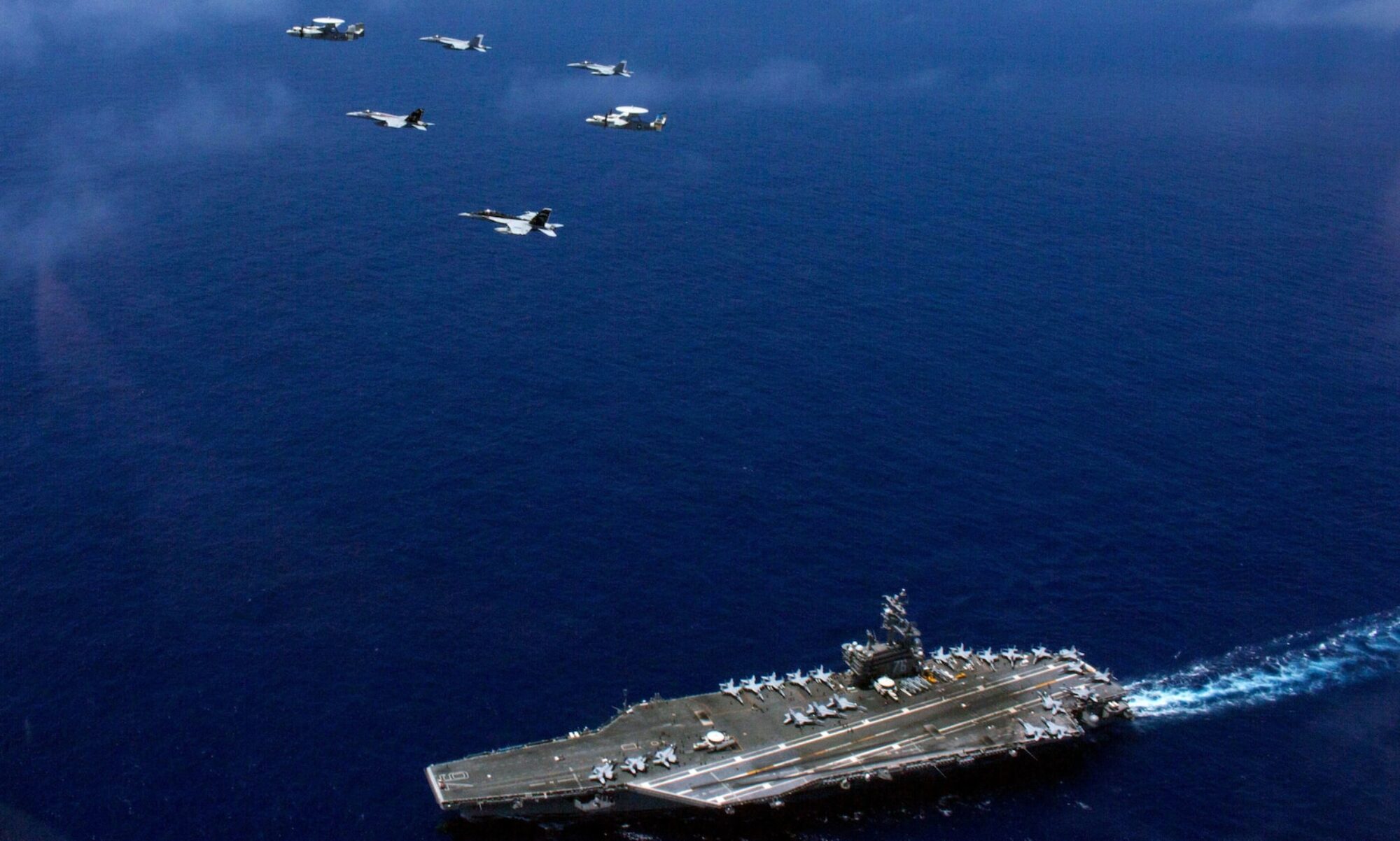
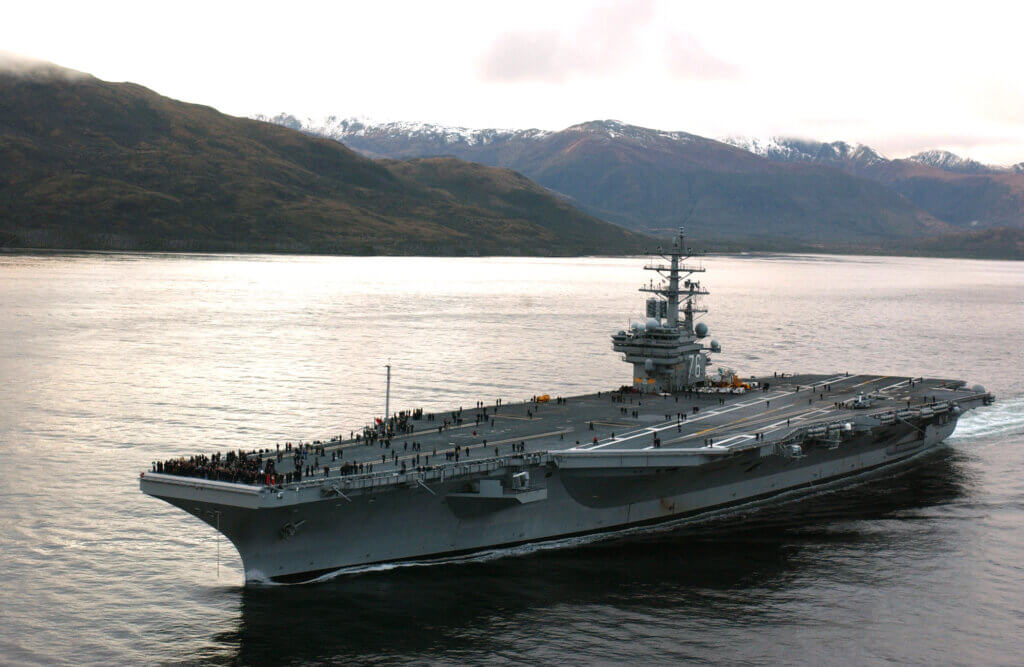
USS Ronald Reagan (CVN 76)

Defending Allies: USS Ronald Reagan’s Mission to Secure the Philippine Sea Amid Rising Tensions

Bill Cullifer, Founder

Recent injuries inflicted on Filipino fishermen by Chinese forces in the shoals underscore the increasing tensions in the Philippine Sea. As these events unfold, the U.S. Navy’s forward-deployed carrier, the USS Ronald Reagan, plays a crucial role in maintaining regional stability and providing a deterrent against potential Chinese aggression.

The Strategic Importance of the USS Ronald Reagan

The USS Ronald Reagan, stationed in the Pacific, is undergoing resupply and refueling to extend its deterrence missions in the Philippine Sea. This action highlights the Pentagon’s commitment to a continued forward presence amid the escalating U.S.-China tensions. The strategic placement of the Reagan ensures that the U.S. can project significant air attack power throughout the region, protecting allies like the Philippines from potential threats.

The Threat of a “Fait Accompli” Scenario

A significant concern is the possibility of a “fait accompli” scenario, where China might quickly annex the Philippines or Taiwan before an allied response can be mobilized. This scenario is particularly worrying given China’s ongoing military maneuvers and blockades of small Philippine fishing boats. Kris Osborn noted, “Operating as a floating city with thousands of sailors and hundreds of attack planes and helicopters, the USS Ronald Reagan is likely having its deployment extended to ensure critical ‘proximity’.”

U.S. Support for the Philippines

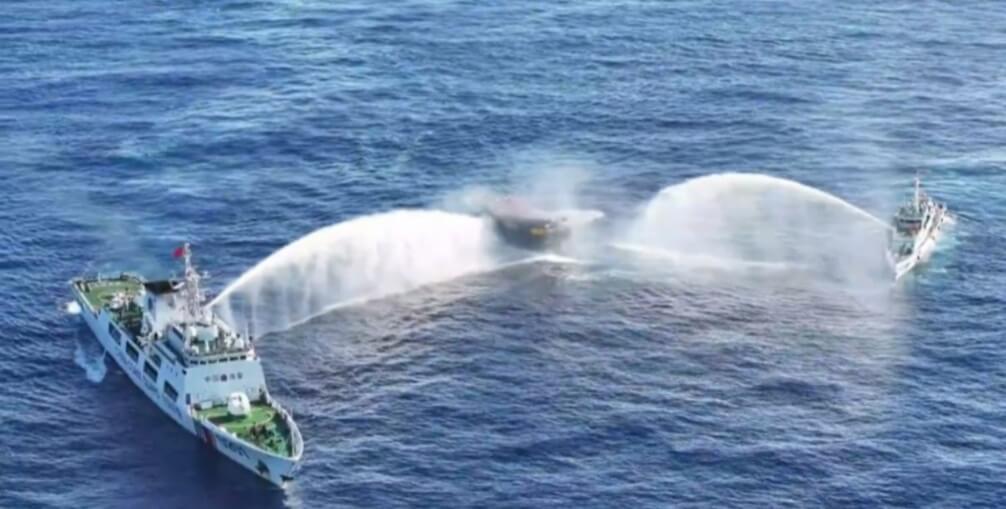
The United States stands with its ally the Philippines and condemns the escalatory and irresponsible actions by the People’s Republic of China (PRC) to deny the Philippines from lawfully delivering humanitarian supplies to service members stationed at the BRP Sierra Madre. Department Spokesperson Matthew Miller stated, “PRC vessels’ dangerous and deliberate use of water cannons, ramming, blocking maneuvers, and towing damaged Philippine vessels endangered the lives of Philippine service members, is reckless, and threatens regional peace and stability.”

The U.S. reaffirms that Article IV of the 1951 United States-Philippines Mutual Defense Treaty extends to armed attacks on Philippine armed forces, public vessels, or aircraft – including those of its Coast Guard – anywhere in the South China Sea. Miller reiterated, “The United States reaffirms that Article IV of the 1951 United States-Philippines Mutual Defense Treaty extends to armed attacks on Philippine armed forces, public vessels, or aircraft – including those of its Coast Guard – anywhere in the South China Sea.”

The Role of Carrier Strike Groups

The Reagan’s ability to deploy 5th-generation aircraft within striking distance of Chinese forces is a key element of the U.S. defense strategy. These aircraft can achieve air supremacy, significantly reducing the effectiveness of any Chinese military operation. The presence of the Reagan also ensures that the U.S. can quickly respond to any sudden moves by China, maintaining a balance of power in the region. Derek Grossman emphasized, “Manila is pressing forward with three other efforts… deepening its alliance with Washington, forging ahead on security drills and agreements with other countries in the region, and adopting a strategy of ‘assertive transparency’ toward Chinese encroachments.”

Commentary

As the founder of Americans for a Stronger Navy, I believe in peace and peace through strength. Diplomacy is essential, but there comes a time when we must draw a line in the sand and take action. I firmly believe that China will continue its aggression and other nefarious deeds until it is stopped. If they want war, then they better be prepared for one. It is crucial for the American public to engage and support the Navy. Internal conflict among ourselves only plays into the hands of our adversaries, which is a tactic straight out of the communist handbook.

Conclusion

The extended deployment of the USS Ronald Reagan in the Philippine Sea is a clear signal of the U.S. commitment to defending its allies and maintaining stability in the region. As tensions continue to rise, the Reagan’s presence is more critical than ever in preventing a potential crisis and ensuring the security of the Philippines.

By reinforcing our naval capabilities and maintaining a robust presence, we can deter aggression and protect the freedoms and security of our allies in the Indo-Pacific region. The injuries sustained by Filipino fishermen and the aggressive actions against the BRP Sierra Madre remind us of the real and present threats posed by Chinese expansionism, and underscore the necessity of a strong and ready U.S. Navy.


Sources:

  1. Osborn, K. (2024, June 17). Defending the Philippines? USS Ronald Reagan Re-Supplied & Extended in Philippine Sea. Warrior Maven.
  2. Miller, M. (2024, June 17). U.S. Support for the Philippines in the South China Sea. U.S. State Department.
  3. Grossman, D. (2024, May 29). How to Respond to China’s Tactics in the South China Sea. Foreign Policy.

China Just Escalated in a BIG Way: A Closer Look at Recent Provocations

Bill Cullifer, Founder

Brent Sadler, a former US Navy Captain, recently shed light on a significant escalation in the South China Sea. For months, China has been interfering with Philippine resupply operations to Second Thomas Shoal, employing tactics such as water cannons, shouldering, and forcefully towing vessels. These aggressive actions have resulted in severe injuries and damage to Philippine vessels.

A Line Drawn in the Sand

The seriousness of these provocations cannot be overstated. Philippine President Ferdinand Marcos Jr. highlighted the gravity of the situation, stating, “If a Filipino citizen was killed by a willful act, that is very close to what we define as an act of war.” Such a statement underscores the potential for these incidents to escalate into a broader conflict.

China’s actions have not gone unnoticed on the international stage. The 2016 international arbitration found China in violation of several articles of the UN Convention on the Law of the Sea, specifically regarding their obligation to settle disputes peacefully, respect the finality and binding force of decisions, and act in good faith.

The Risk of Escalation

The most recent incident, which resulted in severe injury to a Philippine sailor and damage to several vessels, risks triggering the U.S.-Philippines mutual defense treaty. This treaty obligates the U.S. to respond if Philippine forces are attacked, marking a potential serious escalation in the region.

The U.S. must respond forcefully to this provocation to signal the danger of China’s continued actions. Anything less than a clear military signal combined with forceful diplomacy will likely see the cycle of violence continue to escalate.

Details of the Incident

On June 17, 2024, during a resupply mission to the BRP Sierra Madre (LT-57) outpost at Second Thomas Shoal, Chinese Coast Guard vessels 21555 and 21551 used water cannons and dangerous maneuvers to block Philippine vessels. This resulted in severe injuries to a Philippine sailor and significant damage to the vessels involved. This marks the third instance of Philippine personnel being injured by Chinese forces during resupply missions to Second Thomas Shoal.

Despite the severity of the incident, the Philippine government has yet to release detailed imagery or a timeline of events, unlike previous incidents. Meanwhile, Chinese state media justified their actions, blaming the Philippine side for the collision.

International and Domestic Reactions

The Pentagon condemned the Chinese actions, reaffirming support for the Philippines and highlighting the mutual defense treaty that could be invoked in response to these provocations. “We stand with our Philippine allies and condemn the escalatory and irresponsible actions by the PRC,” reads a statement from the Office of the Secretary of Defense.

Philippine government releases have condemned the dangerous maneuvers by Chinese forces, although they have not detailed the extent of the injuries or damage.

A Call for Vigilance

As these tensions escalate, it is crucial for the international community to remain vigilant and responsive to these provocations. The stability of the South China Sea is essential for global commerce and regional security, and unchecked aggression must not be tolerated.

Americans for a Stronger Navy’s Position

China’s recent actions in the South China Sea represent a serious threat to regional stability and international law. We stand firmly with our Philippine allies and urge the United States and the international community to respond decisively to these provocations. The safety of our allies and the security of maritime operations are paramount.

Debunking the USS Eisenhower Damage Claims After Houthi Strike Allegations

Introduction

In the realm of modern conflict, misinformation spreads almost as rapidly as the events themselves. A recent case involves claims by Yemeni Houthi rebels that they successfully struck the U.S. aircraft carrier USS Dwight D. Eisenhower in the Red Sea. These assertions were quickly debunked by multiple sources, yet they highlight the challenge of distinguishing fact from fiction in real-time.

The Allegations

Last Friday, Houthi military spokesperson Yahya Saree announced that missile strikes had targeted the USS Eisenhower. This announcement was followed by a second claim the next day, suggesting a “second targeting operation against the carrier during the past 24 hours” according to Reuters.

Thek Spread of Misinformation

Following these announcements, images began circulating online purporting to show the damage inflicted on the Eisenhower. A notable post on X (formerly Twitter) by user @iAmTheWarax claimed, “CONFIRMED: uss eisenhower (pictured docked for repairs in souda bay) hit and severely damaged by multiple houthi ballistic missiles.” This post included a satellite picture of a docked ship. Another post by @Alhussaini21S, viewed over 2.6 million times, showed what appeared to be an aircraft carrier with a large black mark on its runway.

The Reality

A thorough fact-check by Newsweek dismantled these claims. The images shared were not of the Eisenhower in the Red Sea. One image was of the Russian aircraft carrier Admiral Kuznetsov docked in Murmansk, Russia. The other was a doctored image of the Eisenhower docked in Norfolk, Virginia. The Pentagon confirmed there had been no strikes on the Eisenhower or the Norfolk port.

Further, Chinese satellite images dated June 4 showed the USS Eisenhower moving southward in the Red Sea without any visible damage, reinforcing the Pentagon’s position.

The Broader Context

The conflict between the Houthis and the Saudi-led coalition, supported by the U.S. and the U.K., has been ongoing since 2015. The recent Houthi claims emerged as part of retaliatory actions against strikes conducted by U.S. and U.K. forces on Houthi positions in Yemen.

Despite the assertions of direct hits on the Eisenhower and its escorts, U.S. Central Command reported that all Houthi munitions had been intercepted. No damage or injuries were reported on any U.S. vessel, further debunking the Houthi’s claims.

Conclusion

In an age where misinformation can easily overshadow reality, it is crucial to rely on verified sources and official statements. The false claims regarding the USS Eisenhower underscore the importance of critical evaluation of news, especially during conflicts. The Eisenhower remains operational, continuing its mission in the Red Sea, undeterred by the baseless allegations of damage.

By staying informed through credible sources, we can better navigate the complexities of modern-day conflicts and the accompanying flood of information, both true and false.

A Call for Unity and Urgency: Addressing America’s Security Challenges

In his recent piece, “America Hits the Global Snooze Button” in The Wall Street Journal, Walter Russell Mead, the James Clarke Chace Professor of Foreign Affairs and Humanities at Bard College and a scholar at the Hudson Institute underscores the critical nature of current global threats, echoing a sentiment that I wholeheartedly share. The urgency cannot be overstated: China’s aggressive expansion, Russia’s advances in Ukraine, and Iran’s destabilizing actions in the Middle East constitute a significant and multifaceted threat to global stability. This demands stronger U.S. armed forces to counter these threats effectively.

The situation around Taiwan, the South China Sea and the Philippines exemplifies the complexities we face. China’s assertive territorial claims and militarization of the region threaten not only our allies but also global trade routes. It necessitates a stronger U.S. naval presence and support for regional partners. The Middle East is increasingly volatile and involves contested waters of the eastern Mediterranean, the Red Sea and the Persian Gulf.  The U.S. Navy is the only effective naval force to counter the threats there and it is stretched thin.

Moreover, it is alarming to consider that our defense systems have potentially been compromised, which could be construed as an act of war. Yet, many Americans remain oblivious to these dangers, and who can blame them? After decades of conflict with little to show for it, the American public feels disillusioned, cheated, and exhausted. They see corruption and self-interest within the military-industrial complex and feel that politicians are complicit in perpetuating these issues.

The prevailing sentiment of mistrust extends to the government itself. Some argue for a more isolationist approach, focusing solely on defending our shores, while others, particularly younger generations, feel disenfranchised and disconnected from these geopolitical issues. This disconnect is further exacerbated by a widespread lack of historical knowledge, a consequence of its declining emphasis in our education system.

The threat of Chinese cyberattacks on global infrastructure is a significant concern. Chinese state-sponsored hacking has emerged as a critical global threat, targeting vital infrastructure across multiple nations. Recent reports reveal that Chinese military hackers have infiltrated Japan’s defense networks since 2020, accessing classified information about military capabilities and strategic plans. This breach, discovered by the U.S. National Security Agency, highlights the deep and persistent nature of Chinese cyber espionage. Despite efforts to secure these systems, the continued breaches underscore the sophistication and persistence of Chinese cyber capabilities. Additionally, China-based hackers have targeted U.S. government agencies, including the State and Commerce Departments, and critical sectors like transportation and utilities. These attacks are part of a broader strategy to gain access to sensitive information and disrupt vital infrastructure.

Additionally, recent reports indicate a troubling rise in cyberattacks against our critical infrastructure, including water supplies, by actors linked to China, Russia, and Iran. These cyberattacks do not just target water utilities but extend to other critical infrastructure, telecommunications networks, and security systems. They can disrupt access to essential services, steal intellectual property, and undermine our trade networks. The increasing frequency and sophistication of these attacks pose a significant threat to our national security and economic stability.

While Mead raises valid points about the severity of the threats we face, his politicization of the issue is counterproductive. The truth is, there is ample blame to go around, and what we need now more than ever is education and transparency. Americans deserve to understand the stakes and be assured of the integrity of those advocating for stronger defense measures. This is not a right versus left issue—it’s an American issue that requires a united, all-hands-on-deck approach.

A key mission of Americans for a Stronger Navy is to educate the public about these security challenges and the need for a stronger Navy. By fostering a national dialogue, we can bridge the gap between policymakers and the public, fostering mutual understanding and engagement. It is also crucial to emphasize the need for bipartisan cooperation in addressing these threats. A unified approach is necessary to effectively respond to the complex and evolving global security landscape.

In sum, the threats are indeed formidable, but trust is in short supply. Addressing this requires a commitment to honesty and clarity from our leaders, ensuring that the American public is both informed and engaged in the security decisions that will shape our future.

Thanks for listening.

Bill,
Americans for a Stronger Navy

U.S. Navy Bases Face Growing Threat from Foreign Nationals

Rising Incidents of Unauthorized Access and Espionage

U.S Naval Base Norfolk. VA

The U.S. Navy has been confronting an alarming increase in the number of foreign nationals attempting to access its bases, with incidents occurring two to three times a week. These individuals, often posing as tourists or students, are predominantly Chinese nationals, according to U.S. Fleet Forces Commander Adm. Daryl Caudle. Their frequent unauthorized entries raise significant concerns about national security and espionage.

Recent Arrests and Security Breaches

The most notable incident involved the arrest of a Chinese national at the 29 Palms Marine Corps Base in March. This individual, who had entered the U.S. illegally, bypassed security measures and was eventually detained by military law enforcement before being handed over to Border Patrol agents. This case underscores the persistent and sophisticated nature of these security breaches.

Adm. Caudle emphasized the complexity of discerning the true intentions behind these incursions. While some individuals may genuinely appear to be harmless enthusiasts, the risk of espionage remains high. Two U.S. Navy servicemembers of Chinese origin were recently arrested on espionage charges, further highlighting the gravity of this threat.

U.S. Navy Bases Face Growing Threat from Foreign Nationals

In response to these incidents, the U.S. Navy has intensified its security protocols, involving the Naval Criminal Investigative Service (NCIS) and employing biometric technology whenever possible. Despite these efforts, the sheer volume and persistence of these attempts pose a formidable challenge.

Suspicious drone activities have also been noted as an emerging threat. Commercially available drones, which can be easily acquired, complicate the task of distinguishing between innocent use and potential espionage by foreign entities. The Navy is actively working on enhancing its drone detection and defense capabilities to counter this modern threat.

Implications for National Security

The frequent attempts by foreign nationals to penetrate U.S. military bases underscore a growing and sophisticated espionage effort. The increase in these incidents demands continuous vigilance and advanced security measures to protect sensitive military information and infrastructure.

The U.S. Navy’s proactive stance in addressing these security breaches is crucial in maintaining national security. As these threats evolve, so too must the strategies and technologies employed to counter them. The Navy’s ongoing efforts to enhance base security and develop countermeasures against espionage reflect a critical commitment to safeguarding the nation against foreign threats.

Conclusion

The rising incidents of unauthorized access to U.S. Navy bases by foreign nationals, particularly from China, represent a significant and growing threat. Through enhanced security measures and increased vigilance, the Navy continues to confront these challenges head-on. However, the persistent nature of these attempts calls for continuous innovation and adaptation in security protocols to ensure the protection of national security interests.


Navigational Freedom and National Security: The Importance of the U.S. Navy’s Taiwan Strait Transit

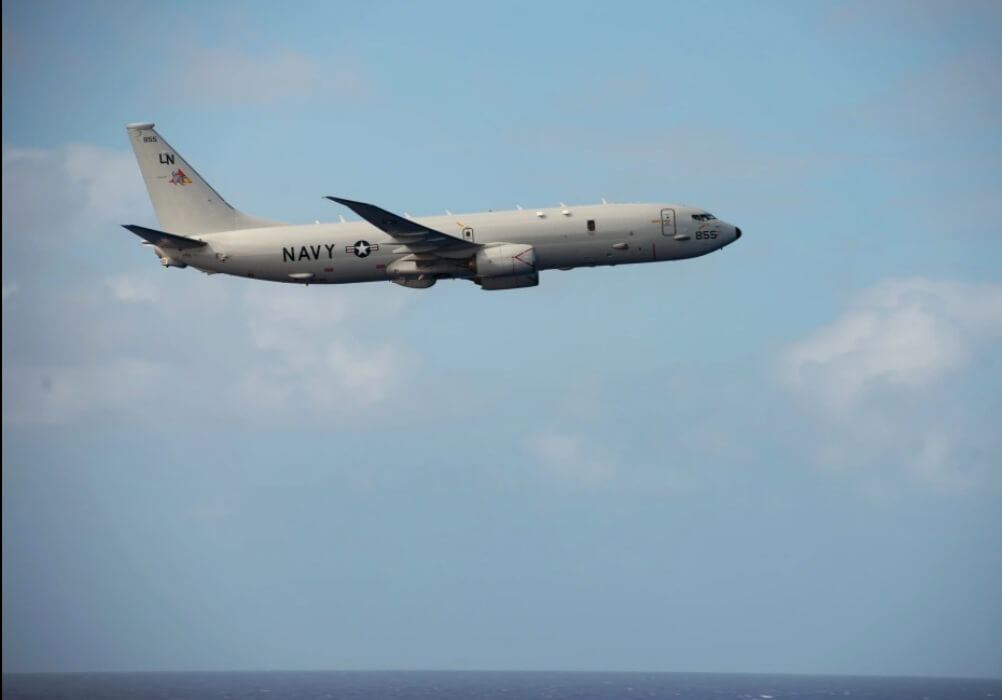
us navy plane


Introduction

The recent flight of a U.S. Navy P-8A Poseidon through the Taiwan Strait not only reaffirms America’s commitment to navigational freedoms but also highlights the strategic importance of U.S. military presence in key international waterways. This operation comes at a critical time, just a day after high-level defense talks between the United States and China, aiming to mitigate tensions in the region.

Why This Matters

The Taiwan Strait is a vital gateway between the South and East China Seas, making it a focal point of international trade and military strategy. Despite being international waters, China views the transit of foreign military vessels and aircraft through the strait as a challenge to its claims over Taiwan. The U.S. Navy’s actions demonstrate a clear stance on upholding international law and ensuring that these waters remain open to all, a principle that is fundamental to global security and economic stability.

Why America Should Care

As a global leader, the United States has a vested interest in maintaining free and open access to the world’s maritime routes. The freedom of navigation operations (FONOPs) conducted by the U.S. Navy in the Taiwan Strait serve as a deterrence against aggressive territorial claims that threaten to undermine international norms and the global order. These operations also reassure U.S. allies and partners in the region of America’s commitment to security and stability.

Implications for the Navy

Continued operations in the Taiwan Strait are essential for the U.S. Navy in several ways. Strategically, they provide vital reconnaissance and maintain a U.S. presence in key areas, potentially deterring hostile or militaristic actions. Operationally, these missions enhance the Navy’s ability to operate in contested environments, ensuring readiness and capability in response to any regional crises. Politically, they reinforce the U.S. stance on international laws governing maritime navigation, supporting global maritime security.

Conclusion

The transit of the U.S. Navy through the Taiwan Strait is a clear signal of America’s enduring commitment to protecting navigational rights and freedoms for all nations. This operation not only supports international law but also underscores the crucial role of naval power in achieving U.S. strategic objectives. As tensions continue to manifest in the Asia-Pacific, the strength and presence of the U.S. Navy remain key to maintaining a balance in the region, ensuring that the seas remain open and free for all. Through steadfast and visible actions like these, the U.S. Navy not only defends its own national security interests but also upholds those of the free world.


Charting the Course: Steering Through Rising Tides – The Imperative for Strategic Vigilance

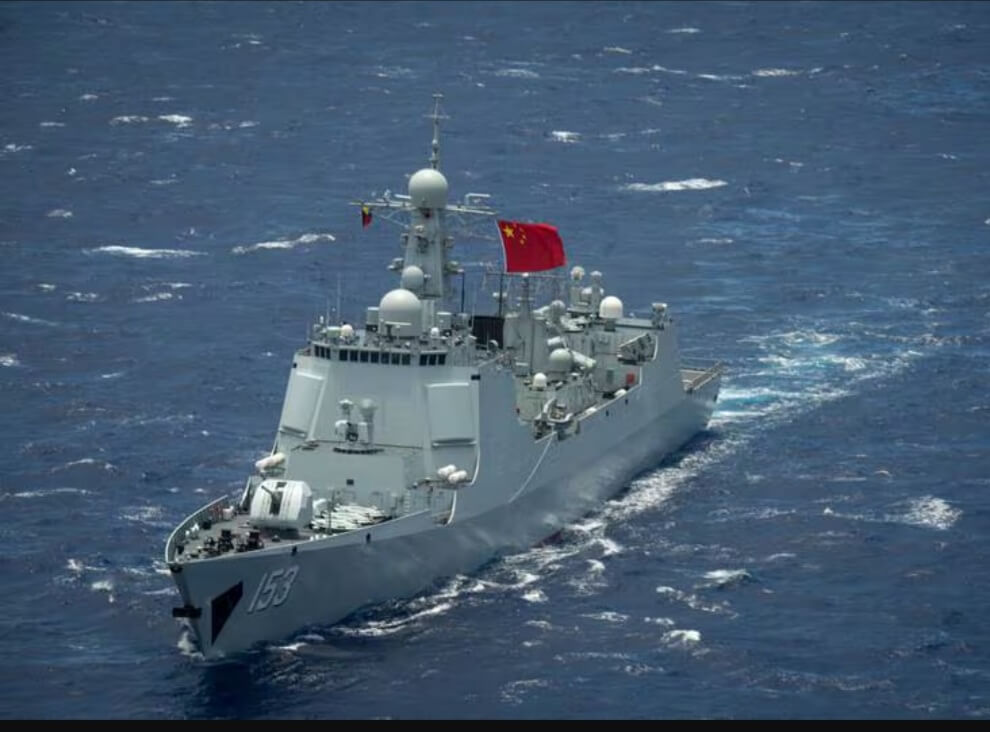
Chineese Navy guided-missile destroyer Xian – USNavy

Introduction:

In our ongoing series “Charting the Course: Navigating the Future of U.S. Naval Power in the Face of Chinese Challenges,” we continue to unravel the intricate tapestry of geopolitical maneuvers and military posturing that defines the current state of affairs in the Indo-Pacific region.

Last week, we laid the groundwork by examining the overarching themes of China’s maritime ambitions and their implications for global maritime security.

This week, we delve deeper into recent developments that further underscore the urgency and complexity of the challenges at hand.

Building upon our previous discussions, this installment aims to shed light on the escalating tensions in the South China Sea, particularly through the lens of a recent incident involving the Chinese coast guard and a Taiwanese tourist boat, as well as the broader implications of China’s unprecedented military buildup.

Join us as we navigate these turbulent waters, seeking pathways toward strategic vigilance and collaborative security in an increasingly contested domain.

Recent Developments and Escalating Tensions: A concerning incident reported by Reuters on February 19, 2024, involved Chinese coast guard personnel boarding a Taiwanese tourist boat near the Taiwan-controlled Kinmen islands. This escalation, following China’s announcement to strengthen law enforcement activity in the area, highlights the growing tensions near these frontline islands. The Taiwanese coast guard’s response, calling for peace and rationality, reflects the precarious balance in the region (“China coast guard boarded Taiwanese boat near frontline islands, Taiwan says,” Reuters, by Yimou Lee and Ben Blanchard).

Simultaneously, the rapid military buildup by China, described by U.S. Navy Adm. John Aquilino as unprecedented since World War II, brings into sharp focus the strategic timeline that China might be operating under. Aquilino’s warning, as reported by Matthew Loh in Insider on March 20, 2024, that China could be ready to invade Taiwan by 2027, demands a reassessment of strategic priorities and preparedness measures (“China is building its military on a ‘scale not seen since WWII’ and is on track to be able to invade Taiwan by 2027: US admiral,” Insider).

Implications for the Navy: These developments highlight the imperative for the U.S. Navy to enhance its strategic readiness and adaptability. The prospect of increased confrontations in the South China Sea, combined with the looming possibility of a more significant conflict over Taiwan, necessitates a robust and forward-looking naval strategy. This strategy must account for the multifaceted nature of modern warfare, encompassing not just traditional military capabilities but also cyber, space, and information domains.

The Role of Alliances and Diplomacy: In navigating these turbulent waters, the strength and cohesion of international alliances have never been more critical. Diplomatic efforts must be intensified to de-escalate tensions, promote conflict resolution, and ensure the freedom of navigation in international waters. Building on shared values and mutual security interests, the U.S. must work closely with its allies and partners in the Indo-Pacific to present a united front against unilateral actions that undermine regional stability and international norms.

Advocating for Preparedness and Diplomatic Engagement: As tensions rise, “Americans for a Stronger Navy” advocates for a dual approach that emphasizes both preparedness and diplomatic engagement. Increased investment in the Navy, aimed at ensuring readiness for any contingency, must go hand in hand with a renewed commitment to diplomacy and international cooperation. By fostering open dialogue and collaborative security initiatives, we can work towards a future where peace and stability prevail in the Indo-Pacific and beyond.

Conclusion: The incident near the Kinmen islands and China’s pronounced military buildup serve as stark reminders of the evolving security landscape in the South China Sea and the broader Indo-Pacific region. As we continue to chart our course through these challenging waters, a balanced approach that prioritizes strategic readiness, reinforced alliances, and diplomatic efforts will be essential in safeguarding the principles of freedom and stability that underpin global maritime security.


Charting the Course: Navigating the Future of U.S. Naval Power in the Face of Chinese Challenges

Chineese Navy guided-missile destroyer Xian – USNavy

lntroduction

In the “Charting the Course – Navigating the Future of Naval Power” series, we turn our attention to a pressing concern that has significant implications for global security and naval strategy: the potential risks posed by China’s growing assertiveness. Today, we delve into insights from leading experts and military officials who shed light on China’s strategic maneuvers and their impact on the future of naval power.

Why This Matters

The evolving dynamics of global power, particularly China’s ambitious geopolitical agenda, present complex challenges that demand careful consideration and strategic foresight. Understanding these challenges is crucial for formulating robust defense strategies that ensure peace, promote diplomacy, and maintain the freedom of the seas.

Implications for the Navy

The potential for conflict with China, particularly concerning Taiwan and the South China Sea, underscores the need for a well-prepared and resilient naval force. The insights from military leaders, such as Gen. Mike Minihan’s stark prediction of a possible war with China in 2025, highlight the urgency of readiness and the importance of strategic clarity in the face of emerging threats.

Escalating Tensions and Provocative Rhetoric: A Case in Point

As we navigate the intricate challenges posed by China’s strategic ambitions, specific instances underscore the need for vigilance and strategic prudence. A recent example is the provocative suggestion by Col. Dai Xu, a senior Chinese Air Force official, advocating for aggressive tactics against U.S. warships operating in the South China Sea, a region where Beijing asserts expansive territorial claims. During a panel discussion, Col. Dai proposed that in response to U.S. freedom of navigation operations, which challenge China’s claims, Chinese warships should not only intercept but also consider ramming U.S. vessels to deter their presence in these contested waters.

This rhetoric, though reflective of nationalist sentiments, is significant given Col. Dai’s position within the Chinese military and the publication of his remarks by state-controlled media, suggesting a level of endorsement or at least, tolerance by the Chinese government. Such statements, coupled with the ongoing militarization of the South China Sea by China, exemplify the type of confrontational posture that complicates diplomatic efforts and emphasizes the importance of a well-prepared naval force capable of ensuring peace and stability in international waters.

Moreover, Col. Dai’s hawkish stance extends to Taiwan, highlighting the potential for escalated tensions that could have broader implications for regional and even global security. The suggestion of forced reunification with Taiwan, regardless of economic consequences, adds another layer of complexity to the strategic landscape the U.S. Navy and its allies must navigate.

Advocating for Peace, Diplomacy, and Preparedness

In light of such developments, “Americans for a Stronger Navy” reiterates its commitment to advocating for peace and diplomacy as the cornerstone of international relations. We recognize that while diplomatic efforts are paramount, the realities on the ground — exemplified by the rhetoric and actions of figures like Col. Dai Xu — necessitate a posture of readiness and strategic foresight.

Expert Perspectives

  • In “Are China and the Philippines on a Collision Course?” from the United States Institute of Peace, authors Dean Cheng, Carla Freeman, Ph.D., Brian Harding, and Andrew Scobell, Ph.D., explore the escalating tensions in the South China Sea. They emphasize the need for a strong naval presence to deter aggression and maintain regional stability.
  • “How Primed for War Is China?” by Michael Beckley and Hal Brands in Foreign Policy examines the likelihood of China initiating conflict, particularly over Taiwan. They argue that risk indicators for such a conflict are alarmingly evident, necessitating a vigilant and prepared naval response.
  • Kyle Bass, in his CNBC piece “China hawk says Beijing could attack Taiwan by 2024, bringing ‘war to the West’,” discusses the potential for China to assert control over Taiwan by force. Bass’s insights underscore the strategic importance of naval power in deterring aggression and protecting democratic values.
  • The insights from Col Grant Newsham (Retd.) in “Friends of China have huge influence on Capitol Hill: Grant Newsham” published in The Sunday Guardian, delve into the multifaceted nature of China’s strategy, including political warfare and economic leverage. Newsham’s analysis reveals the depth of China’s influence and the critical need for a unified and strategic response to safeguard national and global interests.

Advocating for Peace, Diplomacy, and Preparedness

While we steadfastly support the principles of peace and diplomacy, the realities of the current geopolitical landscape necessitate a posture of preparedness. We advocate for increased investment in the Navy, not as a means to provoke conflict but as a vital component of a comprehensive strategy to deter aggression, support diplomatic efforts, and uphold international law. This balanced approach ensures that our naval forces remain capable guardians of peace and stability in an increasingly uncertain world.

Conclusion

As we navigate the challenges posed by China’s strategic ambitions, the insights from esteemed experts and military officials provide valuable guidance. Through informed dialogue and strategic investment in our naval capabilities, we can chart a course toward a future where peace, freedom, and security prevail. Engaging with these complex issues is not only a matter of national security but a commitment to the principles that define us as a nation and a global community.